Bremen Port Development and Transport Infrastructure: An Analysis of the April 2026 Decisions
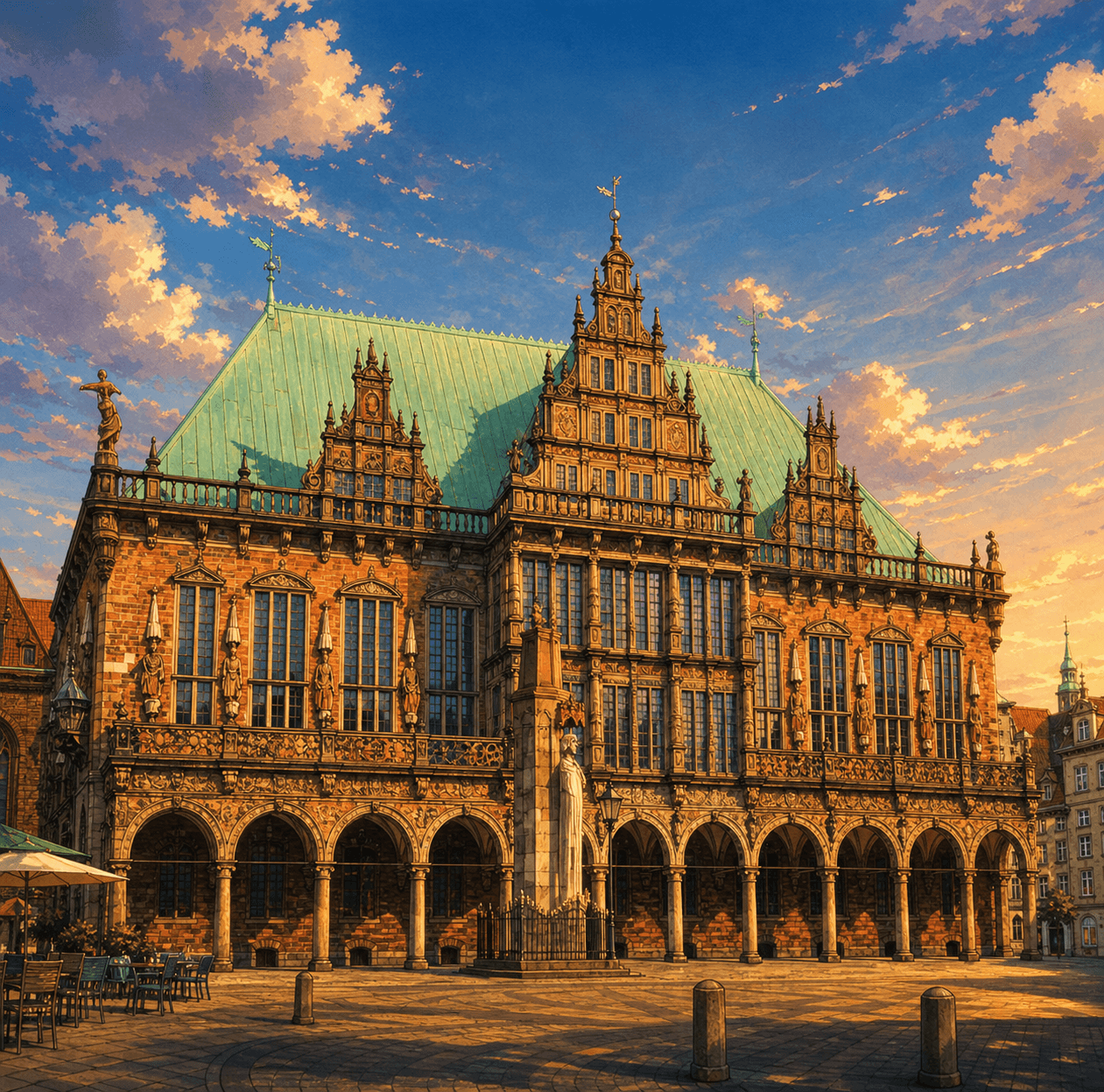
In April 2026, Bremen took decisive steps in port development, digitization, climate protection, and transport infrastructure. The city plans investments of 130 million euros, promotes climate-neutral technologies, and supports digital training in the port economy. At the same time, challenges in transport planning and infrastructure are highlighted.
Bremen Port Development and Transport Infrastructure: An Analysis of the April 2026 Decisions
The port city of Bremen has long established itself as a central hub for international freight traffic and logistics. In April 2026, the city set new priorities in port development, digitization, and transport planning through a series of decisions and projects. These measures are not only of great economic significance but also a key contribution to achieving climate protection goals and ensuring the long-term viability of Bremen's infrastructure.
Port Development: Investments and Competitiveness
The Bremen port is a central economic engine. In April 2026, comprehensive investment plans were presented to ensure the port remains competitive until 2035. With a total investment volume of 130 million euros, the quay and railway track infrastructure will be renovated. These measures are necessary as the current condition of the port infrastructure is already causing operational restrictions.
Another central project is the deepening of the Weser River, which is being significantly advanced in the planning approval process for 2026. The goal is to make navigation on the Weser accessible to modern, larger freight ships. The documents for the planning approval process will be submitted in June 2026, securing Bremerhaven's long-term competitive advantage in the international port competition.
At the same time, the port of Bremerhaven will be further developed through the EU-wide tender for terminal services in the coming years. With a decision period until the end of 2026, the port is being prepared for modern requirements, especially in terms of container handling and general cargo traffic.
Climate Protection and Innovation: Climate-Neutral Port Tugboats
Another highlight of the April sessions was the project "Climate-Neutral Port Tugboats," carried out within the Interreg project "North Sea Hydrogen Valley Ports." The aim is to develop propulsion concepts such as hydrogen, ammonia, methanol, fuel cells, and batteries for port tugs. With a budget of up to 210,000 euros, of which 54 percent come from European funds, the study will be conducted until September 2026. The project is part of Bremen's Climate Protection Action Plan and aims for CO₂ neutrality in the Bremen ports by 2035.
These measures are not only a step toward sustainability but also a technological response to the challenges of the global energy transition in the maritime sector. The integration of climate-neutral propulsion technologies is a key factor for the long-term viability of the port economy in Bremen.
Digitization and Education: PortSkill 4.0 and PortKIDialog+2035
Digitization of the port economy is another central aspect of the April decisions. The PortSkill 4.0 project, funded by the German Federal Ministry of Transport (BMV), aims to develop digital and practical training modules for port employees. The container crane simulator, already used by around 120 employees, is an example of the practical applications of this initiative.
Another project, PortKIDialog+2035, examines socially acceptable uses of AI in the port economy. Questions of human-machine interaction and support for change in the world of work are in the foreground. The study is also funded by the BMV and is a key component for adapting port work to the digital future.
Transport Infrastructure: Challenges and Investments
In addition to port development, investments in urban transport infrastructure were also in focus. Three measures were approved in the investment fast-track program: the new construction of the BGM-Smidt Bridge, the cycle premium route D.15 (Steffensweg), and the barrier-free expansion of stations. These projects are part of Bremen's Climate Protection Program and aim to make mobility in the city more climate-friendly and accessible.
A central point was also the renovation of the bascule bridge between Kaiserhafen and Neuer Hafen, which was closed due to weld seam cracks. The repair work is causing traffic disruptions, and communication about these measures is being critically assessed.
Conclusion: A City in Transition
The decisions from April 2026 show that Bremen is consciously aligning itself with a future-ready port and transport structure. Investments in modern port infrastructure, the promotion of climate-neutral propulsion technologies, and the digitization of the port economy are necessary steps to secure the city’s competitiveness in the international context. At the same time, challenges in transport planning and infrastructure are evident and must be intensively addressed in the coming years.
Bremen is not only facing the challenge of maintaining itself as a port location but also as a pioneer in sustainability and digitization. The coming months will show whether the planned measures are feasible in practice and whether they will actually bring about the desired changes in Bremen's port and transport landscape.
NeoSearch analyses public council documents, committee minutes and municipal announcements. Source references appear automatically once verified meeting data is available.
What does this mean for businesses?
Urban development, zoning plans and commercial settlements create early construction and supply opportunities. Following council decisions reveals projects before they go to tender.
Track similar decisions in your region
Set up monitoring for economic development in Bremen — prefilled from this article.
Set up monitoring →More signals from Bremen
Bremen's Childcare in Focus: Play Groups, Kindergartens, and Infrastructure in April 2026
In April 2026, Bremen made key decisions regarding its childcare system. The debate over the future of educational play groups, the planning of new kindergartens, and the renovation of school toilets reflect the challenges and priorities of Bremen's child and education policy. This deep dive analyzes the background, conflicts, and possible future perspectives.
Read more → Bremen's Healthcare System in April 2026: Staff Shortages, Drug Support, and Integration in Focus
In April 2026, Bremen saw key developments in health policy: staffing shortages in pediatric surgery, the expansion of drug support, and the integration of elderly migrants. We analyze the background, decisions, and implications.
Read more → Sport Infrastructure in Bremen 2026: Renovations, Funding, and Future Visions
In April 2026, Bremen took a decisive step in the development of its urban sports infrastructure. Numerous renovation projects, new funding programs, and a broad debate about the future of swimming pools show how much priority is being given to urban development and the promotion of physical activity.
Read more →