**Bestensee: Urban Development and Construction in April 2026 – Housing, Green Spaces and Compensation**
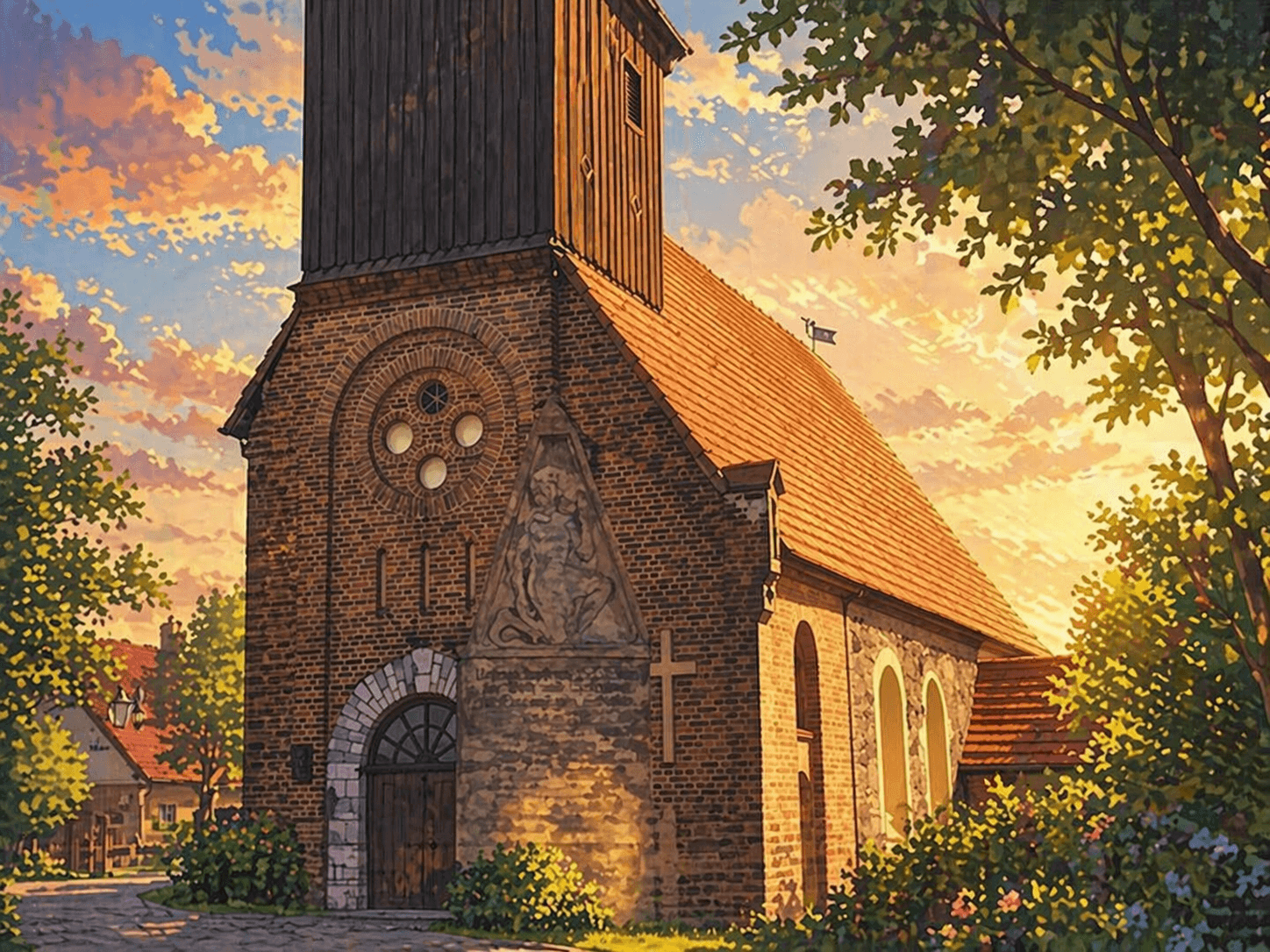
In April 2026, Bestensee set another milestone in urban development with the approval of the preliminary draft of the zoning plan "Living and Recreation at the Old Nursery." The focus was on sustainable housing, landscape protection, and compensation measures. An overview of the key decisions and background.
Living with Green – The New Zoning Plan for Bestensee
In April 2026, Bestensee made key decisions in the field of urban development and construction planning. The preliminary draft of the project-specific zoning plan "Living and Recreation at the Old Nursery" was approved and put into public display. With this plan, the city aims to realize a new housing development with strong integration of green spaces – a step that pursues both social and ecological goals.
The area of approximately 3.7 hectares within the municipal boundaries of Bestensee, Flur 002, will become a General Residential Area, which may also accommodate shops, religious, cultural, and social facilities. A central aspect is the creation of recreational gardens, which serve not only as places for relaxation but also as part of landscape protection measures.
Landscape Protection as a Central Planning Factor
Since the planning area is located in the Landscape Protection Area Teupitz-Köriser Seengebiet, a comprehensive environmental review in accordance with § 2 (4) and § 2a of the German Building Code (BauGB) was required. In this process, various habitat types, such as "Weekend Housing with Trees" and "Garden Fallow Areas," were identified. To ensure ecological compensation, compensation measures were defined, including the planting of ten trees as part of the construction project "Seestraße West."
In addition, the groundwater recharge and stormwater management are central. According to § 54 of the Brandenburg Water Resources Act (BbgWG), percolation on the properties is permitted, thereby reducing the inflow of rainwater into the sewage system. Two climate compensation areas within the planning area will also serve as green lungs for the new residential district.
Infrastructure and Access – Challenges and Solutions
The access to the new residential area is clearly regulated both technically and legally. The external access is ensured via existing streets such as Neue Straße, the State Road L743, as well as the federal highways B246 and B179. The Bestensee Train Station is also integrated into the accessibility plan.
For the internal access, a private traffic area is planned. Power and drinking water lines are in place, while a central sewage disposal system is not yet available. To prevent fire hazards, two fire hydrant connections are planned. Moreover, all buildings must be accessible in accordance with § 5 BbgBO, which is crucial for the planning of access routes and traffic areas.
Land Use Balance – A Balance Between Housing and Green Spaces
The land use balance of the zoning plan shows a clearly structured picture: 10,835 m² General Residential Area, 2,875 m² Special Area for Administration and 18,756 m² Green Area. The maximum floor area ratio is set at 0.4 in the residential and administrative area and 0.2 in the green area, allowing for a dense but not overloaded development.
The maximum floor area per plot is 200 m² in the residential and administrative area and 50 m² in the green area. The focus is thus deliberately on smaller, nature-friendly plots, which are to be designed as individual houses in open construction. Garages and carports on green areas are not permitted, which underlines the character of the recreational gardens.
The Role of Politics and Municipal Financing
In April 2026, concrete construction planning was not the only focus, but also financial questions and infrastructure projects. Thus, the AfD faction requested funds from the federal special fund "Infrastructure and Climate Neutrality" in the amount of 3.88 million euros. Proposed measures included photovoltaics on parking lots and buildings, charging stations, and energy renovation measures.
The distribution of savings is very specific: 25% for debt reduction, 25% for associations, 25% for kindergartens and schools, and 25% for social projects. The Volunteer Fire Department is to receive an additional 75,000 euros annually for equipment and buildings.
Conclusion – A Step Toward Sustainable Urban Development
Bestensee is moving in 2026 in the tension between housing shortages, landscape protection, and climate protection. The zoning plan "Living and Recreation at the Old Nursery" shows that it is possible to combine sustainable housing development with ecological compensation measures. The financial applications and projects in the areas of climate protection and infrastructure underline that Bestensee remains active on multiple levels.
In the coming months, the focus will be on the implementation of the planning and public participation. The Urban Development Agreement, the legal conclusion of the procedure, and the costs borne by the property owners are decisive factors for the success of the project. Bestensee has a clear plan – now it is a matter of implementation.
NeoSearch analyses public council documents, committee minutes and municipal announcements. Source references appear automatically once verified meeting data is available.
What does this mean for businesses?
Urban development, zoning plans and commercial settlements create early construction and supply opportunities. Following council decisions reveals projects before they go to tender.
Track similar decisions in your region
Set up monitoring for economic development in Brandenburg — prefilled from this article.
Set up monitoring →More signals from Bestensee
Bestensee: Adjustment of Meal Allowance in Kindergartens and Primary Schools from July 2026
In April 2026, the municipality of Bestensee decided on key changes to the kindergarten regulations affecting the subsidy for lunch for children in kindergartens and primary schools. The reform is part of a comprehensive adjustment to rising costs and new legal requirements.
Read more → Energy Offensive in Bestensee: How the Municipality is Redefining Electricity, Climate, and Finances
In April 2026, the municipality of Bestensee is placing stronger emphasis on renewable energies, renovations, and intelligent land use. With investments from federal funds and a clear distribution logic for savings, Bestensee is showing the way toward an energy-independent future.
Read more → Consolidated Budget 2026: How Bestensee Remains Financially Stable
The 2026 budget of the municipality of Bestensee demonstrates solid financial planning with an overall result of nearly one million euros. The municipality relies on tax revenues, investments in infrastructure and climate protection, as well as long-term budget planning. The following article analyzes the key aspects of the budget planning.
Read more →