Urban Development in Spandau: Focus on Sustainability, Renovation, and Neighborhood Development
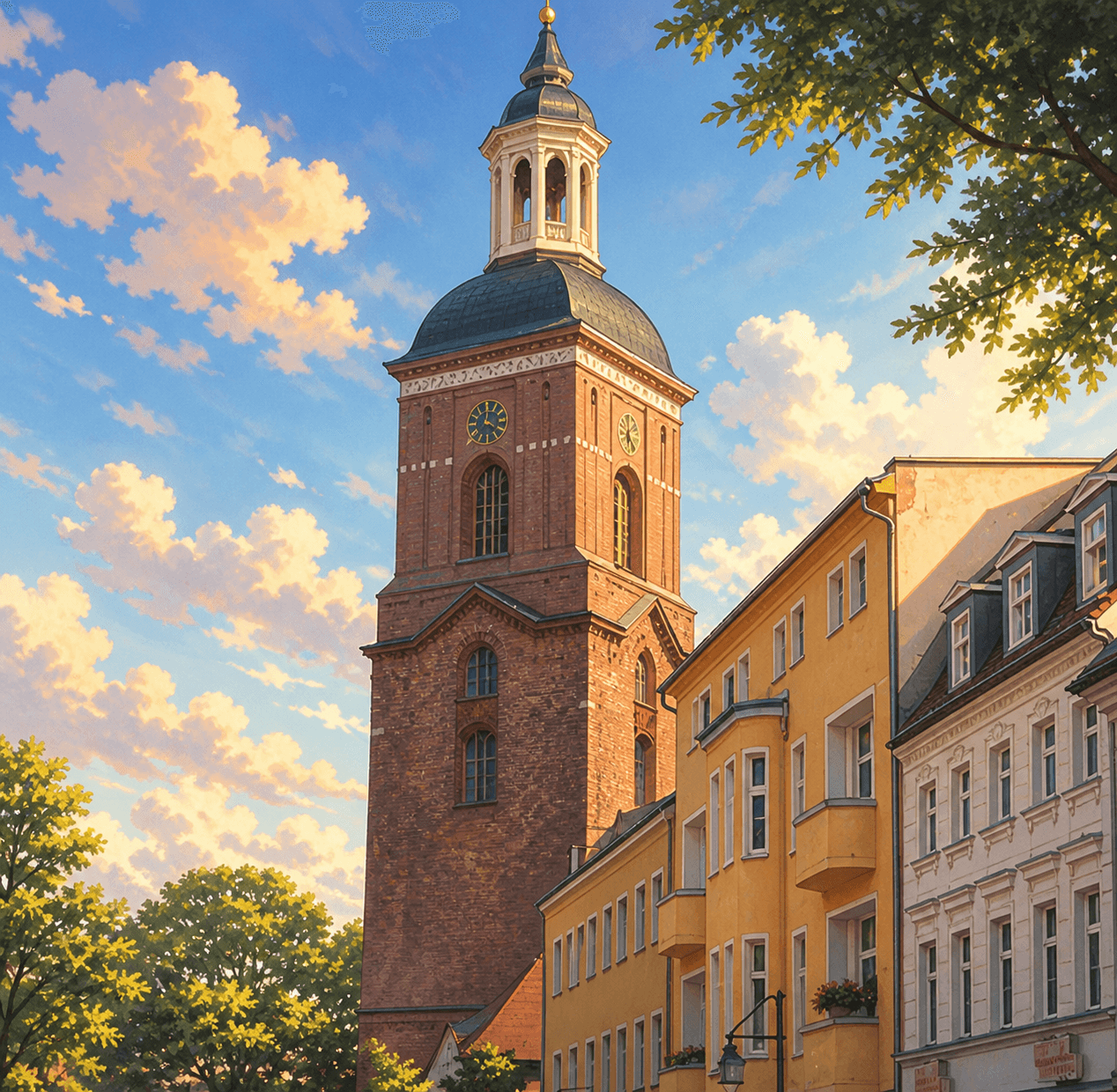
In January 2026, several key topics of urban development were in focus in Spandau, ranging from the implementation of urban planning competitions to renovation measures and climate-friendly construction. This blog analyzes the most important decisions and debates.
Important Decisions in January 2026
In January 2026, the District Council of Spandau engaged intensively with central topics of urban development. Particularly noteworthy were the discussions on climate-friendly construction measures, the renovation of the large Heerstraße Nord housing estate, and the redesign of the train station forecourt. These topics reflect the broad challenges currently facing urban development: sustainability, social justice, and improved quality of life for all residents.
Climate-Friendly Construction: Advisory Services in Focus
In January 2026, a report on advisory services for climate-friendly construction was presented during the public session of the Urban Development Committee. The motion submitted by the Bündnis '90/Die Grünen' faction calls for a systematic expansion of these services in order to better inform prospective builders about energy standards, funding programs, and sustainability measures.
The current situation shows that many prospective builders are uncertain about how to implement their projects in an energy-efficient and climate-friendly manner. In addition, bureaucratic hurdles complicate comprehensive implementation. The motion aims to close these gaps and create a clear, binding advisory structure. The connection to funding programs such as the "Sustainable Renewal" program is of central importance.
Renovation of the Heerstraße Nord Housing Estate: Necessity and Priority
The discussion on the renovation of the Heerstraße Nord housing estate is another central topic. It concerns urgent structural issues, particularly with elevators, which significantly affect the quality of life for residents. People with mobility impairments are especially affected, which is why the renovation is considered urgent from a social policy perspective.
The motion calls for a concrete action plan and binding timelines to prioritize the renovation needs outlined in the Integrated Action and Development Concept (IHEK) 2022–2025. In addition, it calls for an examination of whether additional funding can be used. The current version of the motion was created on 13.01.2026, showing that the topic remains in discussion and is being further developed at the political level.
Train Station Forecourt: Urban Planning Competition as a Central Step
The train station forecourt at Spandau Main Station is a location considered as a junction between the city and the railway. In January 2026, the implementation of an urban planning competition was in focus here. The motion submitted by the SPD faction was introduced on 24.09.2025 and, after amendments, approved by the responsible committee on 09.12.2025. The Urban Development Committee was entrusted with decision-making authority and advised on 27.01.2026.
The train station forecourt exhibits traffic-related and user-relevant weaknesses. The goal of the competition is to eliminate these weaknesses and make the square more accessible and attractive for a wider range of users. The competition is a crucial step in developing forward-looking urban planning concepts that take into account both the needs of local residents and regional transport.
Outlook: Urban Development as a Process of Transformation
The discussions and decisions in January 2026 show how complex the challenges of urban development in Spandau are. On the one hand, it is about specific renovation measures and the implementation of funding programs; on the other hand, it is about long-term concepts such as urban planning competitions and advisory services. These topics are linked by the goal of creating a sustainable, socially just, and livable city.
The current dynamics in the committees and the District Council indicate that Spandau will take a decisive step in transforming its urban structure in 2026. However, the implementation of the approved projects will also strongly depend on coordination with the responsible housing companies and property owners. This is a central challenge – but also an opportunity for forward-looking urban development.
NeoSearch analyses public council documents, committee minutes and municipal announcements. Source references appear automatically once verified meeting data is available.
What does this mean for businesses?
Town halls, fire stations, depots and administrative buildings create early construction and refurbishment opportunities. Following council agendas reveals projects before they go to tender.
Track similar decisions in your region
Set up monitoring for public buildings & administration in Berlin — prefilled from this article.
Set up monitoring →More signals from Berlin
Culture and Community in Treptow-Köpenick: Highlights for April 2026
In April 2026, Treptow-Köpenick focused on key decisions and initiatives in the areas of culture and community. The Committee for Adult Education and Culture approved several projects, including support for festivals and cultural association activities.
Read more → Education and Public Facilities in Treptow-Köpenick: Focus on School Commute Safety and Classroom Air Quality
In April 2026, two central topics for educational policy were at the center of attention in Treptow-Köpenick: the safety of the school commute and air quality in classrooms. The District Council's Education Committee discussed concrete measures that take both health and educational aspects into account.
Read more → Homeless and People on the Water: Social Support and Democratic Participation in Treptow-Köpenick
In April 2026, the district of Treptow-Köpenick made key decisions regarding social support for homeless individuals and the promotion of democratic participation. The focus was on the situation of people living on boats and rafts as well as the creation of low-threshold support services.
Read more →