Mobility Policy in Spandau: Focus on Safety, Accessibility, and Climate Impacts
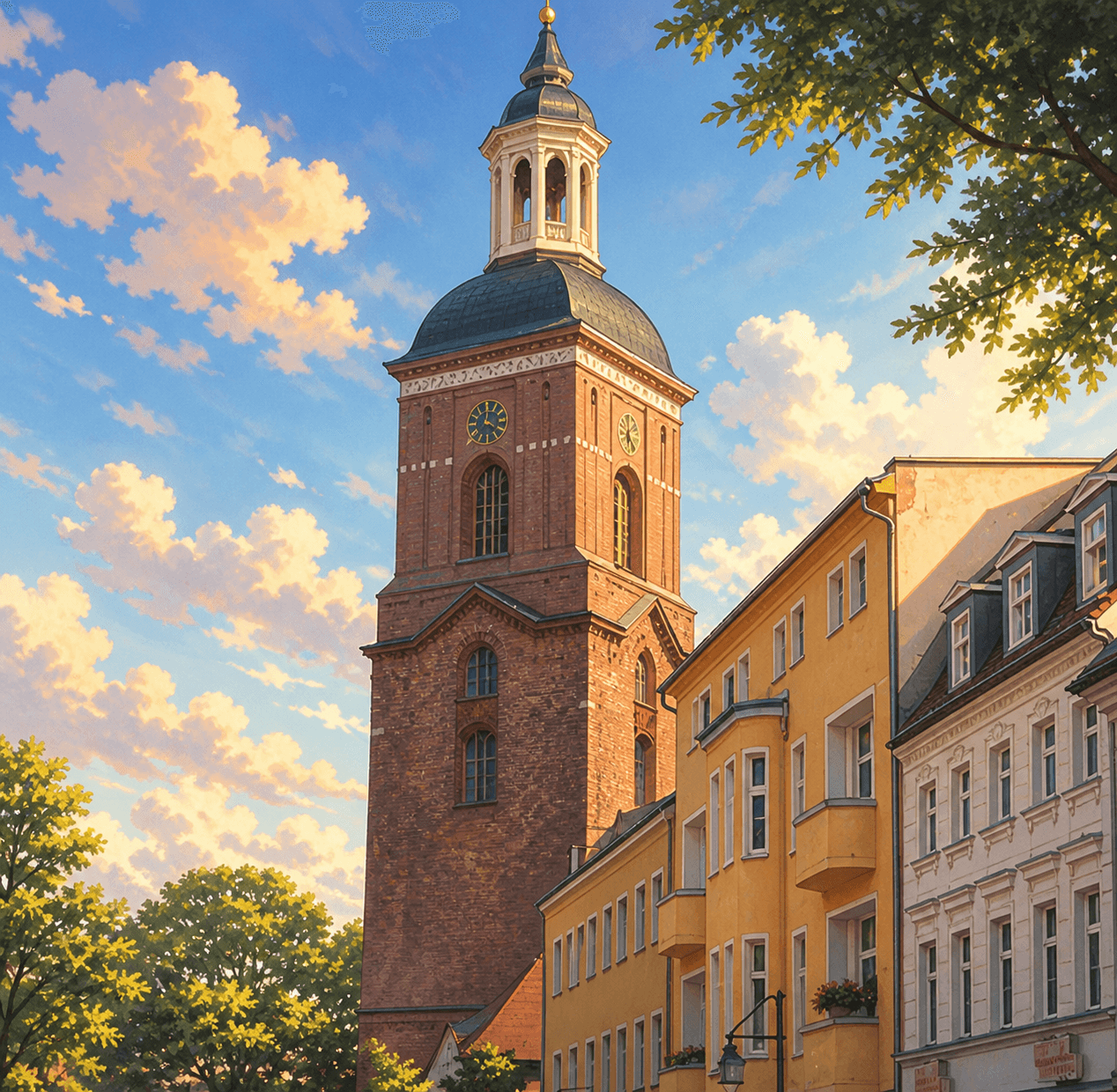
In January 2026, numerous proposals aimed at improving road safety, optimizing public transport connections, and adapting to climate change were central to political debate in Spandau. An overview of the most important decisions and discussions.
Safety on the School Route: A Central Topic
In January 2026, the safety of students and parents on their way to school was the focus of several political proposals in Spandau. In particular, the AfD parliamentary group advocated for improved road safety in the winter, for example, through better coordination with snow removal services and faster reporting mechanisms for hazardous areas. In practice, this means that icy sidewalks that lead to falls should be cleared more quickly. Additionally, concrete improvements at school locations such as Weiden- and Wiesenweg were decided, including bollards, zebra crossings, and barrier-free bus stops. These measures aim to calm traffic flow and optimize accessibility for pedestrians.
Public Transport Improvements for the Police Academy and Commuters
Another focal point was the optimization of public transport connections, especially at the Spandau Police Academy. The AfD parliamentary group called for an increase in the frequency of the Metrobus line M45 and for a stop of the express bus line X37 at the "Polizeidirektion 2" station. The goal is to reduce parking pressure and improve accessibility for police trainees and staff. In addition, a proposal to establish bus stop bays on several streets (Ritterfelddamm, Kladower Damm) was adopted in order to reduce traffic bottlenecks and increase safety for pedestrians and bus users.
Climate Adaptation: "Cool Spots" and Heat Stress
In addition to safety on the way to school or work, climate adaptation was also discussed. A unanimously approved proposal by the SPD parliamentary group provides for the establishment of "Cool Spots" along heavily used cycling and pedestrian paths. These are to serve as cooling rest areas with drinking water, shade, and places to stay. The measure is part of the strategy to reduce heat stress in the city and is also intended to be enabled through citizen participation and funding. The Spandau district wants to respond to rising temperatures and make public space more usable for everyone.
Critical Infrastructure and Crisis Preparedness
Although the topic of safety is not directly part of mobility policy, a proposal to use the nationwide vehicle inspection day as a stress test for critical infrastructure shows how closely traffic, electricity supply, and communication networks are interlinked. The proposal, supported by several parliamentary groups, calls for mandatory tests of electricity and emergency power supply, communication channels, and health care networks. In addition, a central information page is proposed that would provide clear action recommendations in the event of a crisis. This is particularly relevant for Spandau, as the accessibility via transport routes often depends on digital systems.
Outlook: Mobility in Spandau in 2026
The political decisions in Spandau show that mobility is more than just traffic. It encompasses safety, accessibility, climate adaptation, and crisis preparedness. The proposals of the past weeks highlight how complex the challenges are—from optimizing public transport connections to setting up chill-out zones in public space. In the coming months, it will be important to see which measures are implemented and to what extent coordination between the district office, BVG, police, and other stakeholders can be improved. For Spandau, another exciting decade is ahead, in which mobility will be shaped by safety, sustainability, and innovation.
NeoSearch analyses public council documents, committee minutes and municipal announcements. Source references appear automatically once verified meeting data is available.
What does this mean for businesses?
Urban development, zoning plans and commercial settlements create early construction and supply opportunities. Following council decisions reveals projects before they go to tender.
Track similar decisions in your region
Set up monitoring for economic development in Berlin — prefilled from this article.
Set up monitoring →More signals from Berlin
Culture and Community in Treptow-Köpenick: Highlights for April 2026
In April 2026, Treptow-Köpenick focused on key decisions and initiatives in the areas of culture and community. The Committee for Adult Education and Culture approved several projects, including support for festivals and cultural association activities.
Read more → Education and Public Facilities in Treptow-Köpenick: Focus on School Commute Safety and Classroom Air Quality
In April 2026, two central topics for educational policy were at the center of attention in Treptow-Köpenick: the safety of the school commute and air quality in classrooms. The District Council's Education Committee discussed concrete measures that take both health and educational aspects into account.
Read more → Homeless and People on the Water: Social Support and Democratic Participation in Treptow-Köpenick
In April 2026, the district of Treptow-Köpenick made key decisions regarding social support for homeless individuals and the promotion of democratic participation. The focus was on the situation of people living on boats and rafts as well as the creation of low-threshold support services.
Read more →