Culture and Community in Spandau: What Changed in February 2026
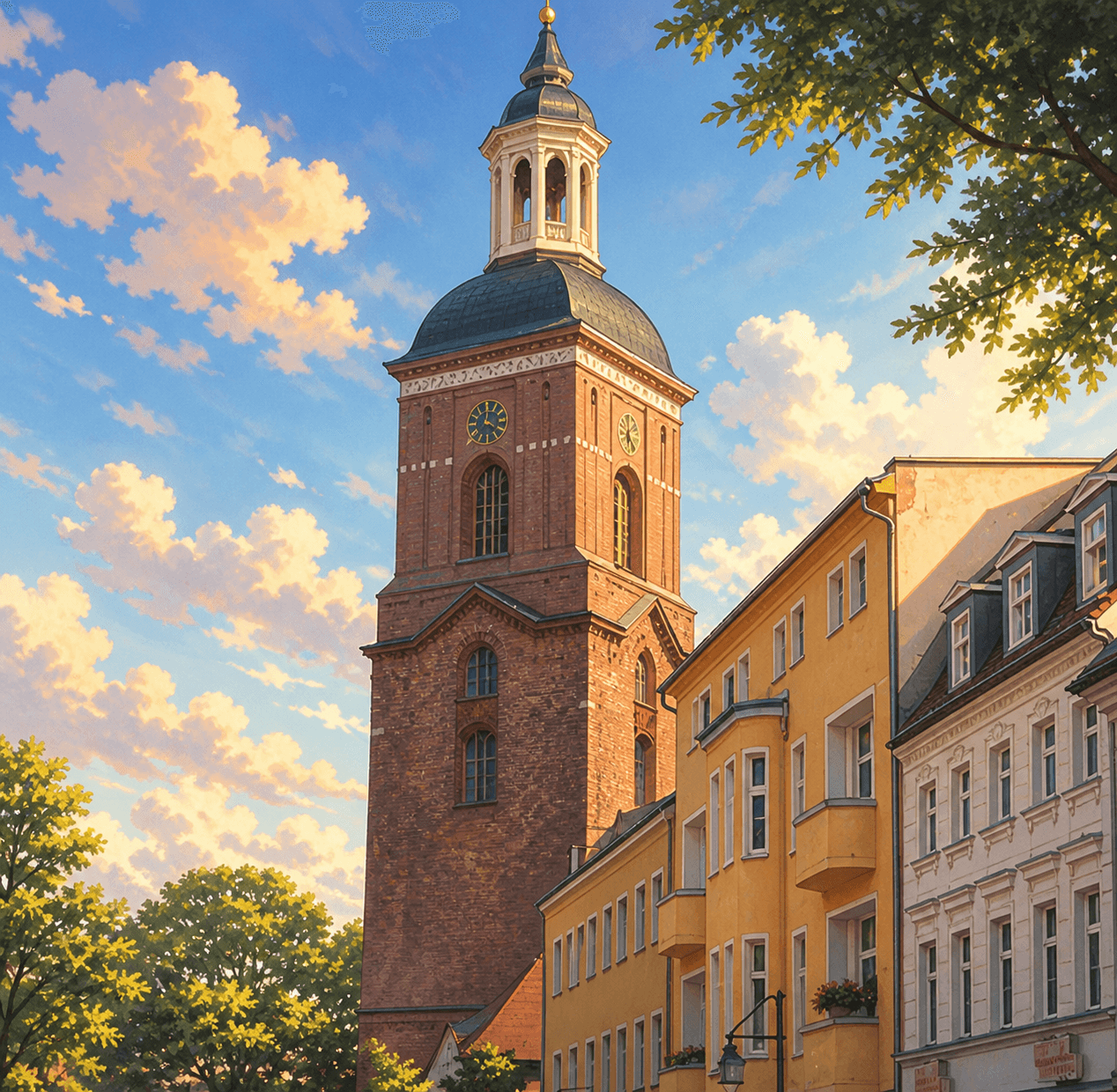
In February 2026, important decisions regarding culture and community were made in Spandau. The Committee for Further Education and Culture held a public session on February 24, passing key resolutions that will shape the city’s cultural landscape.
Culture as a Link in the Community
Culture is more than just museums and concerts – it is a central element for social integration, identity formation, and urban coexistence. In Spandau, with its rich history and diverse population structure, the city administration in February 2026 demonstrated that it actively shapes culture as part of the city’s future. The Committee for Further Education and Culture was at the center of these efforts.
The Committee for Further Education and Culture in the Spotlight
On February 24, 2026, a public session of the Committee for Further Education and Culture took place at the Spandau City Hall (Room 202, 2nd Floor). The session began at 5:00 p.m. and ended around 7:00 p.m. This regular session was part of the standard planning process and was accompanied by the document folder 019/XXI (WuK).
The session was public, which underlines how important transparency and civic participation are in Spandau. Such sessions not only allow for decisions to be documented but also actively involve the population in the process.
What Was on the Agenda?
Although no specific agenda items were publicly announced, the context of the committee suggests that topics such as cultural infrastructure, support for local artists, and the future of educational offerings in Spandau were in focus. In the past, the committee, for example, has made decisions regarding the renovation of cultural centers, the support of youth cultural projects, and the organization of cultural festivals.
These topics should not be viewed in isolation. They are part of a broader strategy to position Spandau as a vibrant, culturally diverse city – especially amid the dynamic development of Berlin.
Impact on the Cultural Landscape
The decisions made in the session on February 24, 2026, could significantly impact Spandau’s cultural landscape in the coming months and years.
On the one hand, new support programs for local cultural associations and artists could emerge. Such funding is crucial for preserving cultural diversity in the city while also setting new creative impulses.
On the other hand, the session may also have included preparations for larger projects in the areas of education and further education. This could, for example, mean an expansion of course offerings for adults or the strengthening of cooperation between schools and cultural institutions.
A Glimpse into the Future
The session in February 2026 is another step toward a cultural policy vision that sees Spandau not only as part of Berlin but as an independent cultural center. The city has already done a lot in recent years to promote cultural offerings – from supporting the cultural scene to preserving historical sites.
Yet challenges remain: How can culture be ensured even in financially uncertain times? How can young people be sustainably motivated to engage with cultural offerings? And how can cultural diversity in Spandau be further strengthened?
The answers to these questions will be crucial in the coming months – and the session on February 24, 2026, is another milestone on this path.
NeoSearch analyses public council documents, committee minutes and municipal announcements. Source references appear automatically once verified meeting data is available.
What does this mean for businesses?
Municipal council decisions are early indicators: following the council agenda surfaces projects and tenders months before the official award — before they ever reach the procurement portals.
Track similar decisions in your region
Set up monitoring for Culture and Community in Berlin — prefilled from this article.
Set up monitoring →More signals from Berlin
Culture and Community in Treptow-Köpenick: Highlights for April 2026
In April 2026, Treptow-Köpenick focused on key decisions and initiatives in the areas of culture and community. The Committee for Adult Education and Culture approved several projects, including support for festivals and cultural association activities.
Read more → Education and Public Facilities in Treptow-Köpenick: Focus on School Commute Safety and Classroom Air Quality
In April 2026, two central topics for educational policy were at the center of attention in Treptow-Köpenick: the safety of the school commute and air quality in classrooms. The District Council's Education Committee discussed concrete measures that take both health and educational aspects into account.
Read more → Homeless and People on the Water: Social Support and Democratic Participation in Treptow-Köpenick
In April 2026, the district of Treptow-Köpenick made key decisions regarding social support for homeless individuals and the promotion of democratic participation. The focus was on the situation of people living on boats and rafts as well as the creation of low-threshold support services.
Read more →