Climate Adaptation and Green Space Development in Neukölln – Focus on February 2026
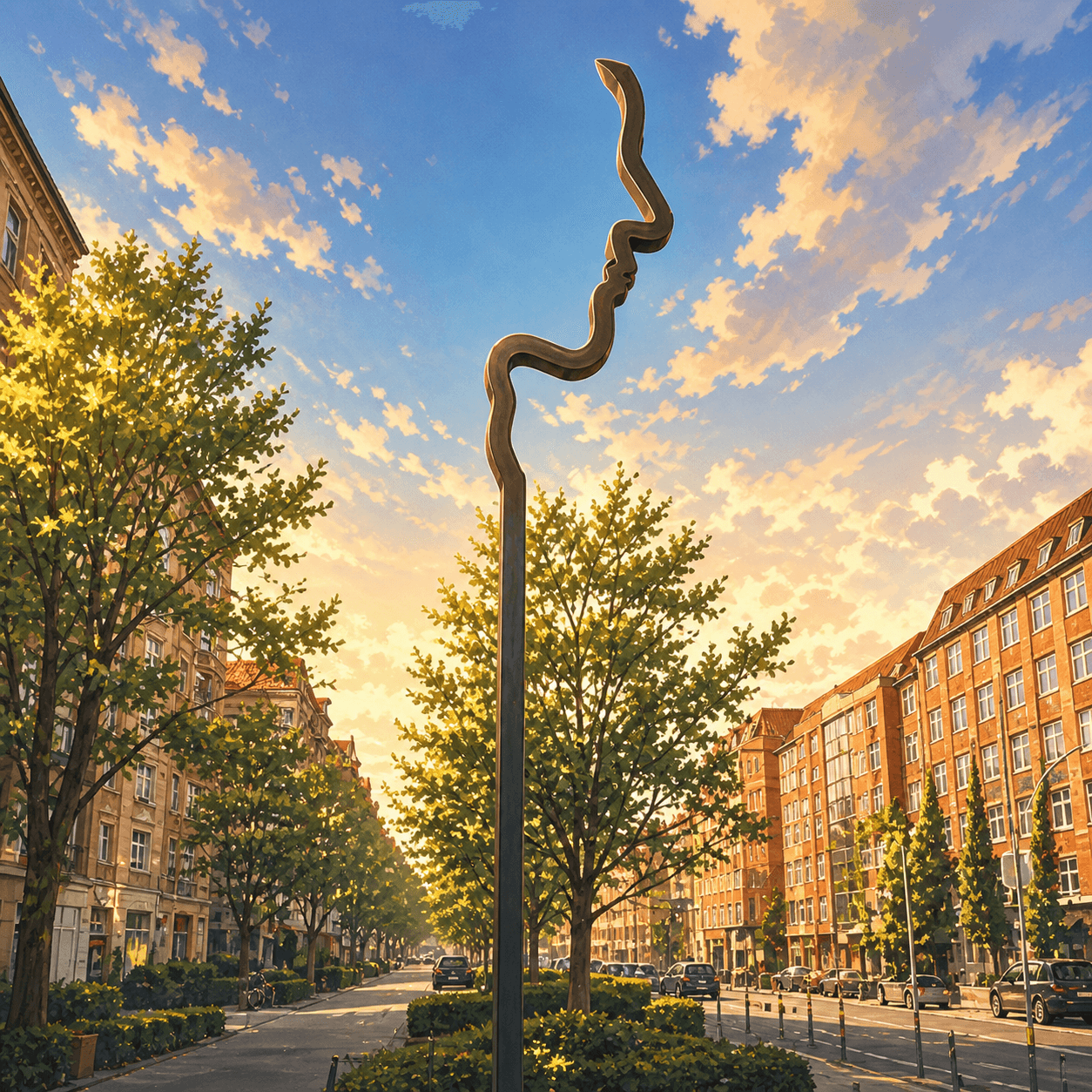
In February 2026, Neukölln focused on topics such as climate adaptation, green space planning, and park safety. The district committee discussed several proposals aimed at sustainable and socially equitable solutions.
Climate Adaptation and Green Space Development in Focus: Neukölln in February 2026
Neukölln is a district in motion. Amid the challenges posed by climate change and urban transformation, the district administration is committed to sustainable and socially just urban development. In February 2026, several initiatives and proposals in the areas of the environment, green spaces, and climate adaptation were central, all aiming to improve the quality of life for all residents.
Safety in Parks: Lighting and Green Space Maintenance
A central topic was the improvement of park lighting, particularly in the area between Ibisweg and Laubsängerweg. The SPD's proposal highlighted safety deficiencies and undesirable behavior in the dark. It also pointed out the outdated representation of non-existent streetlights on maps. Responsibility lies with the committee Green Space, Environment, Nature, and Climate, which deals with the maintenance and use of green areas.
Another proposal, this time from the CDU, called for the reinstallation of removed lights in the green space along Ibisweg. The justification emphasized that sufficient lighting not only enhances safety but also strengthens the local recreational function of the parks. This shows that safety and climate adaptation in Neukölln are closely interlinked.
Anita-Berber-Park: Concept Development for a Central Green Space
The Anita-Berber-Park is a central compensatory green space in Neukölln that was in focus in February 2026. A proposal called for the development of a five-point plan for the use and management of the park. The goal is to combine social and environmental aspects and ensure sustainable use of the area.
The Autobahn GmbH, as the park's owner, is to ensure that the area remains accessible to the urban community. Part of the concept also includes green space maintenance from the perspective of climate adaptation. This includes measures such as shading, cooling through vegetation, and the creation of green recreational areas.
A particular focus is on involving the neighborhood and social actors. According to the initiators, only through participatory planning can long-term solutions be found and social cohesion be strengthened.
Burial Grounds in Neukölln: Rejection of a Proposal
Another proposal discussed in the expert group concerned the creation of burial grounds in Neukölln for people who died alone and were buried by the authorities. The advisory committee for green spaces, environmental protection, nature conservation, and climate adaptation recommended the rejection of the proposal. This shows that in Neukölln, even sensitive topics such as burial and green spaces are subject to comprehensive debates that consider ecological, social, and cultural aspects.
Outlook: Urban Climate and Participation as Key Themes
The debates and proposals in February 2026 show that Neukölln is clearly focused on climate adaptation, green space planning, and social participation. The collaboration between politics, citizens, and experts is crucial. In the coming months, it will be important to see how the proposed concepts take concrete shape and are implemented in practice.
Even though some proposals were rejected, a common goal becomes evident: a livable, sustainable, and inclusive urban design that responds to the needs of people and the challenges of climate change.
NeoSearch analyses public council documents, committee minutes and municipal announcements. Source references appear automatically once verified meeting data is available.
What does this mean for businesses?
Municipal heat planning, photovoltaics and climate measures create early project indicators. Following council decisions surfaces sites and tenders before they are publicly advertised.
Track similar decisions in your region
Set up monitoring for environment & climate in Berlin — prefilled from this article.
Set up monitoring →More signals from Berlin
Culture and Community in Treptow-Köpenick: Highlights for April 2026
In April 2026, Treptow-Köpenick focused on key decisions and initiatives in the areas of culture and community. The Committee for Adult Education and Culture approved several projects, including support for festivals and cultural association activities.
Read more → Education and Public Facilities in Treptow-Köpenick: Focus on School Commute Safety and Classroom Air Quality
In April 2026, two central topics for educational policy were at the center of attention in Treptow-Köpenick: the safety of the school commute and air quality in classrooms. The District Council's Education Committee discussed concrete measures that take both health and educational aspects into account.
Read more → Homeless and People on the Water: Social Support and Democratic Participation in Treptow-Köpenick
In April 2026, the district of Treptow-Köpenick made key decisions regarding social support for homeless individuals and the promotion of democratic participation. The focus was on the situation of people living on boats and rafts as well as the creation of low-threshold support services.
Read more →