Governance and Administration in Spandau: How Local Decision-Making Processes Shape the City
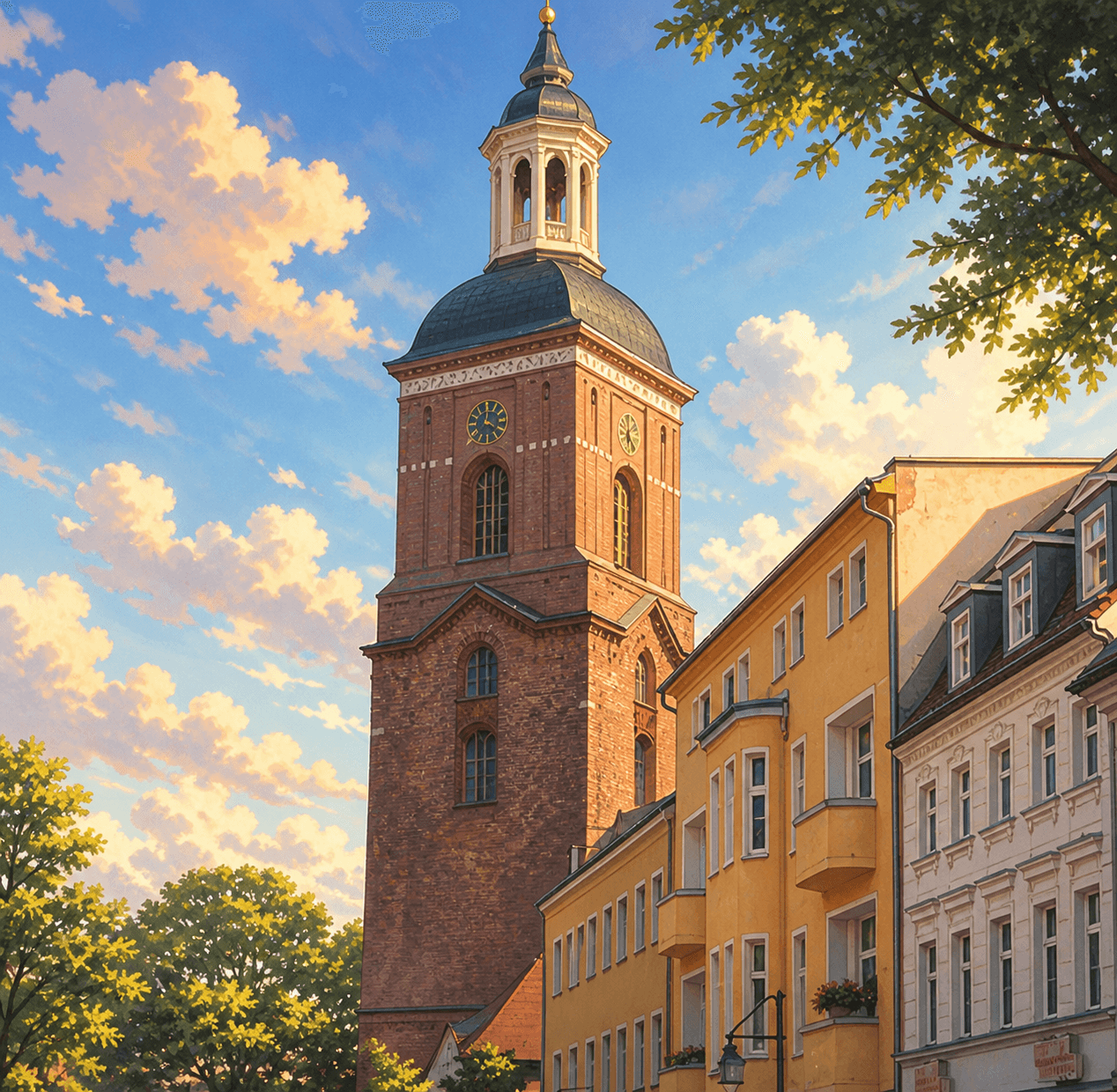
In January 2026, several key decisions in Spandau influenced local governance and administrative structures. From youth welfare committees to participation advisory boards – this deep dive shows how local politics function and what impact they have on the city.
Local Governance in Action – Spandau in January 2026
In January 2026, the city of Spandau made several central decisions in the areas of governance and administration. These processes not only reflect the structure of democratic participation but also demonstrate how local politics directly affect the quality of life for citizens. In particular, the work of the committees and the processing of motions illustrate how closely politics and administration are interlinked in practice.
Youth Welfare Committee: Structural Tasks and Current Topics
The Youth Welfare Committee met on January 13, 2026, at the Spandau City Hall. The session began at 5:00 PM and lasted just under 25 minutes. Agenda items ranged from the approval of the minutes from the previous meeting to current motions. Particularly noteworthy was the motion by the "Die Linke" faction to increase the attractiveness of Münsinger Park.
This motion was submitted on November 24, 2025, and discussed in several committees. It aims to revitalize the park through new usage concepts – an example of how local initiatives can be integrated into administration.
The Motion for Münsinger Park: From Idea to Implementation
The motion "Make Münsinger Park More Attractive" was passed with amendments on January 6, 2026, in the Youth Welfare Committee. The proposals include, among other things, a jogging path, supervised children's play areas, and mobility offers for seniors. The goal is to promote social interaction and increase the park’s usage.
The involvement of politicians such as Leschewitz and Wieczorek-Hahn highlights the close connection between political initiatives and administrative measures. The motion was publicly addressed, emphasizing transparency and citizen participation. In addition, it was forwarded to other committees to ensure consensus and coordination.
Participation and Integration: A Further Focus of Governance
On January 5, 2026, the "Participation and Integration Committee" met, focusing particularly on topics such as migration, integration, and citizen participation. This session centered on reports from the Participation and Integration Advisory Board, as well as communications from the District Office on topics such as flight and asylum.
The short session – only 14 minutes – underlines the compact working methods of many committees in Spandau. Nevertheless, central topics such as the inclusion of migrants in local politics were addressed, showing that governance in Spandau aims not only at structures but also at inclusion and diversity.
Outlook: How Governance Shapes the Future of Spandau
The decisions made in January 2026 show how multifaceted local governance in Spandau is. It encompasses both structural tasks such as the election of committee chairpersons and concrete, citizen-oriented initiatives such as the design of urban parks. Cooperation between political committees and the administration is essential to sustainably improve the quality of life for the population.
In 2026, it will be particularly important to further strengthen these processes – through greater transparency, more citizen participation, and better coordination between committees. The experiences from January show that Spandau is on the right path, but also that there is room for improvement.
NeoSearch analyses public council documents, committee minutes and municipal announcements. Source references appear automatically once verified meeting data is available.
What does this mean for businesses?
Town halls, fire stations, depots and administrative buildings create early construction and refurbishment opportunities. Following council agendas reveals projects before they go to tender.
Track similar decisions in your region
Set up monitoring for public buildings & administration in Berlin — prefilled from this article.
Set up monitoring →More signals from Berlin
Culture and Community in Treptow-Köpenick: Highlights for April 2026
In April 2026, Treptow-Köpenick focused on key decisions and initiatives in the areas of culture and community. The Committee for Adult Education and Culture approved several projects, including support for festivals and cultural association activities.
Read more → Education and Public Facilities in Treptow-Köpenick: Focus on School Commute Safety and Classroom Air Quality
In April 2026, two central topics for educational policy were at the center of attention in Treptow-Köpenick: the safety of the school commute and air quality in classrooms. The District Council's Education Committee discussed concrete measures that take both health and educational aspects into account.
Read more → Homeless and People on the Water: Social Support and Democratic Participation in Treptow-Köpenick
In April 2026, the district of Treptow-Köpenick made key decisions regarding social support for homeless individuals and the promotion of democratic participation. The focus was on the situation of people living on boats and rafts as well as the creation of low-threshold support services.
Read more →