Friedrichshain-Kreuzberg in April 2026: Urban Development at the Crossroads of Mobility, Heritage Protection, and Climate Action
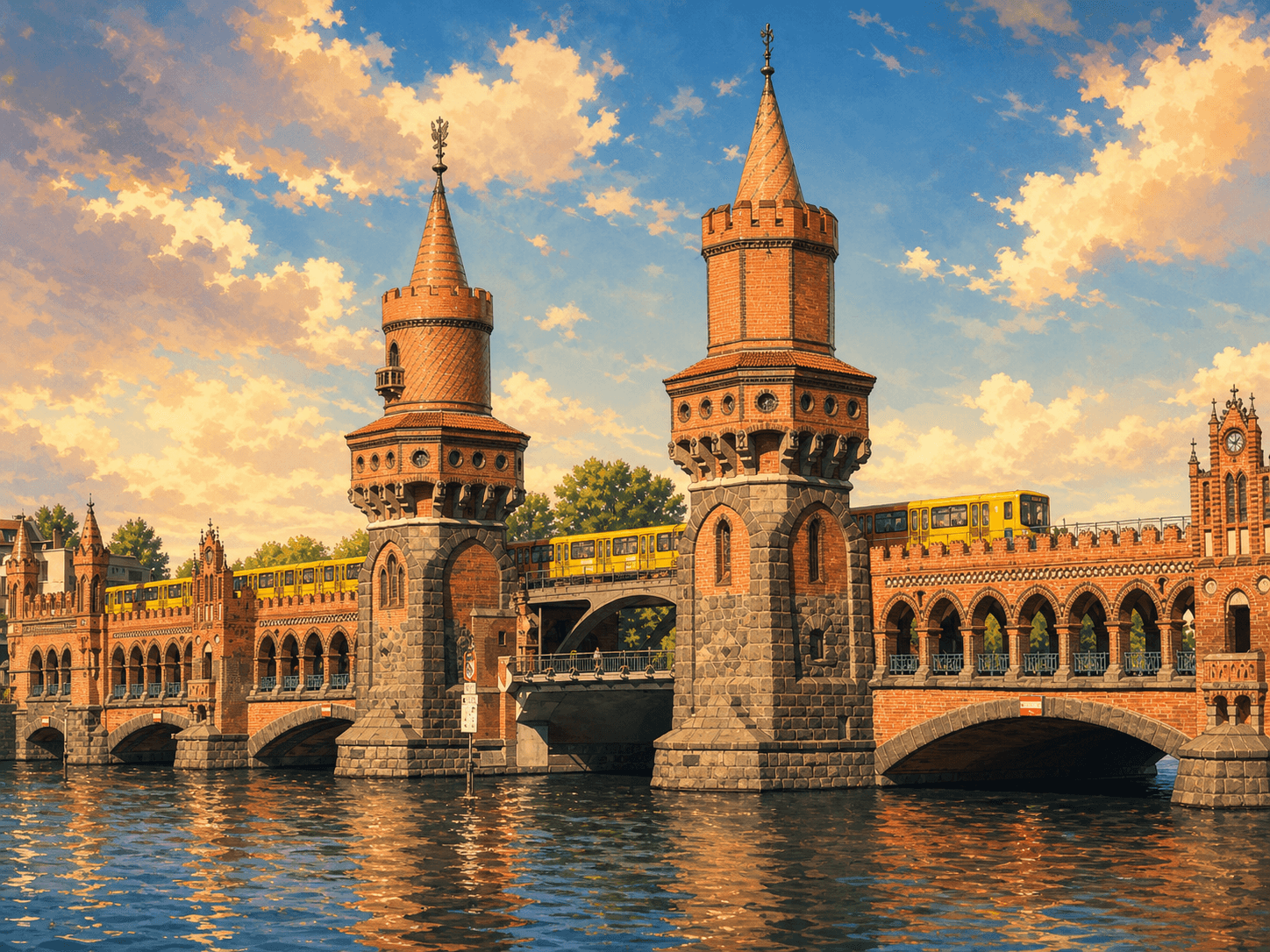
In Friedrichshain-Kreuzberg, the decisions of the District Council in April 2026 have sparked intense debate. From the expansion of charging infrastructure and the renovation of historic buildings to the mobility transition — the challenges are diverse and complex.
Urban Development in Friedrichshain-Kreuzberg: A Month of Decisions and Debates
Friedrichshain-Kreuzberg is a district in motion. The political debates on urban development, mobility, and climate action reflect the exciting and often contradictory challenges of a modern city shaped by its history. In April 2026, numerous decisions were on the agenda that carry both practical relevance and symbolic significance. The District Council (Bezirksverordnetenversammlung, BVV) discussed, among other topics, the renovation of historic buildings, the implementation of a mobility transition, and the integration of renewable energy into the urban infrastructure.
Mobility Transition: Between Heritage Protection and Climate Action
One of the central topics during the April sessions was the mobility transition. In an area characterized by protected monuments such as the Karl-Marx-Allee and the Frankfurter Allee, modern infrastructure projects often face resistance. For example, a CDU motion to remove the planned bicycle street in Gärtnerstraße from the special budget was rejected. At the same time, solutions were discussed that are both heritage-compliant and climate-friendly, such as integrating electric vehicle charging stations into the rooftops of protected buildings or testing tulip-shaped wind turbines in Xhain.
The establishment of delivery zones in Pücklerstraße and 30 km/h zones on Frankfurter Allee also shows that safety and traffic management remain key priorities. The discussions on bicycle infrastructure and parking facilities — particularly in protected areas — highlight how delicate the balance is between preserving historical sites and developing modern infrastructure.
Heritage Protection and Urban Future
Friedrichshain-Kreuzberg is a district of monuments in the truest sense. The Karl-Marx-Allee and Frankfurter Allee are not only architectural milestones but also living places of social and cultural identity. In April 2026, an approach was pursued to align heritage protection, the mobility transition, and urban transformation. A "Heritage-Compliant Technical Standard" for electric vehicle charging stations was discussed to ensure the integration of modern technologies in a manner respectful to heritage.
At the same time, concrete measures were examined, such as the use of roller shutters in the former Kreuzberg Town Hall or the assessment of areas for street art and graffiti. The future of the historic ensemble of Karl-Marx-Allee / Frankfurter Allee remains a central topic. Here, planners, politicians, and residents must jointly find solutions that are both heritage-compliant and future-oriented.
Climate Action and Energy Policy: Integration into Urban Development
Friedrichshain-Kreuzberg's climate protection strategy is not just a political direction — it is an area of action. In April 2026, discussions focused on how photovoltaic systems on rooftops can support the mobility transition. The integration of renewable energy into housing and transportation is a central element of Berlin's climate protection program 2030. In Friedrichshain-Kreuzberg, the rooftops of the historic ensemble Karl-Marx-Allee / Frankfurter Allee are of particular interest in this context.
Another important topic was energy storage through electric vehicles. Here, it was discussed how surplus solar power could be fed into electric vehicles to reduce costs and stabilize local energy supply. At the same time, the digitalization of existing buildings — for example via the geoportal "GeovierwerXHain" — represents a step toward smart urban development.
Outlook: A District in Transition
The decisions of April 2026 show that Friedrichshain-Kreuzberg is a district in motion. The debates on mobility, heritage protection, and climate action are not only political but also socially significant. The challenges are great, but so are the opportunities: A district that moves in dialogue with its history and toward the future can serve as a model for other cities.
In the coming months, it will be important to monitor the implementation of the approved projects and ensure the participation of the population. The integration of climate protection, the mobility transition, and heritage protection into urban development is not an end in itself — it is a path to creating a vibrant, social, and sustainable city.
NeoSearch analyses public council documents, committee minutes and municipal announcements. Source references appear automatically once verified meeting data is available.
What does this mean for businesses?
Municipal heat planning, photovoltaics and climate measures create early project indicators. Following council decisions surfaces sites and tenders before they are publicly advertised.
Track similar decisions in your region
Set up monitoring for environment & climate in Berlin — prefilled from this article.
Set up monitoring →More signals from Berlin
Culture and Community in Treptow-Köpenick: Highlights for April 2026
In April 2026, Treptow-Köpenick focused on key decisions and initiatives in the areas of culture and community. The Committee for Adult Education and Culture approved several projects, including support for festivals and cultural association activities.
Read more → Education and Public Facilities in Treptow-Köpenick: Focus on School Commute Safety and Classroom Air Quality
In April 2026, two central topics for educational policy were at the center of attention in Treptow-Köpenick: the safety of the school commute and air quality in classrooms. The District Council's Education Committee discussed concrete measures that take both health and educational aspects into account.
Read more → Homeless and People on the Water: Social Support and Democratic Participation in Treptow-Köpenick
In April 2026, the district of Treptow-Köpenick made key decisions regarding social support for homeless individuals and the promotion of democratic participation. The focus was on the situation of people living on boats and rafts as well as the creation of low-threshold support services.
Read more →