Education and Public Facilities in Spandau – Focus February 2026
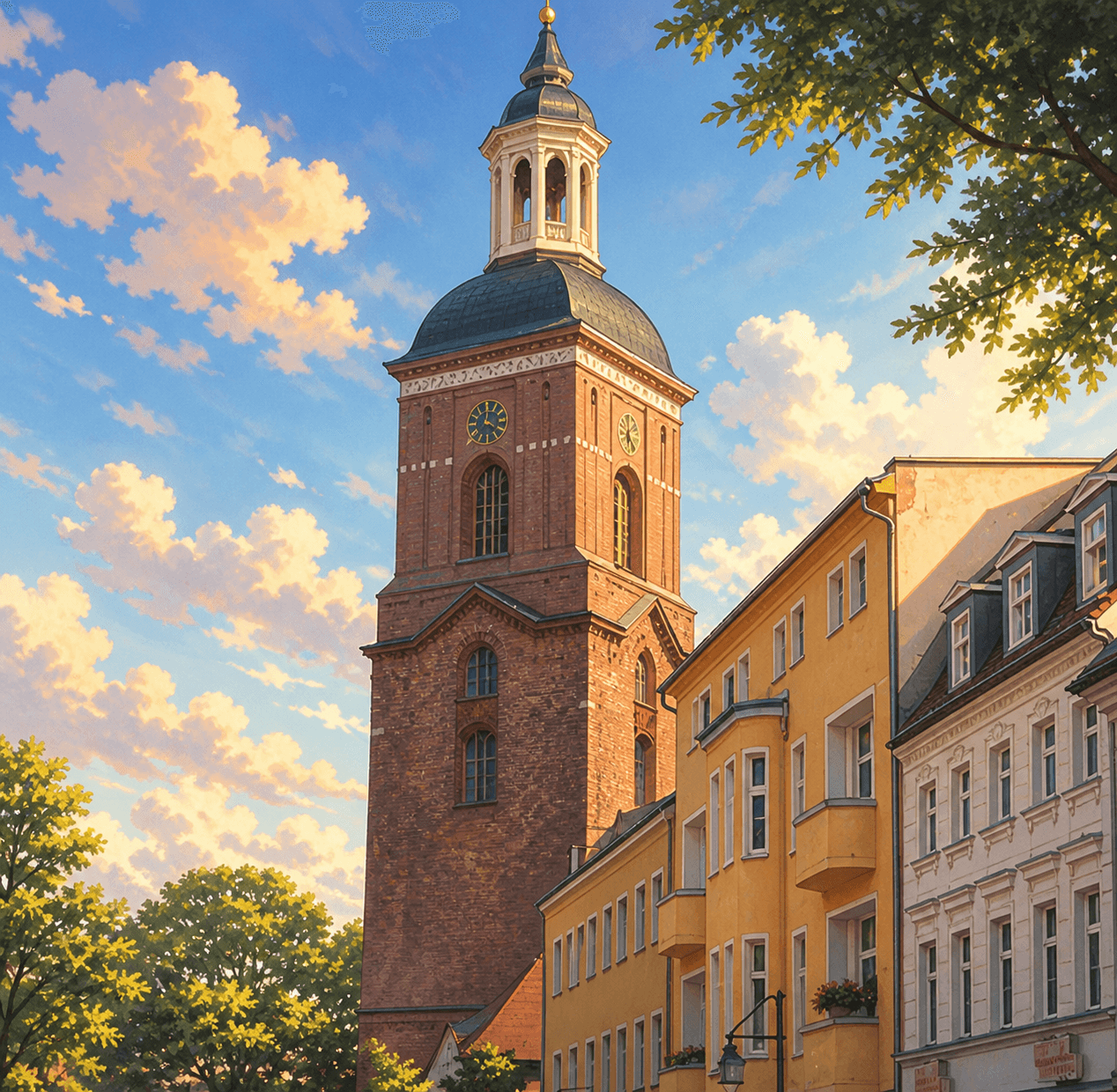
In February 2026, Spandau focused on key decisions in the areas of education and public facilities. The Committee for Schools, IT, Construction, and Real Estate made relevant decisions during its public session on February 17, 2026, that will influence the future of the educational landscape and infrastructure.
Education and Public Facilities in Focus: Committee Decision of February 17, 2026
Education and public facilities are central pillars of a livable city. In Spandau, a historical district of Berlin, they play a particularly significant role, as the district is not only home to a rich cultural history but also a vibrant educational landscape. In this respect, decisions were made in February 2026 that sparked discussion in the region.
The Committee for Schools, IT, Construction, and Real Estate – A Central Role
On February 17, 2026, a public meeting of the Committee for Schools, IT, Construction, and Real Estate took place in Room 202 of the Spandau City Hall. Under the leadership of the district council, several topics were discussed that directly affect the infrastructure and learning environment in Spandau.
The meeting began at 5:00 PM and ended around 7:00 PM. The committee consisted of representatives from the local assembly, including members from various political parties, which contributed to a broad-ranging debate. The attached documents, particularly the document folder (023/XXI (SIHoLi)), provided the foundation for the decisions made.
Topics of the Meeting: Digitalization, School Construction, and Real Estate
One of the central topics was the digitalization of schools. The folder included proposals for equipping classrooms with new IT infrastructure. Particular attention was paid to the provision of laptops for students and the modernization of networks within school buildings. This is a crucial issue at a time when digital learning is increasingly integrated into the curriculum.
Another focus was on construction. Plans for the renovation and expansion of several schools were presented. The goal is to ensure the structural condition of the buildings and simultaneously improve learning conditions. In the area of real estate, questions regarding the use of vacant spaces for educational projects and community initiatives were also addressed.
Outlook: What Does This Mean for the Future?
The decisions made during the meeting indicate that Spandau is committed to a sustainable expansion of its educational and infrastructural landscape. Investments in digitalization and construction reflect the prioritization of education and quality of life. It also becomes clear that the district is seeking to respond to the needs of local communities.
For the future, it is expected that the implementation of the approved projects will continue into the second half of 2026. The public will be informed about progress in future meetings, and it remains to be seen how strongly local parent associations and educational institutions will be involved in the implementation.
Conclusion: Education as an Investment in the Future
The February meeting of the Committee for Schools, IT, Construction, and Real Estate in Spandau underlines the importance of education as a key issue for urban development. With clear decisions in the areas of digitalization and construction, Spandau is investing in a future-ready infrastructure that meets not only educational but also societal demands.
NeoSearch analyses public council documents, committee minutes and municipal announcements. Source references appear automatically once verified meeting data is available.
What does this mean for businesses?
Schools, daycare centres and public buildings create early planning and construction opportunities. Following council agendas surfaces tenders for refurbishment, new builds and fit-out months before the official award — from shell construction to specialist planning to furnishing.
Track similar decisions in your region
Set up monitoring for education & public facilities in Berlin — prefilled from this article.
Set up monitoring →More signals from Berlin
Culture and Community in Treptow-Köpenick: Highlights for April 2026
In April 2026, Treptow-Köpenick focused on key decisions and initiatives in the areas of culture and community. The Committee for Adult Education and Culture approved several projects, including support for festivals and cultural association activities.
Read more → Education and Public Facilities in Treptow-Köpenick: Focus on School Commute Safety and Classroom Air Quality
In April 2026, two central topics for educational policy were at the center of attention in Treptow-Köpenick: the safety of the school commute and air quality in classrooms. The District Council's Education Committee discussed concrete measures that take both health and educational aspects into account.
Read more → Homeless and People on the Water: Social Support and Democratic Participation in Treptow-Köpenick
In April 2026, the district of Treptow-Köpenick made key decisions regarding social support for homeless individuals and the promotion of democratic participation. The focus was on the situation of people living on boats and rafts as well as the creation of low-threshold support services.
Read more →