Traffic and Mobility in Rosenheim: March 2026 in Focus
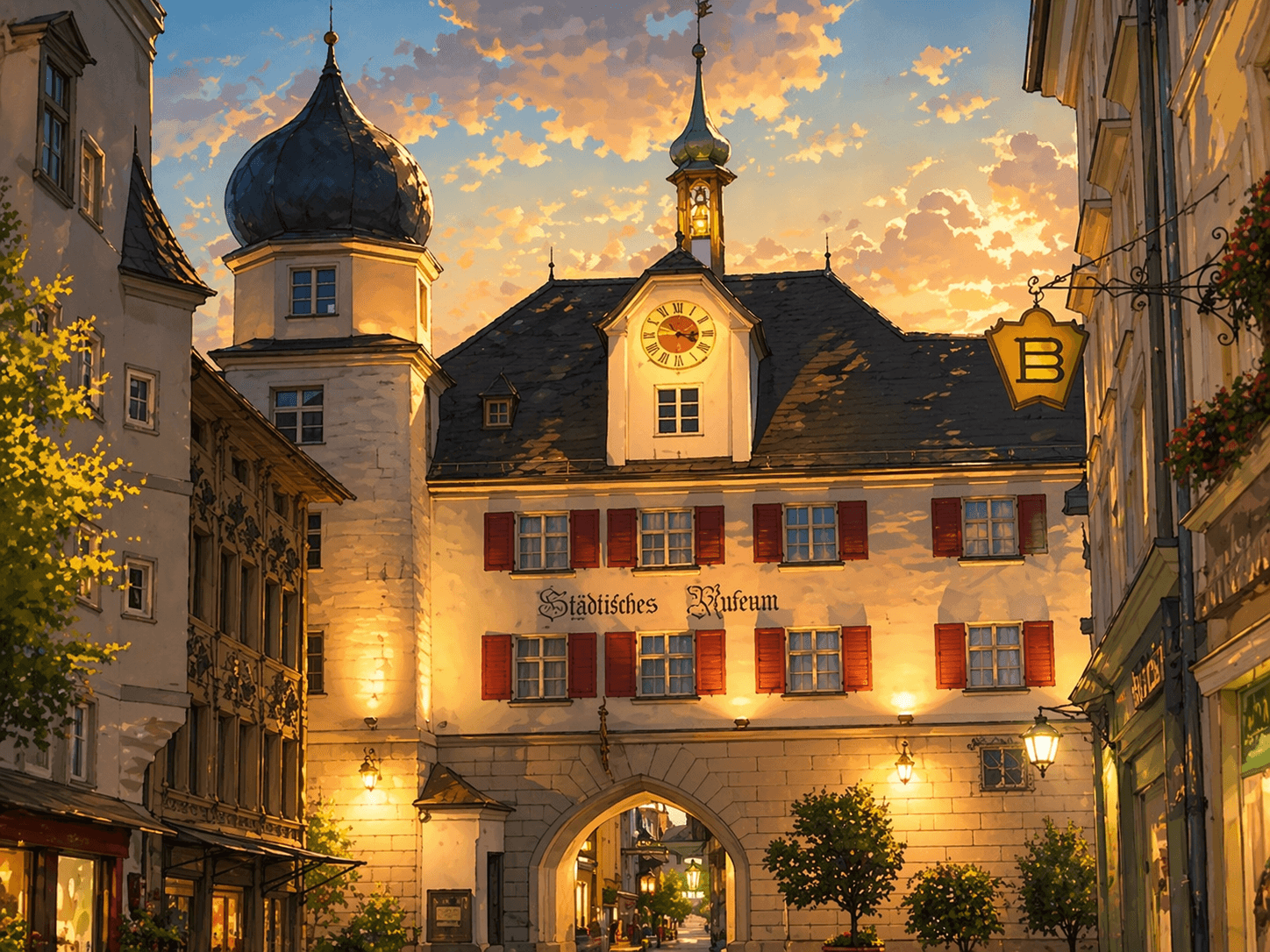
In March 2026, Rosenheim addressed key topics in traffic policy. The Committee for Transport and Public Transport focused on construction projects, bicycle infrastructure, and barrier-free urban design. An overview.
Traffic Policy in Rosenheim: March 2026 – On the Path to Sustainable Mobility
In the city of Rosenheim, the topics of traffic and mobility have increasingly come into focus in recent years. This was especially the case in March 2026, when the Committee for Transport and Public Transport made important decisions and presented current developments. The discussions reflect the transformation in traffic policy – away from purely motorized transport towards greater sustainability, safety, and barrier-free access.
One-way Street Regulation in Münchener Straße Due to Construction
The largest thematic focus of the March meeting was the temporary one-way street regulation in Münchener Straße between Gillitzer- and Salinstraße, which was implemented due to construction work. This measure is part of a larger construction project aimed at expanding infrastructure in this central district.
The regulation is intended to optimize traffic flow during the construction phase while ensuring the safety of residents and road users. The one-way street rule is limited to the duration of the construction work and is scheduled to be lifted after completion. Critics, however, fear that the traffic situation in the surrounding area may become more complicated in the long term. The committee emphasized, however, that a detailed traffic analysis has been carried out to minimize the impact.
Bicycle Infrastructure: Parking Facilities, Service Stations, and More
Another central topic was the current development of bicycle infrastructure in Rosenheim. The status report on bicycle parking facilities at Südtiroler Platz showed that the city remains active in this area. The facilities are intended to support the increase in bicycle use in the city center and simultaneously provide a service for commuters and tourists.
In addition, the committee reported on the progress of the construction of bicycle service stations. These stations are part of a new strategy to promote the use of bicycles through better service and maintenance options in a sustainable way. The service stations are to be distributed at strategically important points in the city to ensure maximum usability.
Barrier-free Access at Max-Josefs-Platz
Another focus of the meeting was the status report on barrier-free access at Max-Josefs-Platz. The square is a central element of the city center and is made more accessible to people with limited mobility through its barrier-free design. The work includes adjustments to sidewalks, the installation of ramps, and the optimization of stops.
The city emphasizes that barrier-free access is not only a question of inclusion but also creates economic added value. A barrier-free public space promotes urban life and makes Rosenheim more attractive to tourists and businesspeople alike.
Outlook and Challenges
The decisions and reports made in March 2026 by the Committee for Transport and Public Transport show that Rosenheim is actively working towards a sustainable and inclusive traffic policy. Nevertheless, challenges remain: balancing construction projects with traffic safety, long-term planning for bicycle infrastructure, and the implementation of barrier-free spaces are issues that will remain in the spotlight in the coming months.
NeoSearch analyses public council documents, committee minutes and municipal announcements. Source references appear automatically once verified meeting data is available.
What does this mean for businesses?
Urban development, zoning plans and commercial settlements create early construction and supply opportunities. Following council decisions reveals projects before they go to tender.
Track similar decisions in your region
Set up monitoring for economic development in Bayern — prefilled from this article.
Set up monitoring →More signals from Rosenheim
Rosenheim's Climate Protection in April 2026: Flood Protection, Landscape Conservation, and Waste Management
In April 2026, Rosenheim focused on comprehensive climate protection measures. The spotlight was on reinforcing the Mangfall embankments, revising the landscape protection area, and progress in organic waste collection. This blog post analyzes the background, decisions, and impacts of these initiatives.
Read more → Governance and Administration in Rosenheim: Structural Decisions in April 2026
In April 2026, the city of Rosenheim made several decisions in the areas of governance and administration that shape the structure, transparency, and cooperation within the city administration. This blog analyzes the main topics of the City Council meeting on April 29, 2026.
Read more → Urban Development in Rosenheim: Outlook and Decisions April 2026
In April 2026, Rosenheim faced numerous significant decisions in the areas of urban development and building permits. The focus was on planning changes, greening concepts, and new construction projects. The Committee for Urban Development and Building Permits engaged intensively with future-oriented topics.
Read more →