Rosenheim: Urban Development and Zoning in February 2026
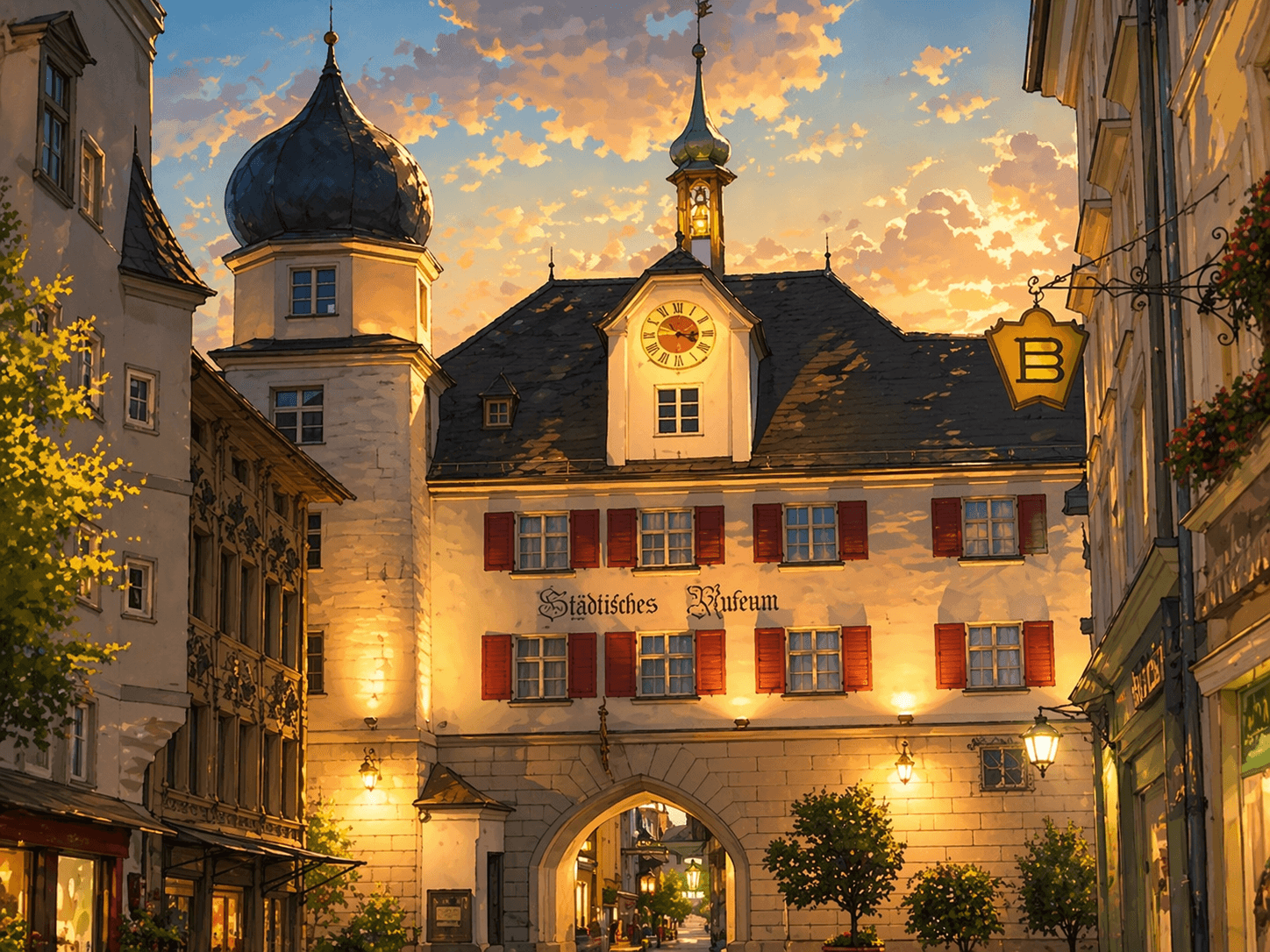
In February 2026, Rosenheim made key decisions on urban development and construction. The zoning plan No. 204 "Marienberger Straße Nord" was approved, with far-reaching implications for housing, traffic, the environment, and local amenities. A deep dive analyzes the background, criticisms, and long-term impacts of these plans.
Urban Development in Rosenheim: Zoning Plan 204 and Its Consequences
In February 2026, the city of Rosenheim faced a new construction plan with far-reaching implications for the urban landscape, infrastructure, and socio-economic environment. The zoning plan No. 204 "Marienberger Straße Nord" marks a milestone in the city's current urban development policy – both as a response to the growing demand for housing and as part of the strategic development of the western districts.
Housing and Mixed-Use Development: A Response to Growth Pressure
Zoning plan 204 envisions the development of a mixed-use area that combines housing, commerce, local services, and leisure facilities. A total of 141 residential units, a hotel with 128 rooms, office space, retail, and gastronomic facilities are planned. Special attention is given to the integration of the new district into the existing neighborhoods, particularly in the north and Westerndorf St. Peter.
The planning takes into account urban differentiation: up to 6 full storeys are permitted in the south, whereas in the north, development is more restrained to preserve the rural character. This approach aims to help secure the social and urban identity of the districts.
Climate Protection and the Environment: Challenges and Solutions
The climate impact of the planning cannot be underestimated. With increasing heat days and heavy rainfall events due to climate change, resilient urban development is necessary. In this context, measures for climate adaptation such as green roofs, retention areas, and green facades have been specified.
A central point is the creation of a green buffer of approximately 10,000 m², which is intended to serve as a fresh air corridor and a nearby recreational area. Nevertheless, the loss of a larger green area has drawn criticism, especially from the Nature Conservation Union (Bund Naturschutz). Furthermore, there is an urgent need for concrete planning and implementation obligations for the compensatory areas.
Traffic and Accessibility: A Balancing Act Between Demand and Load
The traffic connection to the new district is a central aspect of the planning. A connecting road with a turnaround is planned, and additional pedestrian and cycle paths are being examined. Although a traffic impact assessment is being prepared, concerns about additional traffic loads and noise pollution remain.
A car park with 207 parking spaces is intended to minimize surface sealing. In addition, it is being discussed whether a two-level parking structure could be used to save space. The access via the Marienberger Straße divides the area into three parts, which is intended to facilitate better traffic management.
Public Participation and Criticism: A Process with Tensions
The planning was publicly discussed in two phases, yet many citizens feel insufficiently involved. Criticisms include the sealing of land, the threat to fresh air corridors, and the potential overloading of infrastructure. Proposals for a "citizen’s park" or stronger inclusion of the local community in the planning process are often ignored.
Nevertheless, participation is seen as a necessary part of the process. The city emphasizes that comments and statements will be taken into account in the assessment, even if not every objection can be addressed.
Conclusion: A Plan with Future Potential
Zoning plan 204 is a response to the challenges of the 21st century – housing shortages, climate change, and urbanization. It combines ecological, social, and economic aspects in an urban development vision. However, implementation will be decisive. Only if the plans for green spaces, climate adaptation, and traffic management are truly realized can Rosenheim remain a livable, sustainable city.
The coming months will show whether the criticism from environmental associations and public opinion will be heeded – or whether the city will continue to steer the course primarily from an economic perspective.
NeoSearch analyses public council documents, committee minutes and municipal announcements. Source references appear automatically once verified meeting data is available.
What does this mean for businesses?
Municipal heat planning, photovoltaics and climate measures create early project indicators. Following council decisions surfaces sites and tenders before they are publicly advertised.
Track similar decisions in your region
Set up monitoring for environment & climate in Bayern — prefilled from this article.
Set up monitoring →More signals from Rosenheim
Rosenheim's Climate Protection in April 2026: Flood Protection, Landscape Conservation, and Waste Management
In April 2026, Rosenheim focused on comprehensive climate protection measures. The spotlight was on reinforcing the Mangfall embankments, revising the landscape protection area, and progress in organic waste collection. This blog post analyzes the background, decisions, and impacts of these initiatives.
Read more → Governance and Administration in Rosenheim: Structural Decisions in April 2026
In April 2026, the city of Rosenheim made several decisions in the areas of governance and administration that shape the structure, transparency, and cooperation within the city administration. This blog analyzes the main topics of the City Council meeting on April 29, 2026.
Read more → Urban Development in Rosenheim: Outlook and Decisions April 2026
In April 2026, Rosenheim faced numerous significant decisions in the areas of urban development and building permits. The focus was on planning changes, greening concepts, and new construction projects. The Committee for Urban Development and Building Permits engaged intensively with future-oriented topics.
Read more →