Mobility Strategy in Rosenheim: Renovation, Sustainability, and Safety in Focus
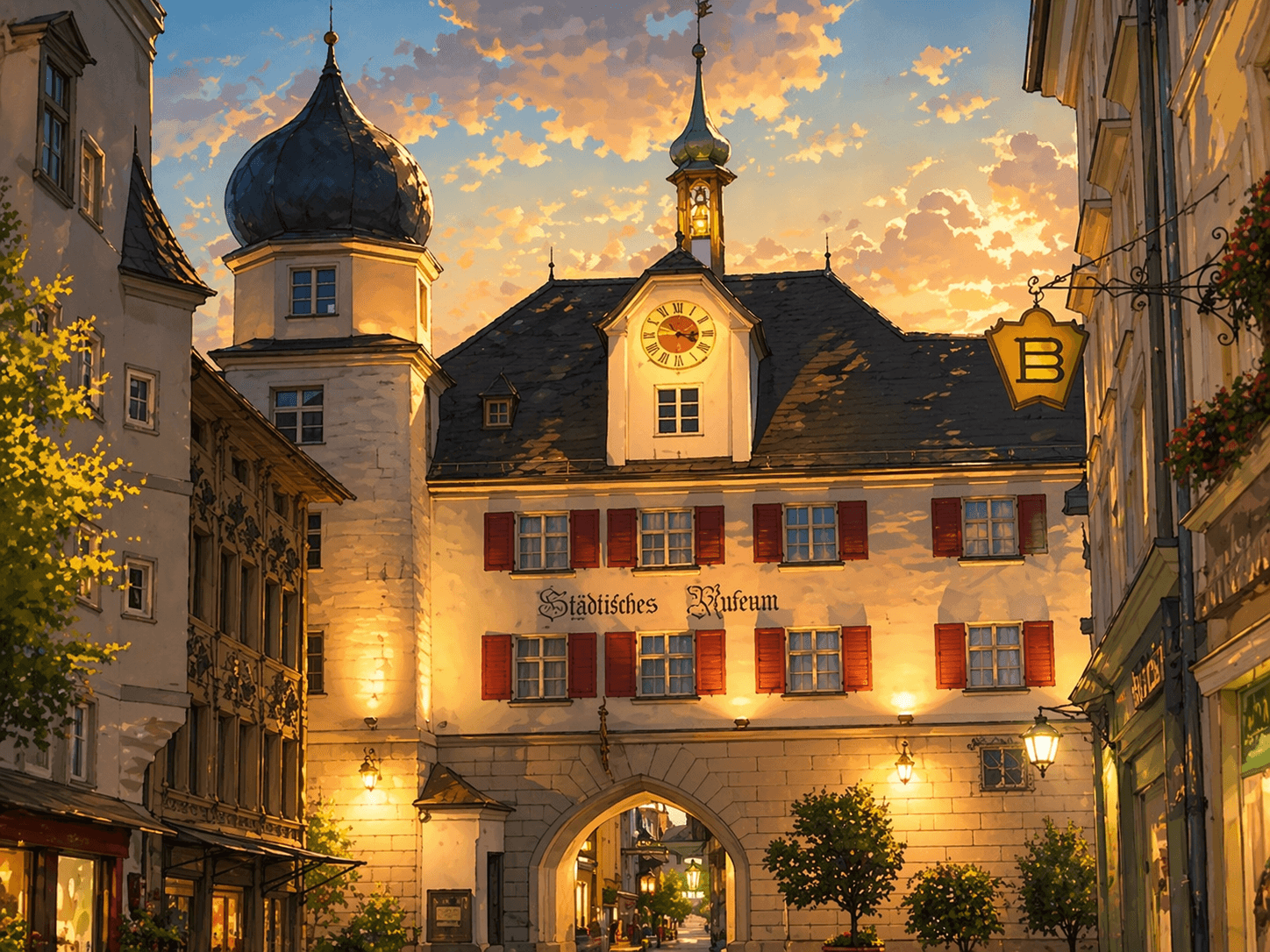
In February 2026, Rosenheim held comprehensive discussions and decisions on the future of urban mobility. The Committee on Traffic and Public Transport addressed contentious issues such as pedestrian zones, bike-sharing, and traffic calming. Here is an overview of the key developments and background.
Rosenheim Redesigns Traffic: From Pedestrian Zones to Barrier-Free Mobility
In February 2026, Rosenheim engaged intensively with the future of its mobility and traffic strategy. The discussions in the Committee on Traffic and Public Transport reflected the growing importance of sustainable, safe, and barrier-free urban mobility planning. Numerous motions and reports addressed both practical challenges and long-term visions.
Traffic Calming and Pedestrian Zones: Münchener Straße in Focus
The Münchener Straße has been at the center of several initiatives in recent weeks. The CSU and SPD city council factions jointly called for the street to be converted into a pedestrian zone while simultaneously establishing a city café at the Salingarten. This step is part of a broader plan to make the city center more vibrant and attractive.
However, the redesign also brings challenges. To avoid disrupting bus traffic, three possible routes (V1, V2, V3) were discussed that could reroute buses. At the same time, the Alliance 90/The Greens propose a comprehensive concept for making the Münchener Straße and other streets more bicycle- and pedestrian-friendly. Proposed measures include wide cycle lanes, separated bicycle and pedestrian paths, barrier-free sidewalks, and tree plantings that enhance the street space while reinforcing a 30 km/h speed limit.
Bike-Sharing and Bicycle Ordinance: Safety and Order in Focus
Another central topic was the bike-sharing system TH Rosenheim. A current status report was presented, analyzing the system's development and usage. At the same time, City Councillor Rudolf Hötzel (The Republicans) demanded the removal of illegally parked bicycles from the train station square for safety reasons. This issue highlights the need for a clear bicycle ordinance that ensures both user-friendliness and safety.
Barrier-Free Access and LKW Bans: For an Inclusive and Livable Rosenheim
In the context of traffic discussions, topics such as barrier-free access and LKW (heavy goods vehicle) bans were also addressed. The Max-Josefs-Platz is being made barrier-free, which is not only crucial for people with limited mobility but also improves the cityscape. A ban on LKW through traffic is also being evaluated to calm inner-city traffic and improve air quality.
Additionally, the CSU city council faction demanded a parking ban on Mangfallstraße to optimize traffic flow and safety. These measures show how Rosenheim is striving to find a balance between mobility needs and sustainability.
Outlook: Mobility for the Future
The decisions and debates of February 2026 show a clear trend: Rosenheim is pursuing a traffic planning approach that protects the climate, simplifies everyday life, and makes the city more livable. Whether pedestrian zones, bike-sharing, or barrier-free pathways—the discussions show that the city is working toward a sustainable, inclusive, and future-ready traffic concept.
The coming weeks will show which of the proposed measures will be implemented and how citizens will react to the changes. Active public participation and transparent communication are key to the success of the new mobility strategy.
NeoSearch analyses public council documents, committee minutes and municipal announcements. Source references appear automatically once verified meeting data is available.
What does this mean for businesses?
Urban development, zoning plans and commercial settlements create early construction and supply opportunities. Following council decisions reveals projects before they go to tender.
Track similar decisions in your region
Set up monitoring for economic development in Bayern — prefilled from this article.
Set up monitoring →More signals from Rosenheim
Rosenheim's Climate Protection in April 2026: Flood Protection, Landscape Conservation, and Waste Management
In April 2026, Rosenheim focused on comprehensive climate protection measures. The spotlight was on reinforcing the Mangfall embankments, revising the landscape protection area, and progress in organic waste collection. This blog post analyzes the background, decisions, and impacts of these initiatives.
Read more → Governance and Administration in Rosenheim: Structural Decisions in April 2026
In April 2026, the city of Rosenheim made several decisions in the areas of governance and administration that shape the structure, transparency, and cooperation within the city administration. This blog analyzes the main topics of the City Council meeting on April 29, 2026.
Read more → Urban Development in Rosenheim: Outlook and Decisions April 2026
In April 2026, Rosenheim faced numerous significant decisions in the areas of urban development and building permits. The focus was on planning changes, greening concepts, and new construction projects. The Committee for Urban Development and Building Permits engaged intensively with future-oriented topics.
Read more →