Education and Public Institutions in Rosenheim: Focus February 2026
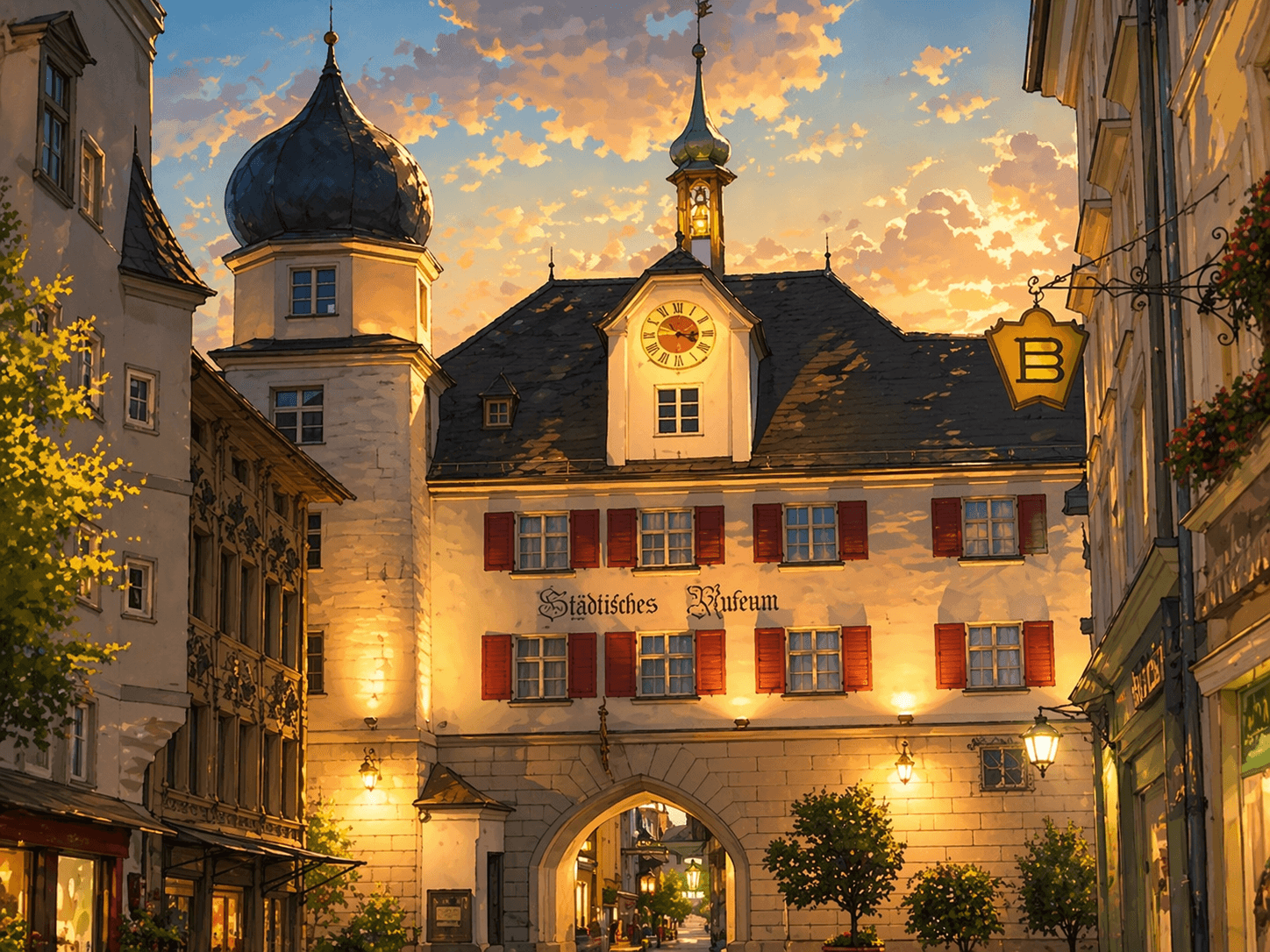
In February 2026, Rosenheim focused on key decisions in the areas of education and public institutions. The Committee on Education, Culture, and Sports addressed the establishment of a counseling center at the Luitpoldpark Middle School, the 2025 sports special funding, and the feasibility study for the City Museum.
Education and Public Institutions in Rosenheim: What Was Decided in February 2026
The city of Rosenheim intensified its focus on the future of its educational institutions and cultural infrastructure in February 2026. Three central topics were in the spotlight: the establishment of a new counseling center at a middle school, the orientation of sports funding, and the future of the City Museum. These decisions not only reflect the priorities of the city administration but also the expectations of citizens for a modern, inclusive, and culturally vibrant city.
Establishment of a Counseling Center at the Luitpoldpark Middle School
The establishment of a counseling center at the Luitpoldpark Middle School marks a milestone in the pedagogical and social development of the city. The goal is to provide students with early, professionally qualified support – particularly in areas such as academic assistance, psychosocial care, and career orientation. The center will also serve as a central contact point for parents and teachers to address conflicts and challenges in the school environment constructively.
The decision to locate the center at the Luitpoldpark Middle School is based on its central location and the high social diversity of its student body. With this step, Rosenheim sends an important signal for inclusive education and equal opportunities. Critics, however, question whether the necessary resources will be secured in the long term and whether the project will remain a pilot initiative rather than being expanded to other schools.
2025 Sports Special Funding: Impulses for Youth Sports and Inclusion
Another central topic of the meeting was the 2025 Sports Special Funding. Rosenheim is deliberately focusing on the promotion of youth sports and inclusive sports to inspire young people in the long term to engage in physical activity and teamwork. Particular attention was given to measures to improve the equipment of sports clubs, financial support for coaches, and the development of sports programs for people with disabilities.
The city finances these measures through a special sports funding fund, which is transparently managed by the city administration. There are concerns, however, about whether the funds are sufficient to establish long-term structures or if they will only be used in the short term. In addition, some clubs are discussing whether the funding should be better aligned with the needs of the city districts.
Feasibility Study for the City Museum: Future of Cultural Infrastructure
The presentation of the feasibility study for the City Museum highlights Rosenheim's ambitions to strengthen its cultural infrastructure. The study analyzes possible renovation concepts, financing models, and cultural orientations of the museum. It also discusses the question of whether the museum should increasingly act as an educational institution in the future – for example, by offering more workshops for children or cooperating with schools.
The study is part of a long-term strategy to make cultural institutions in Rosenheim more modern and accessible. At the same time, it also shows the challenges many small and medium-sized cities face: limited budgets, a lack of skilled professionals, and competition for cultural attention in a digital world.
Outlook: Education and Culture as Keys to the Future
The decisions made in February 2026 show that Rosenheim is consciously investing in education and culture. With the counseling center at the middle school, the sports funding, and the future of the museum, the city is implementing a broad range of measures to strengthen both the basic services and the long-term development of the city. Whether these investments will bear fruit, however, also depends on how well the implementation on the ground succeeds and whether citizens are actively included – not only as users, but also as shapers of these developments.
NeoSearch analyses public council documents, committee minutes and municipal announcements. Source references appear automatically once verified meeting data is available.
What does this mean for businesses?
Schools, daycare centres and public buildings create early planning and construction opportunities. Following council agendas surfaces tenders for refurbishment, new builds and fit-out months before the official award — from shell construction to specialist planning to furnishing.
Track similar decisions in your region
Set up monitoring for education & public facilities in Bayern — prefilled from this article.
Set up monitoring →More signals from Rosenheim
Rosenheim's Climate Protection in April 2026: Flood Protection, Landscape Conservation, and Waste Management
In April 2026, Rosenheim focused on comprehensive climate protection measures. The spotlight was on reinforcing the Mangfall embankments, revising the landscape protection area, and progress in organic waste collection. This blog post analyzes the background, decisions, and impacts of these initiatives.
Read more → Governance and Administration in Rosenheim: Structural Decisions in April 2026
In April 2026, the city of Rosenheim made several decisions in the areas of governance and administration that shape the structure, transparency, and cooperation within the city administration. This blog analyzes the main topics of the City Council meeting on April 29, 2026.
Read more → Urban Development in Rosenheim: Outlook and Decisions April 2026
In April 2026, Rosenheim faced numerous significant decisions in the areas of urban development and building permits. The focus was on planning changes, greening concepts, and new construction projects. The Committee for Urban Development and Building Permits engaged intensively with future-oriented topics.
Read more →