Traffic and Mobility in Munich: March 2026 in Focus
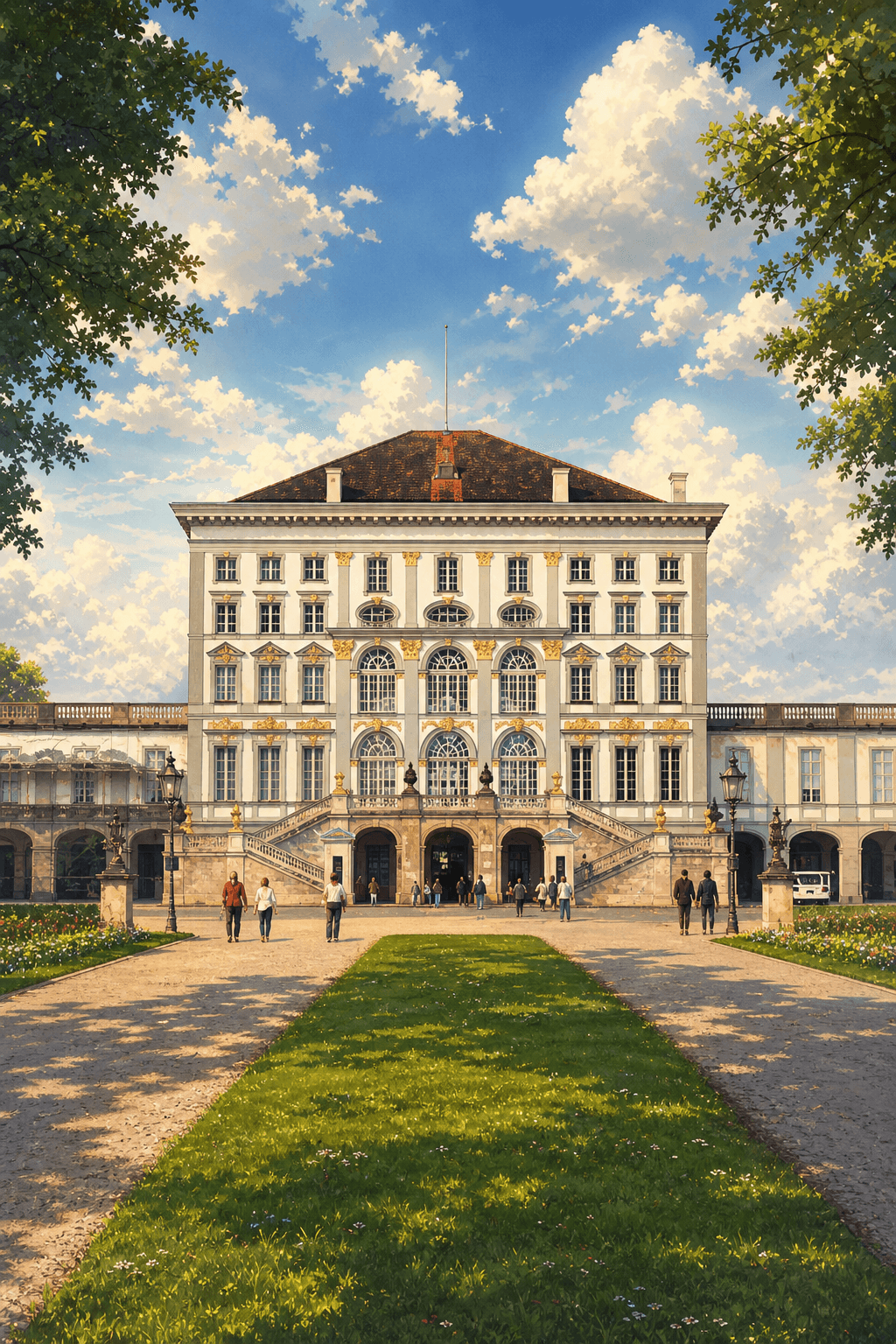
In March 2026, the topic of traffic and mobility was at the center of numerous decisions and debates in Munich. From the future of the Munich Marathon to the expansion of bicycle paths and changes in traffic monitoring – the Mobility Committee made clear statements. This blog post analyzes the most important developments and their impact on the city.
Traffic Policy in Munich: March 2026 – A Summary
Traffic policy in Munich is a central element for the city's future. In March 2026, the responsible bodies, particularly the Mobility Committee, made several key decisions that have both short- and long-term impacts on mobility and the public space. A particular focus was on the further development of infrastructure for individual and public transport, as well as the integration of sports and cultural events into the city's traffic planning.
1. Munich Marathon and Traffic Planning: A New Concept from 2027
The Munich Marathon is not only a sporting highlight but also a major city event that strongly influences traffic planning. In March 2026, the Mobility Committee decided to develop a forward-looking concept for the organization of the marathon from 2027 onward. Central to this were traffic areas, the responsibilities of traffic monitoring, and the selection procedure for event organization.
The change in responsibilities marks a clear realignment: In the future, the city of Munich will play a stronger role as the event organizer, which should optimize coordination with the police and other authorities. This is particularly beneficial for large events such as the marathon, as it improves planning and responsiveness.
2. Bicycle Mobility: Reopening the North-South Crossing of the Old Town
Another focus of traffic policy was bicycle mobility, especially in the Old Town. The SPD faction submitted a motion to reopen the north-south crossing of the Old Town via the Rosental. This motion is part of a broader plan to further develop the bicycle infrastructure in Munich and increase accessibility for cyclists.
Reopening the north-south connection would be a milestone in the city's traffic policy, as it would improve bicycle traffic links through the historical center and thus potentially reduce car traffic. At the same time, it would strengthen the tourism infrastructure and increase the attractiveness of the Old Town as a traffic hub.
3. Urgency Motions and Traffic Trials: Discussions on Martin-Luther-Straße
The Martin-Luther-Straße was a focal point of traffic policy in March 2026. Two urgency motions were discussed: one for the termination of the traffic trial, the other for the removal of the bicycle lane. Both issues reflect the tensions between the interests of pedestrians, cyclists, and motorists.
The debate around the Martin-Luther-Straße shows how sensitive and complex the planning of urban traffic areas is. The city is trying to find a balanced compromise between different road users without endangering the safety or functionality of the street space. The discussions around this street could also serve as a pilot project for future traffic trials in other districts.
4. Hybrid Sessions and Digital Participation: The Mobility Committee in the Digital Age
Another interesting aspect of traffic policy in Munich is the increasing digitalization of municipal political processes. The Mobility Committees were held as hybrid sessions in March 2026, enabling a new form of participation for media, citizens, and interested parties.
This development is not only a step toward more open politics, but also a response to the requirements of the pandemic and digital communication. It shows that the city of Munich is ready to transform itself in administration and politics in order to promote transparency and participation.
Conclusion: A Dynamic Mobility Policy for the Future
March 2026 was an intense month for traffic policy in Munich. The decisions of the Mobility Committee show that the city is actively involved in the future-oriented planning of its traffic space. The topics of bicycle mobility, large events such as the marathon, and digital processes in politics are just a few examples of how multifaceted and dynamic urban traffic policy is.
The challenges remain considerable – not least due to climate change and increasing population density. But with consistent planning, an open discussion, and a future-oriented attitude, Munich can also serve as a model in traffic policy.
NeoSearch analyses public council documents, committee minutes and municipal announcements. Source references appear automatically once verified meeting data is available.
What does this mean for businesses?
Urban development, zoning plans and commercial settlements create early construction and supply opportunities. Following council decisions reveals projects before they go to tender.
Track similar decisions in your region
Set up monitoring for economic development in Bayern — prefilled from this article.
Set up monitoring →More signals from Muenchen
Childcare in Munich: Focused Measures and Investments in April 2026
In April 2026, the State Capital Munich placed greater emphasis on investments in non-municipal childcare facilities and developed new conditions for Cooperative Full-Day Education at elementary schools. The Child and Youth Welfare Committee approved several key measures that will shape the future of childcare in the city.
Read more → Sports Policy in Munich: Focus on Infrastructure and Preservation of Local Associations
In April 2026, Munich saw several important sports policy decisions, affecting both infrastructure and the preservation of local associations. The Sports Committee addressed renovation projects and lease extensions.
Read more → Climate and Environmental Protection in Munich: Deep-Dive April 2026
In April 2026, Munich set new standards in the field of climate and environmental protection. The focus was on the implementation of concrete decisions, the expansion of climate protection programs, and the strengthening of local cooperation. A look at the most important decisions and developments.
Read more →