Looking Back on February 2026: What Matters to Munich Residents
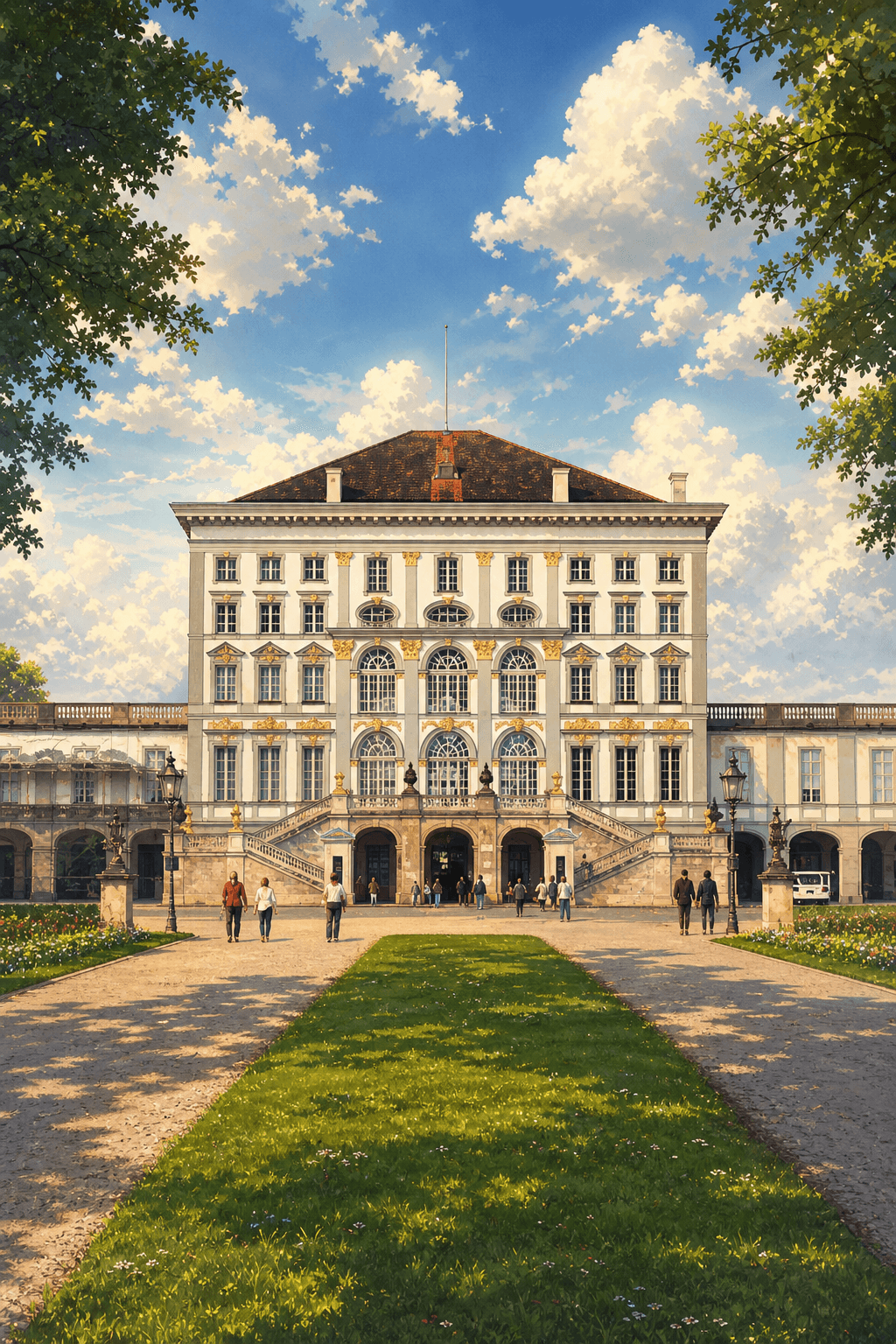
In February 2026, Munich focused on a range of topics directly affecting citizens' lives: from cultural projects and traffic adjustments to climate and financial issues. Here is our monthly review.
What Was Important This Month
- Culture Supported: Numerous cultural projects such as "Märchen im Westpark" and the "Harlachinger Maifest" received funding in February.
- New Mobility Options: Tram line 14 was put into operation, and new bicycle zones were introduced, such as in Sendling.
- Climate Protection Advanced: Green infrastructure measures such as flower planting and micro-forest projects were approved in several districts.
- Strengthened Citizen Participation: Hybrid meetings and digital participation options enabled better involvement.
- Investments in Education and Youth: Funding for kindergartens and youth projects ensured the city's future viability.
- Safety in Public Spaces: Security measures and task forces were established in districts such as Hadern and Giesing.
Mobility: More Bicycle-Friendly, Accessible, and Safe
In February 2026, Munich placed a stronger emphasis on sustainable mobility. Tram line 14 was launched at Laimer Anger, significantly expanding local transportation. At the same time, new bicycle zones were introduced in Sendling and Bogenhausen, and bicycle parking spaces were expanded in several districts.
A further focus was on accessibility and safety. A special parking space for people with severe disabilities was introduced in Giesing, and discussions about noise pollution and parking bans took place in Hadern. Residents' interests were also taken into account in the adjustment of traffic areas and the introduction of 30 km/h zones.
Culture and Education: Moving Forward with Support
Cultural diversity remained a central topic. Numerous projects, such as the "Harlachinger Maifest" and the "Weiße Rose" project, received financial support. In Altstadt-Lehel, a new fire department fog machine was also acquired, which is significant both culturally and in terms of safety.
In the education sector, the renovation of kindergartens and the promotion of youth projects were at the forefront. With the "Construction Cost Subsidy for Non-Municipal Kindergarten Facilities," the city's educational infrastructure was further strengthened. In addition, discussions on democratic education in municipal schools took place.
Climate and Environment: Sustainability as a Priority
Climate resilience was a recurring topic in several districts. In Giesing and Pasing-Obermenzing, measures to adapt to climate change were discussed. Flower plantings for bees, micro-forest projects, and the expansion of drinking water fountains show how concrete steps to strengthen the environment are being implemented.
Another highlight was the pilot project for DNA-based enforcement of dog waste violations, approved in District 9. In addition, applications were submitted for the construction of squirrel bridges and the removal of animal welfare-incompatible pigeon spikes—examples of how Munich is improving the balance between urban life and nature conservation.
Citizen Participation: More Input, More Transparency
Digital and hybrid participation in meetings was expanded in several districts. Webex options for media representatives and email registration for citizens were made available. These measures promote transparency and enable broader participation in municipal decisions.
In addition, several public meetings were planned, including for October 2026. In District 18, for example, barrier-free access and a contact person for people with disabilities were ensured, further strengthening inclusion.
Outlook: March 2026 – What’s Coming Up?
In March 2026, numerous meetings and projects are planned. Important dates include the public sessions of District Committee 1 and 15 as well as the Health and Social Affairs Committee. In addition, further budget decisions and construction plans will be discussed. Citizens can inform themselves about the planned projects and get involved if needed—because Munich is a city where residents actively shape the future.
Conclusion: A Diverse Month with Future Perspectives
February 2026 was a month of diversity in Munich: from cultural projects and sustainable mobility to climate protection and citizen participation. The city is making investments that have an impact not only today but also tomorrow—and in all districts. With clear decisions, transparent processes, and a strong focus on sustainability, Munich is moving confidently into the future.
NeoSearch analyses public council documents, committee minutes and municipal announcements. Source references appear automatically once verified meeting data is available.
What does this mean for businesses?
Municipal council decisions are early indicators: following the council agenda surfaces projects and tenders months before the official award — before they ever reach the procurement portals.
Track similar decisions in your region
Set up monitoring for Culture and Community in Bayern — prefilled from this article.
Set up monitoring →More signals from Muenchen
Childcare in Munich: Focused Measures and Investments in April 2026
In April 2026, the State Capital Munich placed greater emphasis on investments in non-municipal childcare facilities and developed new conditions for Cooperative Full-Day Education at elementary schools. The Child and Youth Welfare Committee approved several key measures that will shape the future of childcare in the city.
Read more → Sports Policy in Munich: Focus on Infrastructure and Preservation of Local Associations
In April 2026, Munich saw several important sports policy decisions, affecting both infrastructure and the preservation of local associations. The Sports Committee addressed renovation projects and lease extensions.
Read more → Climate and Environmental Protection in Munich: Deep-Dive April 2026
In April 2026, Munich set new standards in the field of climate and environmental protection. The focus was on the implementation of concrete decisions, the expansion of climate protection programs, and the strengthening of local cooperation. A look at the most important decisions and developments.
Read more →