Munich in January 2026: Urban Development and Construction Industry in Focus
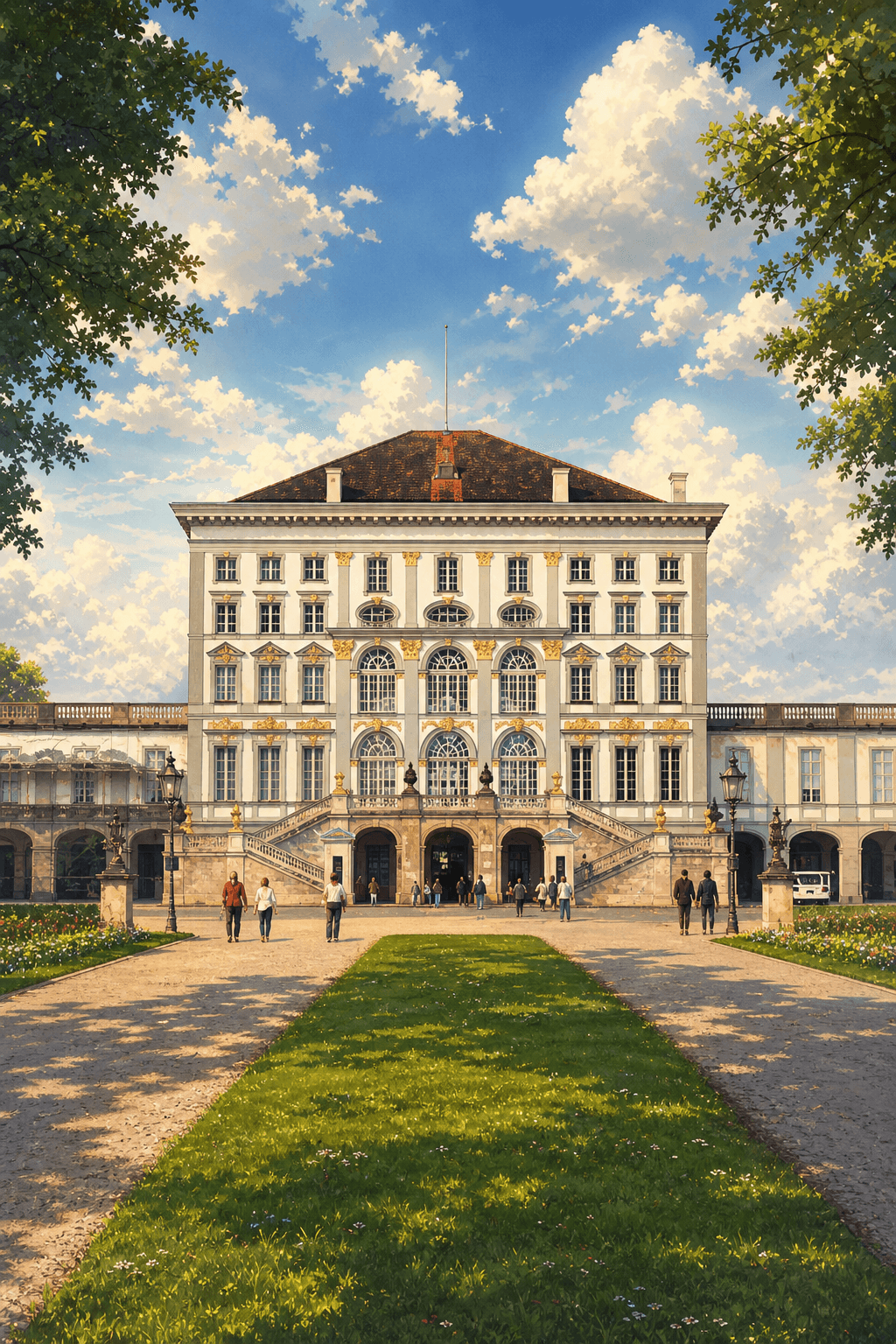
In January 2026, the city of Munich focused intensively on topics related to urban development, construction planning, and infrastructure. Numerous construction projects, building permits, and strategic plans illustrate how the Bavarian metropolis is shaping its urban future. An overview of the most important decisions and developments.
Urban Development in Munich: January 2026 in Focus
Munich is in motion. In January 2026, numerous developments in the fields of urban planning, construction, and infrastructure were in the spotlight. The city capital of Bavaria implemented a variety of measures to meet housing demand, optimize transportation infrastructure, and advance climate protection. Below, we analyze the most important topics, decisions, and backgrounds.
Housing Promotion and Building Legislation
A central topic was housing promotion, particularly in the context of the socially fair land-use concept (SoBoN) and subsidized rental housing construction. The city presented reports showing progress in the creation of affordable housing. At the same time, the 2025 Building Code Amendment (BauGB-Novelle) was discussed, which, under the term "BauTurbo," opens new ways for faster and more flexible housing construction.
This amendment brings changes to the Building Code (BauGB), aiming to shorten approval procedures and simplify processes. It is part of a broader strategy to combat housing shortages in German cities—including Munich.
Construction Program and Building Measures
Munich implemented a broad construction program in January 2026, covering new housing developments as well as renovations and conversions. Numerous new construction projects were approved or initiated, including:
- The construction of a wooden high-rise at Bauseweinallee 100, considered a pilot project for sustainable high-rise construction.
- The construction of an archery hall at Aubinger Straße 12, financially supported by the federal program for the renovation of municipal sports facilities.
- The replacement of artificial turf fields with alternative artificial turf systems to reduce environmental impact.
- The construction of kindergartens, for example at Rhea-Lüst-Str. 27, integrated into the user demand program.
These measures show how the city is responding to short-term needs while planning for long-term development.
Zoning and Green Space Planning
Another focus was on zoning and green space planning. The zoning plan with green space planning No. 2147 for the PaketPost site and the zoning plan with green space planning No. 2197 for the Pasinger Heuweg were approved. Both plans integrate urban green spaces into new residential and commercial areas to improve quality of life and promote climate resilience.
In addition, the tree protection ordinance was renewed to better protect the city's trees and preserve biodiversity. In Neupasing, shade-providing trees were planted in new residential areas, highlighting the climate adaptation of urban districts.
Traffic and Mobility
Mobility remained an important topic. In the Nordendstraße, there was a temporary closure, and at the Königsplatz stop, seating areas were newly installed. In addition, 30 km/h zones were expanded and parking permit areas, such as in Pasing Süd, were redefined.
The TramWestTangente was also in focus. Construction phases in Fürstenrieder Straße and Gotthardstraße were continued, leading to detours and construction sites. At the same time, solutions for micro-mobility in Laim and additional bike paths were planned to advance the "Vision Zero" strategy.
Future of Urban Development
The city of Munich is continuously working on the further development of the urban development concept "Perspektive München". This concept aims for sustainable, climate-friendly, and socially just urban development. In January 2026, it was strategically further developed and embedded in various thematic guidelines, including climate, environment, and global responsibility.
The multi-year investment programs (2025–2029) were updated, and the program adjustment "Wohnen in München VII" was also approved. These measures show how the city is concretely implementing its long-term goals.
Conclusion: A City in Transition
January 2026 was a monthly milestone in Munich's urban development. Numerous construction projects, planning initiatives, and strategic decisions demonstrate how the city is responding to the challenges of housing shortages, climate change, and social justice. The combination of new construction, renovation, green space integration, and mobility development makes Munich a model for urban development in the 21st century.
With the implementation of the 2025 Building Code Amendment and the further development of the urban development concept, Munich has shown that it is ready to take responsibility for the future—not only for its 1.5 million residents, but also for the environment.
NeoSearch analyses public council documents, committee minutes and municipal announcements. Source references appear automatically once verified meeting data is available.
What does this mean for businesses?
Urban development, zoning plans and commercial settlements create early construction and supply opportunities. Following council decisions reveals projects before they go to tender.
Track similar decisions in your region
Set up monitoring for economic development in Bayern — prefilled from this article.
Set up monitoring →More signals from Muenchen
Childcare in Munich: Focused Measures and Investments in April 2026
In April 2026, the State Capital Munich placed greater emphasis on investments in non-municipal childcare facilities and developed new conditions for Cooperative Full-Day Education at elementary schools. The Child and Youth Welfare Committee approved several key measures that will shape the future of childcare in the city.
Read more → Sports Policy in Munich: Focus on Infrastructure and Preservation of Local Associations
In April 2026, Munich saw several important sports policy decisions, affecting both infrastructure and the preservation of local associations. The Sports Committee addressed renovation projects and lease extensions.
Read more → Climate and Environmental Protection in Munich: Deep-Dive April 2026
In April 2026, Munich set new standards in the field of climate and environmental protection. The focus was on the implementation of concrete decisions, the expansion of climate protection programs, and the strengthening of local cooperation. A look at the most important decisions and developments.
Read more →