Munich in January 2026 – Focus on Traffic, Climate, and Culture
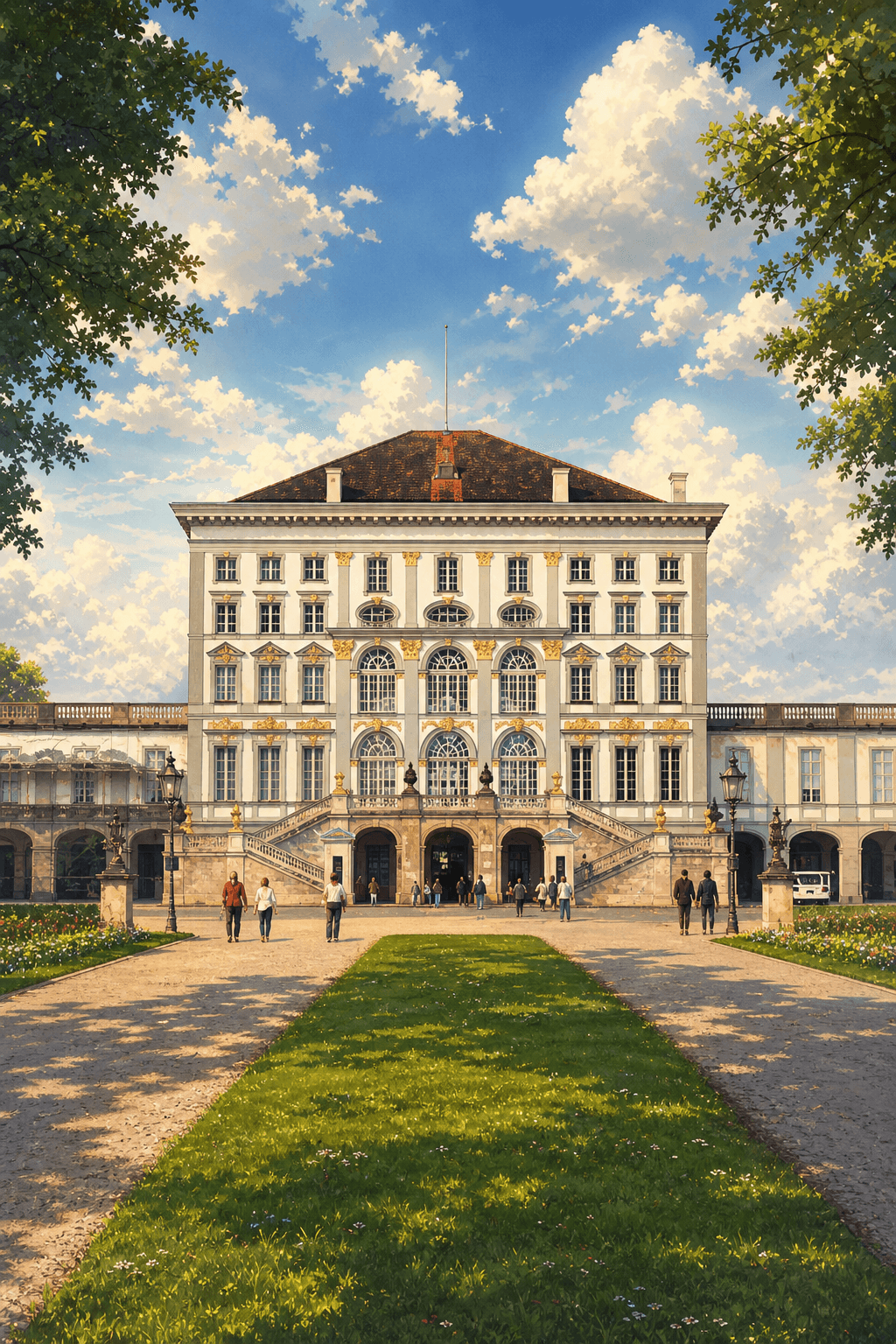
In January 2026, Munich focused on traffic safety, climate protection, cultural promotion, and urban planning. Numerous proposals were discussed, but few decisions were made. Here is an overview of the most important topics.
Traffic Safety and Mobility in the Spotlight
In January 2026, several districts and committees engaged intensively with issues of traffic safety and mobility. In District Committees 08 and 13, proposals were submitted to convert car parking spaces into bicycle parking spaces and to expand 30 km/h zones. The Mobility Committee discussed a roadmap for "Urban Logistics," which is intended to become a permanent part of the Mobility Strategy 2035 in the coming years.
In addition, safety measures at intersections and at schools, such as the Ernst-Reuter Primary School, were approved. The expansion of the bicycle traffic network remained a priority, especially in districts 08 and 13. A special proposal from District Committee 18 called for a heavily subsidized Germany-wide ticket for people with low incomes – a topic that will continue to be discussed by many Munich residents in the coming year.
Housing and Urban Development: Construction Projects and Renovations
In the area of housing and urban development, several construction plans and renovation projects advanced. In District Committees 15 and 21, new construction projects, including housing complexes with underground garages, were discussed. In District Committee 03, the mobilization of construction land and the creation of socially oriented urban districts were addressed, while District Committee 09 passed a preservation ordinance for affordable housing.
Another focus was on ensuring changes to land use plans, which in several districts are expected to pave the way for new housing projects. In District Committee 12, discussions also took place on district heating plans and tree protection – issues that will be crucial for climate-friendly urban development in the coming year.
Culture and Social Affairs: Promotion and Inclusion
Cultural projects and social initiatives remained a central topic in January as well. Numerous city districts submitted funding applications for theater productions, festivals, and youth projects. For example, District Committees 03 and 21 approved funding for girls' football projects and initiatives for the integration of refugee parents. In the Social Committee, a concept for youth parties and reforms to the occupancy rights program were discussed.
Another highlight was the support for projects such as "Mädchen an den Ball!" and "Artist Talk," which are to be implemented more intensively in the coming year. Cultural education and inclusion projects were also addressed in several committees – a sign of the diversity of Munich's cultural landscape.
Climate Protection and the Environment: Progress and Challenges
Climate protection remained a central topic in several committees. In District Committees 13 and 23, the revision of the Ecology Expert Guideline was discussed, which is to focus more strongly on global responsibility in the future. In District Committees 16 and 21, proposals for tree care and the creation of squirrel bridges were debated, while in District Committee 12, bee-friendliness and climate protection measures were in the spotlight.
Another issue was the implementation of the master plan "Solares München," the progress of which was reported in the Climate and Environment Committee. In addition, pilot funding for circular construction was discussed – a step toward sustainable urban development.
Outlook: What Remains?
January 2026 showed that Munich is actively working in several areas to create a livable city life. Particularly traffic safety, cultural promotion, and climate protection were in the focus. Although many proposals were discussed, concrete decisions were often lacking. This shows that political processes in the city continue to rely on transparency and public participation.
It will be interesting to observe in February whether the discussed projects move into implementation and whether new initiatives for greater climate friendliness and inclusion emerge. Citizens and interested parties should continue to pay attention to the publicly accessible meeting minutes and agendas – because the future of Munich is shaped in the districts and committees.
NeoSearch analyses public council documents, committee minutes and municipal announcements. Source references appear automatically once verified meeting data is available.
What does this mean for businesses?
Municipal heat planning, photovoltaics and climate measures create early project indicators. Following council decisions surfaces sites and tenders before they are publicly advertised.
Track similar decisions in your region
Set up monitoring for environment & climate in Bayern — prefilled from this article.
Set up monitoring →More signals from Muenchen
Childcare in Munich: Focused Measures and Investments in April 2026
In April 2026, the State Capital Munich placed greater emphasis on investments in non-municipal childcare facilities and developed new conditions for Cooperative Full-Day Education at elementary schools. The Child and Youth Welfare Committee approved several key measures that will shape the future of childcare in the city.
Read more → Sports Policy in Munich: Focus on Infrastructure and Preservation of Local Associations
In April 2026, Munich saw several important sports policy decisions, affecting both infrastructure and the preservation of local associations. The Sports Committee addressed renovation projects and lease extensions.
Read more → Climate and Environmental Protection in Munich: Deep-Dive April 2026
In April 2026, Munich set new standards in the field of climate and environmental protection. The focus was on the implementation of concrete decisions, the expansion of climate protection programs, and the strengthening of local cooperation. A look at the most important decisions and developments.
Read more →