Munich April 2026: Mobility, Housing, and Finance in Focus
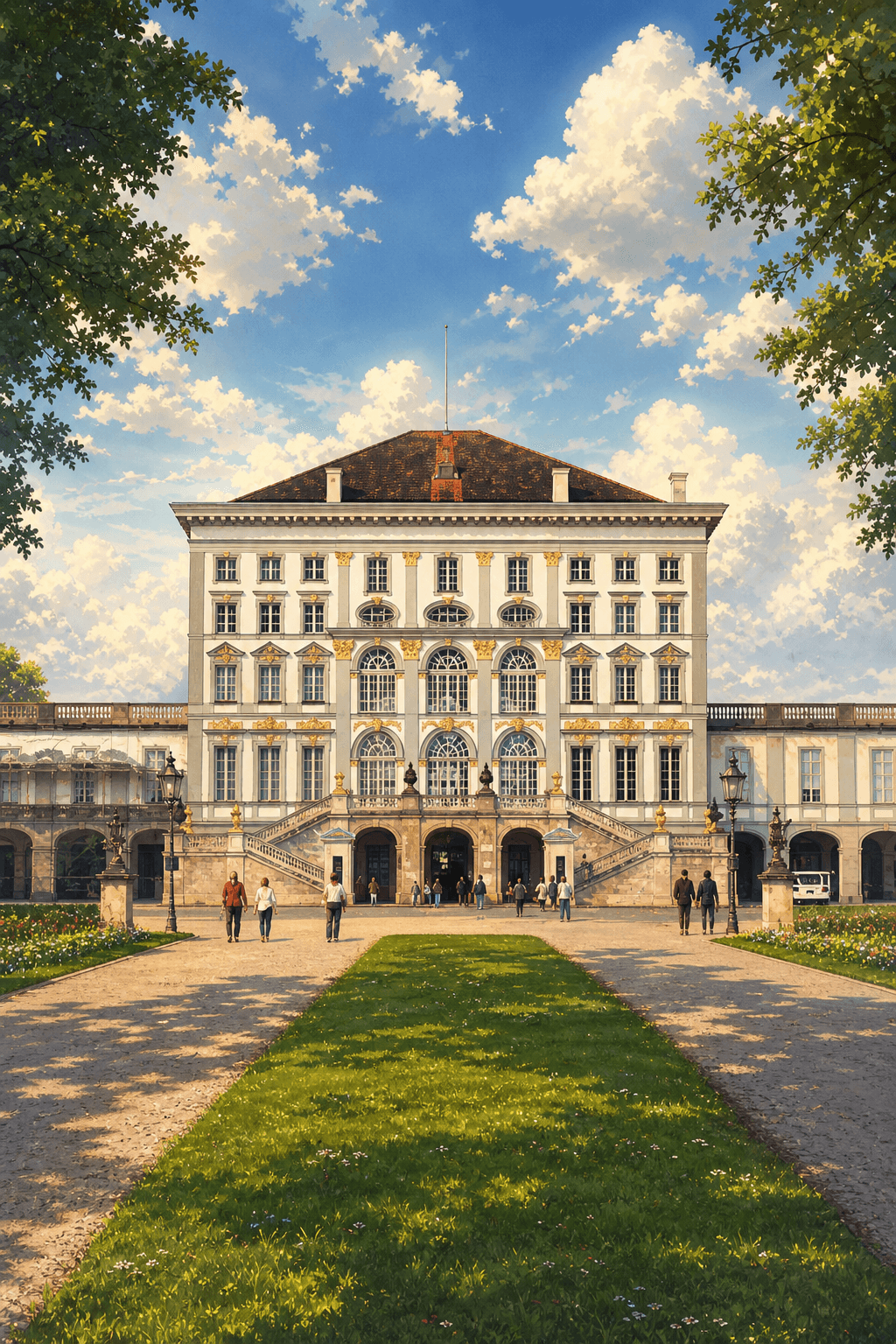
In April 2026, mobility, housing, and finance were central to political debates in Munich. Here is the monthly review with the most important decisions and developments.
Living in Motion: Mobility and Traffic
What was important this month
- Revised taxi tariffs: A new tariff structure for taxi drivers was adopted to ensure social standards and economic stability.
- Minimum prices for car rentals: Platforms such as Uber must now adhere to minimum prices to ensure fair payment for drivers and clarity for passengers.
- Improved cycling infrastructure: Green turning arrows for cyclists were installed in Schwabing West. In several districts such as Allach-Untermenzing and Giesing, bicycle safety measures were discussed.
- Speed reduction: 30 km/h zones were introduced or discussed in Parzivalstraße and Pilgersheimer Straße to increase safety in residential areas.
Traffic Policy and Sustainability
The city is increasingly focusing on a mobility transition. In several districts, 30 km/h zones were expanded and bicycle safety measures were adopted. In Schwabing West and Giesing, cycling is actively promoted, which also improves the city's environmental footprint. The discussion about extending U-Bahn Line 5 to Pasing shows how closely urban development is linked to transport connectivity.
Housing and Urban Development: Investments and Planning
What was important this month
- Renovation of a residential garage: The Donnersbergerstraße benefits from a complete renovation of the garage.
- New construction in Allach-Untermenzing: 256 new housing units were approved, including a multi-family house on Riederstraße.
- Changes to zoning plans: In several districts, zoning plans were updated to coordinate urban development and sustainability.
- Residents' initiative in Thalkirchen: A campaign against high-rise buildings on the PaketPost site was discussed.
Housing and Citizen Participation
The city is making significant investments in housing, particularly in fast-growing districts such as Allach-Untermenzing and Pasing. At the same time, citizen participation is being taken seriously: Thalkirchen intensely discussed a residents' initiative regarding the PaketPost site. The rejection of stock-linked energy contracts in Thalkirchen shows that political decision-makers are paying attention to transparency and sustainability.
Finance and Culture: Budget and Funding
What was important this month
- Cultural and educational grants: Over 948,000 euros were allocated to initiatives in Munich, including the Regenbogenfest, Kino Open Air, and the treibgut Street Festival.
- Budget decisions: In several districts, budget proposals were approved that support cultural, social, and sports projects.
- Funding for education: A media project at a primary school on Herrnstraße received 720 euros in support. Music scholarships and other awards were also granted.
Culture and Financial Planning
Munich remains financially strong in the cultural sector. The city supports not only large festivals such as Superbloom, but also local initiatives such as the Munich Paper Theater Festival. The financial security provided for educational projects is another signal that Munich sees education as a central building block for the future.
Environment and Climate: Trees, Flowers, and District Heating
What was important this month
- Tree protection measures: In several districts, trees were protected and replanting was approved.
- Flower strips for bees: A flower strip was approved along the Tegernseer Landstraße.
- District heating projects: New district heating projects are starting in Theodor-Kitt-Straße and the Kirschgärten.
- Climate protection regulations: A nature conservation ordinance for the Moosschwaige area was issued.
Climate and Sustainability in Practice
Munich is pursuing climate protection on multiple levels. The city promotes flower strips for bees, protects trees, and invests in district heating. The nature conservation ordinance for the Moosschwaige is another example of how the protection of local flora and fauna is integrated into urban planning.
What Remains: Stability, Participation, and Vision
The political decisions of April 2026 show a pattern of stability, participation, and long-term planning. Whether in the areas of mobility, housing, or culture – Munich is investing in the future without losing sight of its citizens' interests. The debate over 30 km/h zones, the expansion of the U-Bahn, or residents' initiatives clearly shows that the city is responding to the needs of its population on multiple levels. What remains is the expectation that these developments will continue in the coming months – with clear goals and strong citizen participation.
NeoSearch analyses public council documents, committee minutes and municipal announcements. Source references appear automatically once verified meeting data is available.
What does this mean for businesses?
Municipal council decisions are early indicators: following the council agenda surfaces projects and tenders months before the official award — before they ever reach the procurement portals.
Track similar decisions in your region
Set up monitoring for kommunale Projekte in Bayern — prefilled from this article.
Set up monitoring →More signals from Muenchen
Childcare in Munich: Focused Measures and Investments in April 2026
In April 2026, the State Capital Munich placed greater emphasis on investments in non-municipal childcare facilities and developed new conditions for Cooperative Full-Day Education at elementary schools. The Child and Youth Welfare Committee approved several key measures that will shape the future of childcare in the city.
Read more → Sports Policy in Munich: Focus on Infrastructure and Preservation of Local Associations
In April 2026, Munich saw several important sports policy decisions, affecting both infrastructure and the preservation of local associations. The Sports Committee addressed renovation projects and lease extensions.
Read more → Climate and Environmental Protection in Munich: Deep-Dive April 2026
In April 2026, Munich set new standards in the field of climate and environmental protection. The focus was on the implementation of concrete decisions, the expansion of climate protection programs, and the strengthening of local cooperation. A look at the most important decisions and developments.
Read more →