Climate Protection in Munich: Focus on Wastewater Infrastructure and Climate Neutrality
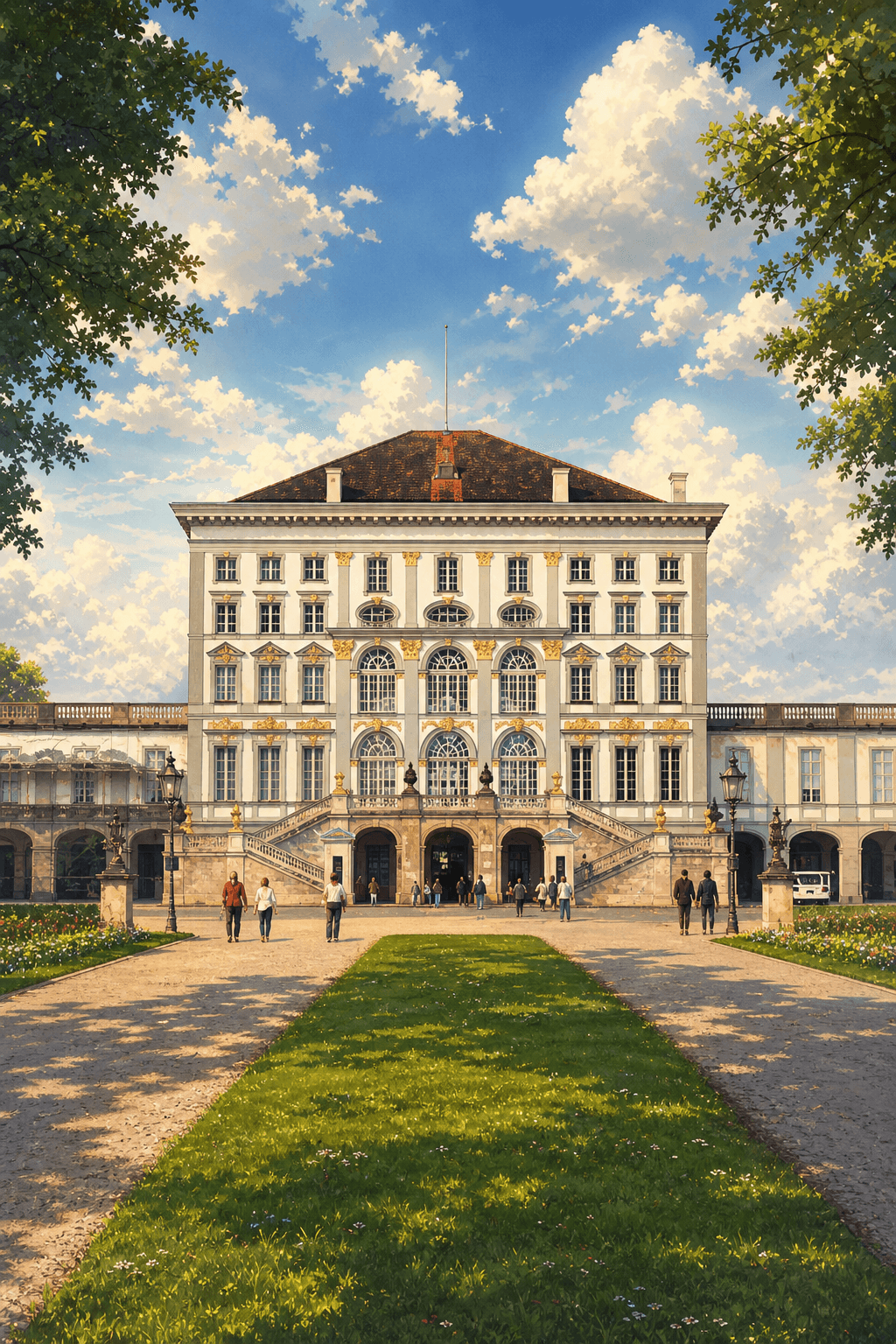
In February 2026, Munich prioritized decisions on modernizing its wastewater infrastructure and coordinating between municipal utilities. The Climate and Environmental Protection Committee especially emphasized long-term sustainability goals.
Climate Protection in Munich: Modernization of Wastewater Infrastructure as a Key to Climate Neutrality
Munich has set itself the goal of becoming climate neutral by 2040. A crucial part of this strategy is the continuous modernization of municipal infrastructure – especially wastewater treatment. In February 2026, important decisions were made in this area that affect not only technical, but also financial and cooperative aspects.
Modernization of the Gut Marienhof Wastewater Treatment Plant – Step by Step
The Gut Marienhof wastewater treatment plant is one of the key facilities of the Munich municipal drainage system. In February 2026, the first construction phase of the modernization of the mechanical cleaning process was approved. This step is part of a comprehensive modernization program aimed at increasing the efficiency of wastewater treatment and reducing energy consumption.
The modernization includes new filtration technology, improved heavy metal removal, and optimized control of the cleaning processes. The goal is to reduce CO₂ emissions from wastewater treatment and at the same time make the operation more energy-efficient. The first construction phase is a milestone on the way to climate-neutral wastewater treatment in Munich.
Cooperation between Municipal Utilities: Benefits Sharing in Tramway Construction Projects
Another central topic in the Climate and Environmental Protection Committee was the cooperation between the Munich Municipal Drainage System and the Munich Utilities Company (Stadtwerke München GmbH). Both companies work closely together to exploit potential benefits arising from shared infrastructure in tramway construction projects.
The regulations regarding the so-called "benefits sharing" refer to the use of free spaces that could arise from tramway construction projects. For example, this includes the integration of stormwater management solutions into tram construction, in order to save costs in the long term and increase the city's climate resilience.
This cooperation is an example of the internal coordination required in Munich to achieve climate goals. It also shows how different municipal companies can work together towards a shared vision.
The Climate and Environmental Protection Committee: Structure and Responsibility
The Climate and Environmental Protection Committee is a central body in the Munich municipal administration, chaired since the electoral period 2020–2026 by Dominik Krause. Responsibility lies with the Department for Climate and Environmental Protection, headed by Berufm. StRin Kugler.
In February 2026, decisions on the modernization of the wastewater infrastructure and coordination with the municipal utilities were in the focus. The committee not only has technical, but also financial and strategic responsibilities. In particular, the approval of multi-million euro investments requires careful examination to ensure long-term sustainability and financial stability.
Outlook: Sustainability as a Long-Term Challenge
The decisions made in February 2026 are part of a larger plan that puts climate protection at the center of Munich's agenda. The modernization of wastewater treatment is not only a technical project, but also a symbol of the city's willingness to invest in the future.
The cooperation with other municipal companies such as the municipal utilities shows that climate protection cannot be carried out in isolation, but must be designed in connected structures. The coming months will show how far the modernization measures will progress and whether the planned synergies between different departments can actually be implemented in practice.
Munich has set a clear course with these steps: Sustainability and climate protection are not only political goals, but also economic imperatives.
NeoSearch analyses public council documents, committee minutes and municipal announcements. Source references appear automatically once verified meeting data is available.
What does this mean for businesses?
Municipal heat planning, photovoltaics and climate measures create early project indicators. Following council decisions surfaces sites and tenders before they are publicly advertised.
Track similar decisions in your region
Set up monitoring for environment & climate in Bayern — prefilled from this article.
Set up monitoring →More signals from Muenchen
Childcare in Munich: Focused Measures and Investments in April 2026
In April 2026, the State Capital Munich placed greater emphasis on investments in non-municipal childcare facilities and developed new conditions for Cooperative Full-Day Education at elementary schools. The Child and Youth Welfare Committee approved several key measures that will shape the future of childcare in the city.
Read more → Sports Policy in Munich: Focus on Infrastructure and Preservation of Local Associations
In April 2026, Munich saw several important sports policy decisions, affecting both infrastructure and the preservation of local associations. The Sports Committee addressed renovation projects and lease extensions.
Read more → Climate and Environmental Protection in Munich: Deep-Dive April 2026
In April 2026, Munich set new standards in the field of climate and environmental protection. The focus was on the implementation of concrete decisions, the expansion of climate protection programs, and the strengthening of local cooperation. A look at the most important decisions and developments.
Read more →