Youth Parties in Munich: How the City is Rethinking Youth Leisure
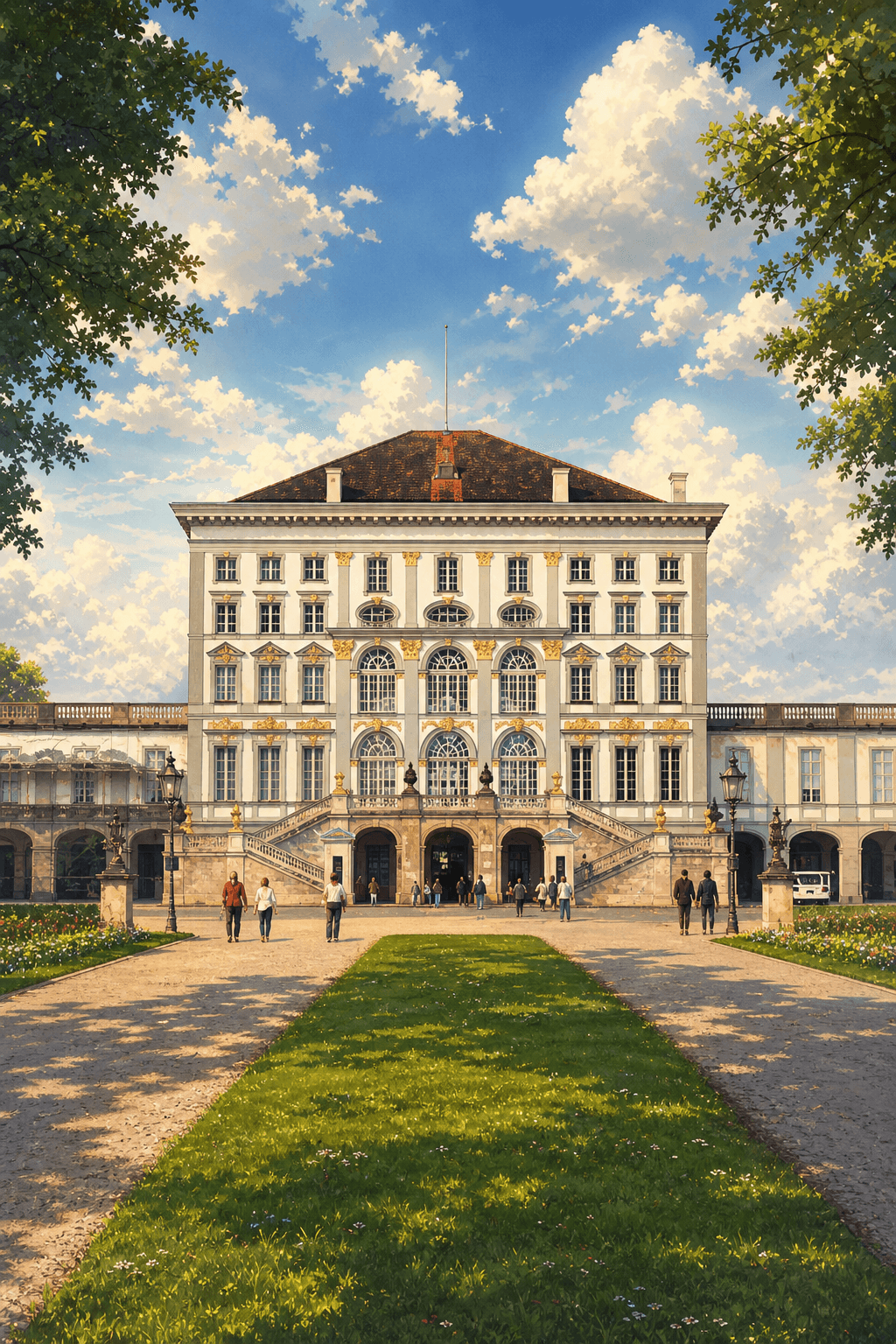
In March 2026, Munich will intensively discuss the topic of youth parties in public spaces. The Children and Youth Welfare Committee is evaluating a concept for the so-called Munich Urban Celebrations (MUCs). In this blog post, we analyze the background, political initiatives, and potential consequences for the city's youth policy.
Youth and Public Space: A New Strategy?
Youth aged 14 to 25 are a central target group for urban policy, as they set both social and cultural impulses. In Munich, a city with over 1.5 million residents, the question of how youth can meaningfully and safely spend their leisure time in public spaces has never been more relevant. In March 2026, the focus is on a project: the evaluation of the so-called Munich Urban Celebrations (MUCs).
The Initiative: A Concept for Youth Parties in Public Spaces
Developing and testing a concept for youth parties in public spaces is not only a response to youth demand for social meeting places but also an attempt to position the city as a livable and youth-friendly location.
The MUCs are a pilot project that enables youth parties under municipal supervision and within limited frameworks. The goal is to deter youth from illegal gatherings while also promoting their creativity and initiative.
The evaluation of this concept will be discussed at a public session of the Children and Youth Welfare Committee on March 10, 2026. The proposers are a broad coalition of city council factions – from the Greens to the CSU – underscoring the extent of interest in youth-friendly urban planning.
Background: Why Is This Topic Relevant?
The idea of allowing youth parties in public spaces is based on several social and political trends:
- Increasing Demand for Youth-Friendly Offers: A study by the City of Munich (2024) found that over 60% of Munich's youth wish for more official leisure-time offers supported by the city.
- Issue of Illegality: Young people often organize parties in empty buildings or parks, which can lead to safety issues and disturbances. The city sees this as an opportunity to regulate and manage the situation.
- City Branding Strategy: The City of Munich wants to be perceived as young, creative, and livable. Youth parties can help strengthen this brand.
Criticism and Challenges
Despite the broad political support, there is also criticism of the concept. Some concerns include:
- Noise Disturbance: The neighborhoods around event locations can be affected by noise.
- Resource Consumption: Organizing and supervising such events requires staff and financial resources.
- Exclusivity: Not all youth have access to such parties, which could exacerbate social inequality.
The evaluation of the MUCs will therefore also show whether the concept can serve as a sustainable solution or whether adjustments are needed.
Outlook: What Comes After the Evaluation?
The discussion in March 2026 will be decisive in determining whether the MUCs concept will be expanded on a broader scale. Possible scenarios include:
- Successful Evaluation: The concept could then be established as a permanent part of youth policy, with fixed dates, financial support, and municipal supervision.
- Hybrid Form: Partial success could lead to a combination of official parties and other formats, such as youth cafés or mobile party afternoons.
- Cancellation: If the evaluation yields negative feedback, other strategies may be considered.
Conclusion: A Step in the Right Direction?
The MUCs initiative is a bold attempt to actively include youth in urban development. It shows that Munich is ready to take youth lifestyles seriously – while also maintaining safety and order in public spaces. Whether the concept will have long-term viability will only become clear after the evaluation. But even the discussion about youth-friendly parties is a sign of a city that is aware of its young generation.
NeoSearch analyses public council documents, committee minutes and municipal announcements. Source references appear automatically once verified meeting data is available.
What does this mean for businesses?
Municipal council decisions are early indicators: following the council agenda surfaces projects and tenders months before the official award — before they ever reach the procurement portals.
Track similar decisions in your region
Set up monitoring for Culture and Community in Bayern — prefilled from this article.
Set up monitoring →More signals from Muenchen
Childcare in Munich: Focused Measures and Investments in April 2026
In April 2026, the State Capital Munich placed greater emphasis on investments in non-municipal childcare facilities and developed new conditions for Cooperative Full-Day Education at elementary schools. The Child and Youth Welfare Committee approved several key measures that will shape the future of childcare in the city.
Read more → Sports Policy in Munich: Focus on Infrastructure and Preservation of Local Associations
In April 2026, Munich saw several important sports policy decisions, affecting both infrastructure and the preservation of local associations. The Sports Committee addressed renovation projects and lease extensions.
Read more → Climate and Environmental Protection in Munich: Deep-Dive April 2026
In April 2026, Munich set new standards in the field of climate and environmental protection. The focus was on the implementation of concrete decisions, the expansion of climate protection programs, and the strengthening of local cooperation. A look at the most important decisions and developments.
Read more →