Governance and Administration in Munich – How Decisions Are Made and Supported
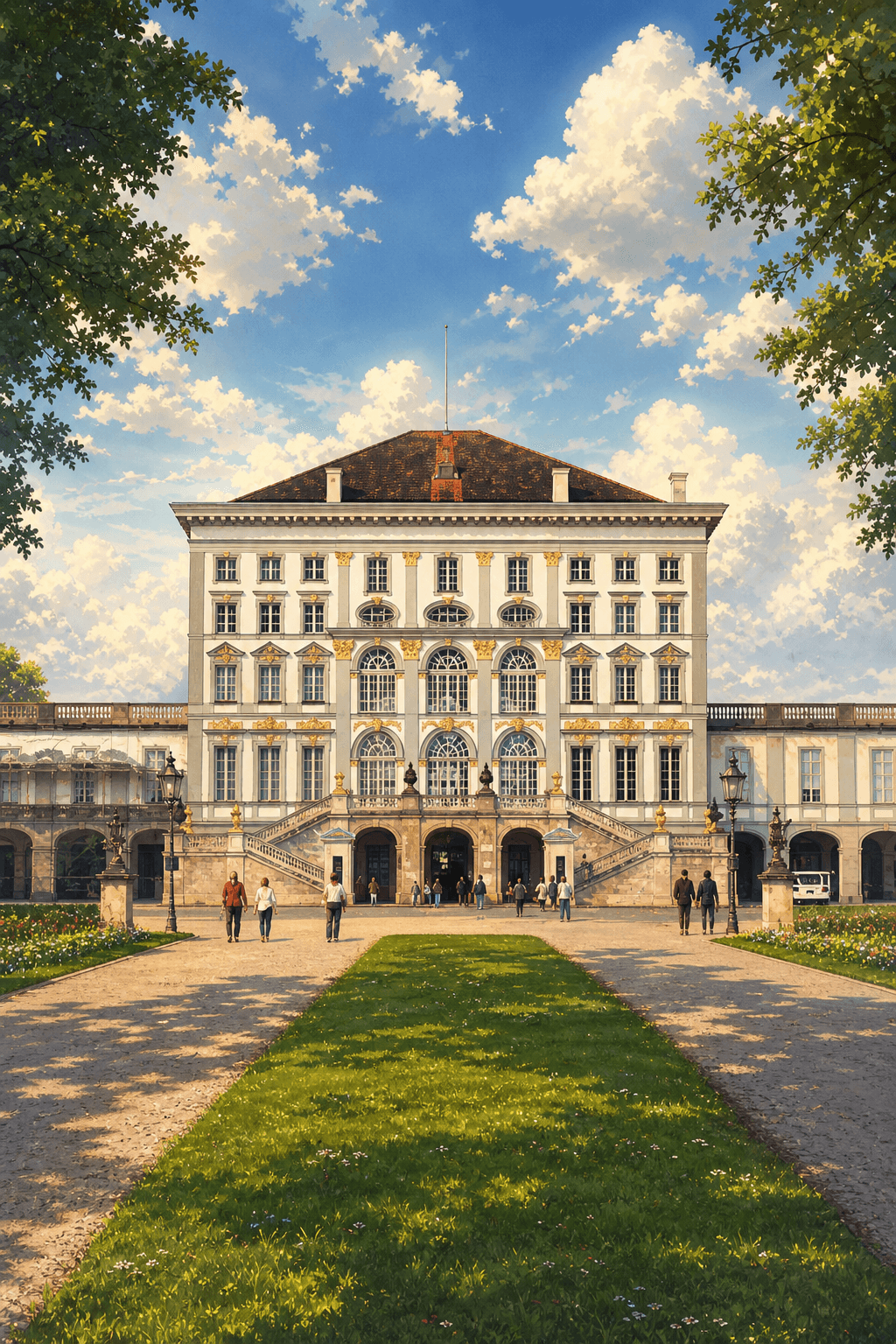
In Munich's district committees, city politics are decided in detail. In March 2026, among other things, the organization of meetings, budget management, construction projects, and citizen participation were in focus. This blog article analyzes how governance works in Munich – and what will be important in the future.
Governance and Administration in Munich: How Decision-Making Structures Work
Munich is not only one of the largest cities in Germany, but also a model for transparent and citizen-oriented administration. Local decisions that directly influence the quality of life of citizens are made in the district committees. In March 2026, several topics were in focus, showing how governance and administration function in the state capital – and where challenges remain.
Meeting Organization and Transparency
The organization of district committee meetings is a central aspect of governance in Munich. In March 2026, there were several status changes regarding the release of meeting documents – between “minutes” and “TO released.” This shows how sensitively the administration handles transparency. At the same time, the Hadern district committee had no own motions or letters to the city administration in March, indicating a certain standstill.
Chair Dr. Renate Unterberg and the Hadern district committee team relied on a clear structure with fixed dates and meeting locations. This is crucial for building trust in local political work.
Budget and Investments: Where Money Flows
Financial administration is a central pillar of governance. In the district of Hadern, several projects were approved from the district budget in 2026 – including a "Musical Participation Theater" and a "New Kitchen Tent" for just over 1,000 euros. Another project was the establishment of a community room in Ludlstraße for 4,482 euros. These investments show how the city administration supports local culture and community life.
Additionally, proof of expenditure was confirmed for several projects, including the Schäfflertanz and a concert on the theme of "Baroque.Sound.Magic." These processes emphasize the importance of traceability – a central aspect for building trust between citizens and the administration.
Citizen Participation and Communication
Citizen participation is another core element of governance in Munich. Several districts offered public meetings, and in some cases even live streams. This is especially important in the digital age to broaden participation. For example, a meeting in the district of Schwabing-Freimann was broadcast via www.ba12.org – a model that could be adopted in other districts.
At the same time, there were also specific citizen concerns addressed in the meetings – from questions about parking spaces to applications for 30 km/h zones. In these cases, the administration responded with concrete measures, such as the establishment of no-parking zones or the planning of zebra crossings.
Future of Governance: Digitalization, Sustainability, and Participation
The administration in Munich faces new challenges. In March 2026, several motions on digitalization were discussed, including the establishment of digitalization managers and the continuation of the e- and open-government approach. These measures are crucial for making the administration more efficient and transparent.
There were also advances in the field of sustainability. Motions were debated on the expansion of zebra crossings, the creation of drinking stations for wildlife, and the use of non-listed energy contracts. These topics show how governance in Munich also plays a role in climate protection.
Conclusion: Governance as a Process of Shaping
Governance in Munich is not a static process, but a dynamic exchange between administration, politics, and citizens. The district committees are the central places where decisions are made and debates are held. In March 2026, topics such as budget, citizen participation, and sustainability were in the foreground.
What remains is the understanding that governance is not only about making decisions, but also about how these decisions are made and communicated. In a city like Munich, which sees itself as citizen-friendly and transparent, this is more important than ever.
NeoSearch analyses public council documents, committee minutes and municipal announcements. Source references appear automatically once verified meeting data is available.
What does this mean for businesses?
Town halls, fire stations, depots and administrative buildings create early construction and refurbishment opportunities. Following council agendas reveals projects before they go to tender.
Track similar decisions in your region
Set up monitoring for public buildings & administration in Bayern — prefilled from this article.
Set up monitoring →More signals from Muenchen
Childcare in Munich: Focused Measures and Investments in April 2026
In April 2026, the State Capital Munich placed greater emphasis on investments in non-municipal childcare facilities and developed new conditions for Cooperative Full-Day Education at elementary schools. The Child and Youth Welfare Committee approved several key measures that will shape the future of childcare in the city.
Read more → Sports Policy in Munich: Focus on Infrastructure and Preservation of Local Associations
In April 2026, Munich saw several important sports policy decisions, affecting both infrastructure and the preservation of local associations. The Sports Committee addressed renovation projects and lease extensions.
Read more → Climate and Environmental Protection in Munich: Deep-Dive April 2026
In April 2026, Munich set new standards in the field of climate and environmental protection. The focus was on the implementation of concrete decisions, the expansion of climate protection programs, and the strengthening of local cooperation. A look at the most important decisions and developments.
Read more →