March 2026: Budget Consolidation, Integration, and Traffic Planning in Focus
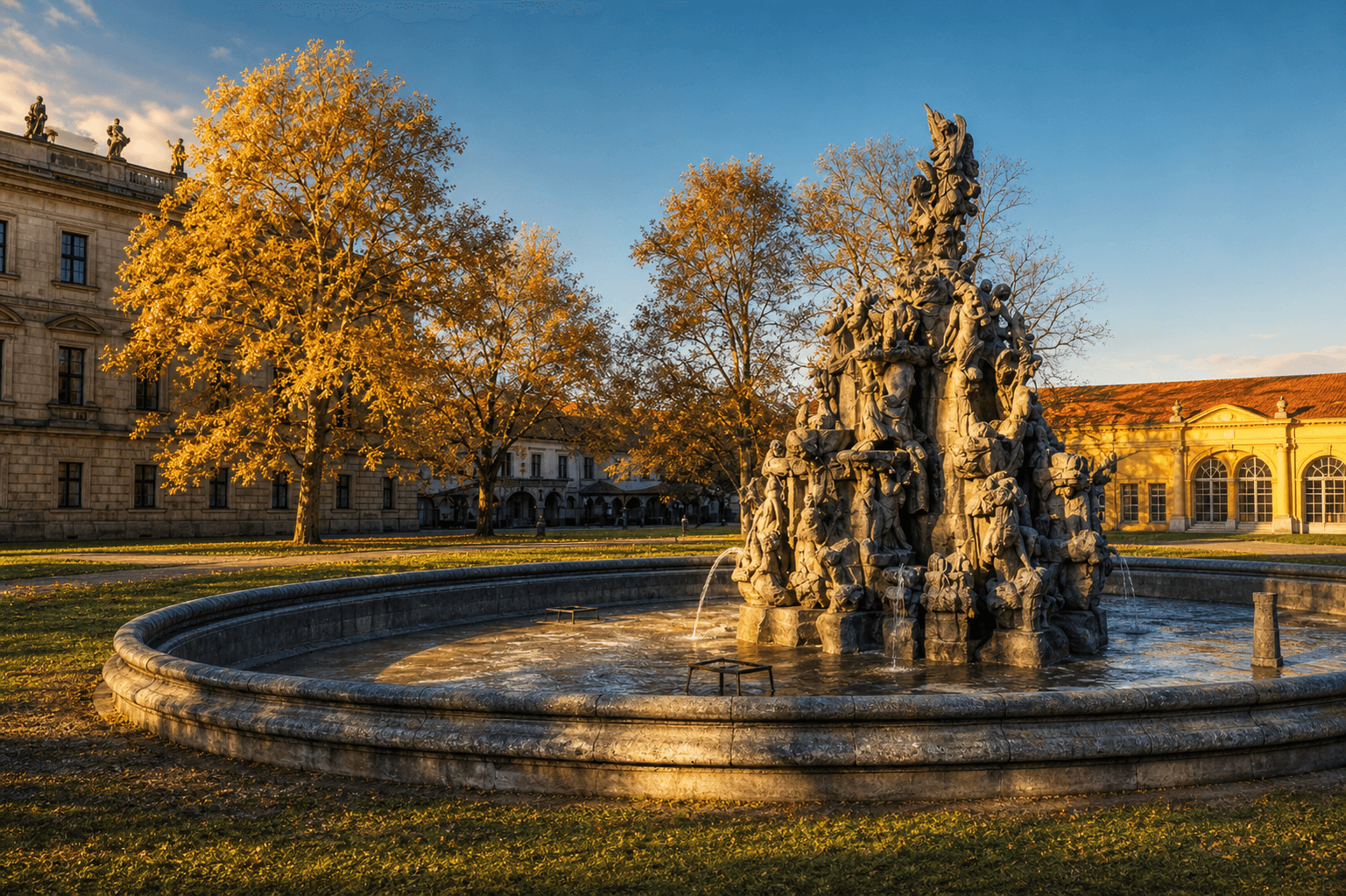
March 2026 was marked by budget decisions, new integration models, and traffic projects. Learn what is particularly important for you as a citizen.
Budget, Integration, and Traffic Planning: March 2026 in Focus
What was important this month
- Budget consolidation with savings of a total of €968,000 for 2026, mainly through restructuring of staff positions.
- New integration model for asylum seekers based on the Regensburg model, initiated by the Free Voters (Freie Wähler).
- Social Kaufhaus 2.0 is being further developed to be more environmentally friendly and more culturally embedded.
- Wind farm Römerreuth is being realized with opportunities for citizen participation and a planned information event.
- New LED billboards in the city center aim to reduce traffic caused by drivers searching for parking (proposal by the SPD).
Budget Consolidation and Staff Restructuring
March began with a series of decisions aimed at consolidating the city of Erlangen's budget. Comprehensive changes to the staffing plan were approved in the Social and Health Committee in order to save €968,000 annually. These savings are primarily achieved through reductions and freezes of positions starting from August and September 2026.
The largest savings are expected in Department V (€865,500) and Department VI (€92,900). Some positions were created, implemented, or frozen—for example, in Departments 41 and 51. Responsibility for implementation lies with the Personnel and Organization Department and the affected departments.
These measures are part of the budget consolidation outlined in Proposal 0010/2026, which presents an overall budget of €176.5 million.
Integration and Social Innovation
In March, a new model for the integration of asylum seekers into the labor market was approved. Based on the Regensburg model, a local integration network is to be created that cooperates with employers, educational institutions, and the foreign affairs office.
Additionally, a proposal by the SPD faction was discussed, which aims to further develop the Social Kaufhaus Kaufbar into a Second-Hand Kaufhaus 2.0. The goal is to focus more on social, cultural, and environmentally friendly aspects—a step within the Climate Breakthrough and the "Repair Instead of Disposal" concept.
The Senior Advisory Council also advocated for the long-term integration of foreign workers in the care sector and initiated the pilot project "Plaudertische" in bakeries to promote social exchange.
Traffic Planning and Infrastructure
In the Environmental, Transport, and Planning Committee, several traffic projects were discussed. The SPD faction requested the reduction of traffic caused by drivers searching for parking in the city center through LED billboards that provide parking information. The proposal is numbered 230/2025 and is assigned to Department VI/61.
Another proposal (004/2026) dealt with the traffic situation on Nürnberger Straße. The aim is to examine solutions such as markings or warning signs to improve the traffic situation.
In addition, the rail corridor section of the Aurachtalbahn between Frauenaurach and Kriegenbrunn remained unconverted and unoccupied. A construction or shared-use plan in the area of the bridge over the A3 and Pappenheimer Straße was rejected, as the option of reactivation must be preserved for future projects such as the second cycle superhighway.
Cross-Topic: Budget and Social Policy – Tensions on the Line
The budget consolidation and staff restructuring plans show that Erlangen is consciously pursuing increased efficiency—not least to be able to finance social projects such as the labor market integration of asylum seekers or the second-hand Kaufhaus.
At the same time, it becomes clear that social innovation and integration remain priorities—even in times of tight budgets. The cooperation with the Palliative Care Center and the support for projects like "Plaudertische" show that Erlangen is not only relying on savings measures in social matters, but also on inclusion and sustainability.
Conclusion and Outlook
March 2026 was a month of decisions—both financially and socially. Budget consolidation, the implementation of new integration models, and traffic planning shaped the work in the city hall.
In the coming months, further discussions are expected on the Long Night of Democracy, the adjustment of procurement guidelines, and digital city council work. In addition, the wind farm Römerreuth will come more into focus—with planning steps and citizen participation.
Erlangen is on a course that combines budget discipline with social responsibility. Whether this balance will last in the long term remains to be seen—but March 2026 clearly shows: The city is actively shaping its future.
NeoSearch analyses public council documents, committee minutes and municipal announcements. Source references appear automatically once verified meeting data is available.
What does this mean for businesses?
Municipal council decisions are early indicators: following the council agenda surfaces projects and tenders months before the official award — before they ever reach the procurement portals.
Track similar decisions in your region
Set up monitoring for Finance and Budget in Bayern — prefilled from this article.
Set up monitoring →More signals from Erlangen
Childcare in Erlangen: Funding, Structures, and Future Prospects
In April 2026, Erlangen saw pivotal debates and reform proposals in the area of childcare. The CSU City Council faction called for a transparent cost breakdown, while the Youth Welfare Committee discussed the future of the Youth Workshop. An overview of the current situation and challenges.
Read more → Sport in Erlangen: Infrastructure, Support, and Future Challenges
In April 2026, Erlangen saw important decisions and developments in the field of sport. From investments in club facilities to the debate over opening hours of the Hannah-Stockbauer-Hall – the sports sector faces new challenges.
Read more → Budget Development and Consolidation in Erlangen – Analysis of the April Decisions
In April 2026, Erlangen made several key budgetary decisions that will shape the city's financial structure in the coming years. The focus was on consolidation measures, investments in education, and the assurance of social benefits. This blog post analyzes the background, decision-making processes, and potential impacts of the April decisions.
Read more →