Climate Protection in Augsburg: Focus on Energy, Mobility and Forestry
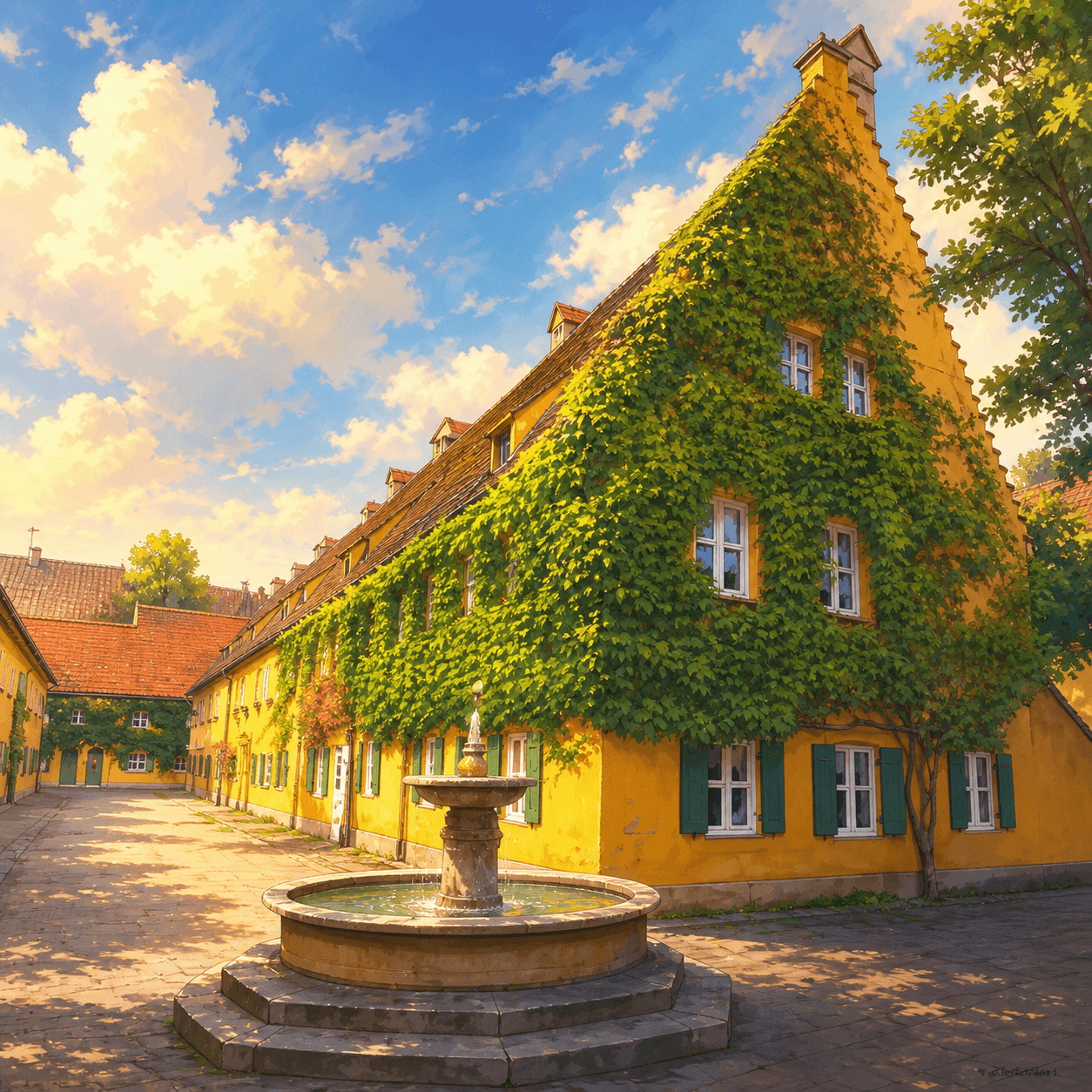
In January 2026, the city of Augsburg engaged intensively with climate protection issues. Key topics included the role of the housing association, the city forest, and the implementation of climate-neutral urban planning. This blog article analyzes the most important decisions, backgrounds, and challenges.
Climate Protection in Augsburg: A City Policy in Transition
January 2026 was marked in Augsburg by intense debates and decisions on climate protection. The city has set itself the long-term goal of becoming climate-neutral by 2040 and is implementing a wide range of measures, from energy planning and mobility to forestry. Particular attention was paid to the role of the housing association (WBG), the use of the city forest as a CO₂ sink, and the handling of energy-intensive construction projects.
Climate Protection and the Housing Association: Modernization as a Key
The housing association (WBG) is a central actor in the city's climate protection efforts. Since the 1990s, the WBG has already modernized 71% of its building stock, resulting in a CO₂ emission reduction of over 80% compared to 1990. The strategic focus on energy efficiency and sustainable building materials is crucial.
New developments, such as the planned residential complex in the Prinz-Karl district, explicitly adhere to the quality seal "Sustainable Building." Life cycle analyses and calculations of Global Warming Potential (GWP) are considered in every project. In addition, the handling of "gray energy"—i.e., the CO₂ emissions from the production of building materials—is carefully evaluated.
A central project discussed in January was the application for photovoltaic systems on social housing. The goal was to provide residents with free electricity after the amortization period. However, the plans faced legal and structural hurdles. The WBG argued that PV systems on third-party buildings are not economically viable and that the free provision of electricity violates energy and rental laws. This illustrates how complex the implementation of climate-friendly measures can be in practice.
The City Forest as a CO₂ Sink: Sustainable Forestry as a Model
Augsburg is not only known for its industrial and cultural history, but also for its role as one of the largest forest owners in Germany. The city forest is regularly awarded for its regional significance and is discussed as a model for sustainable forestry.
The city markets municipal raw wood through the Regional Augsburg Forestry Association (WBV). The goal is to use wood as a CO₂-neutral building material that can replace climate-damaging materials such as concrete or steel. Over the past ten years, more than 540,000 solid meters of wood have been marketed, with cascade use and regional marketing being priorities.
Forest management also contributes to biodiversity and climate resilience. The forest is used as a natural ecosystem that protects animals and plants while also acting as a CO₂ sink. This sustainable use is supported by public relations and cooperation with the WBV.
Climate Protection Assessment: A Necessary, but Incomplete Practice
The climate protection assessment is a central tool for the city to evaluate the impact of proposal drafts on climate-relevant aspects. The assessment is conducted in categories such as energy, mobility, resource consumption, land use, information, and motivation. The evaluation matrix includes columns for "supportive," "no effect," and "hindering," although in many cases no justifications were provided.
An example of the application of this assessment is the so-called "Bauturbo," a tool for accelerating planning procedures for housing construction. Although the Bauturbo is generally considered supportive of the climate protection strategy, in many cases specific justifications are missing for why, for example, land sealing is avoided or renewable energies are used.
In addition, there are discussions about whether the climate protection assessment must be carried out in all cases. In some instances, it was omitted when no direct impact on climate protection was evident. This shows that the evaluation methodology still needs to be further developed to increase transparency and consistency.
Outlook: How Augsburg Can Achieve Its Climate Goals
Augsburg's climate protection strategy is ambitious, but not without challenges. The housing association will continue to play a key role, especially in modernizing the city's building stock. The city forest remains a central CO₂ sink and offers models for sustainable forestry. At the same time, the city must become more transparent in its climate protection assessments to ensure the consistency of its measures.
In the coming months, it will depend on how well the various actors—politics, administration, economy, and citizens—can work together. Implementing the climate protection strategy requires not only political will, but also technical innovations, financial investments, and social acceptance.
NeoSearch analyses public council documents, committee minutes and municipal announcements. Source references appear automatically once verified meeting data is available.
What does this mean for businesses?
Municipal heat planning, photovoltaics and climate measures create early project indicators. Following council decisions surfaces sites and tenders before they are publicly advertised.
Track similar decisions in your region
Set up monitoring for environment & climate in Bayern — prefilled from this article.
Set up monitoring →More signals from Augsburg
Budget Planning and Investments in Sports Promotion: A Monthly Overview for Augsburg
In January 2026, Augsburg focused on key financial decisions in the area of sports promotion and infrastructure. Numerous investment measures were approved, including renovations, support programs, and the construction of a new club house. An overview of the structure, financial implications, and long-term plans.
Read more → Mobility in Augsburg: Road Reconstruction, Climate Protection, and Road Safety in January 2026
In the weeks of January 2026, the city of Augsburg is placing greater emphasis on traffic calming, climate protection, and improved road safety. Several important decisions were made at the meeting on January 29 that will influence mobility in the city center and surrounding areas.
Read more → Governance and Administration in Augsburg: Key Decisions in January 2026
January 2026 marks a significant milestone in the governance and administration of Augsburg. A variety of meetings led to fundamental decisions on digitization, equal opportunities, process optimization, and staff development. This blog post analyzes the most important developments, backgrounds, and implications of these political steps.
Read more →