Governance and Administration in Stuttgart: Decisions and Debates in January 2026
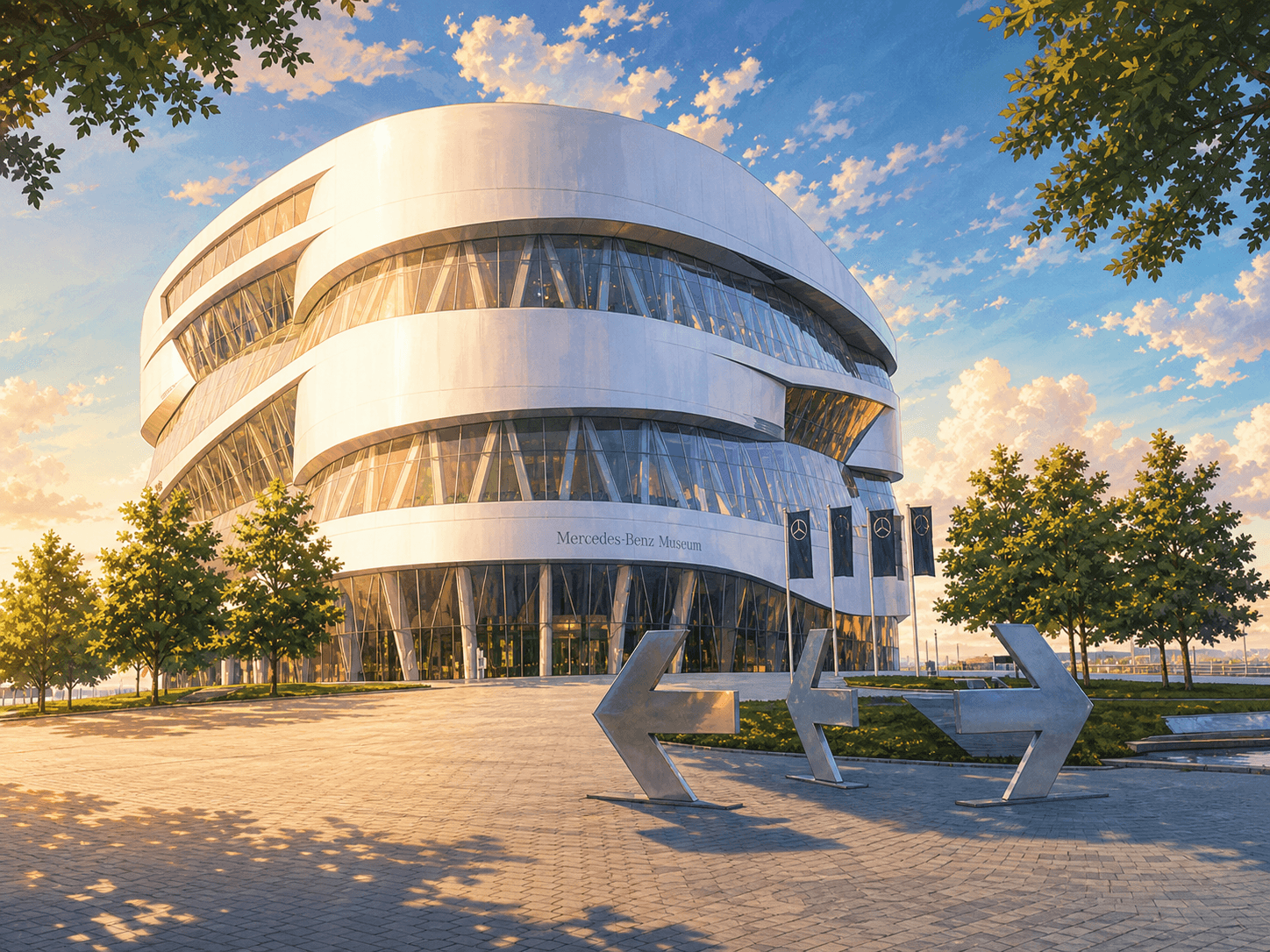
In January 2026, numerous decisions and debates on governance and administration were in focus in Stuttgart. From the Youth Council to district budgets and initiatives to administrative projects – the city council districts actively represented their residents.
Governance in Stuttgart: Local Decisions in January 2026
In January 2026, district advisory boards and youth councils in Stuttgart discussed and decided on many topics that shaped local governance and administration. From the Youth Council to budget proposals and infrastructure projects to political initiatives, the participation of the population was a central element.
Youth Participation and District Budgets
On January 13, the advisory district council of Münster appointed an advisory member of the Youth Council, marking a step toward stronger inclusion of young people in local politics. In addition, several proposals from the district budget were unanimously approved. These included projects such as "Münster Blick," an event series organized by the district office, and the funding of a memorial plaque at the Enzstraße playground. Particularly notable was the broad support for cultural and social projects such as the poster campaign "ZUHAUSE gut begleitet – so lange wie möglich DAHEIM."
These decisions demonstrate how district budgets can be used as instruments to promote participation and social cohesion. They also highlight how transparent and citizen-oriented decisions can be made at the district level – provided there is active citizen involvement.
Initiatives and Political Debates
In the advisory district council of Weilimdorf, the presentation of the initiative "Schön hier oder" was central. The initiative aims to reduce social tensions and promote peaceful coexistence. Such projects are typical of the role of district advisory councils as platforms for social innovation. The Botnang Youth Council also actively engaged by reporting on the progress of preparations for a discussion on state elections at the city library. This underlines the growing political awareness of young people in Stuttgart.
Administration and Infrastructure
In Stuttgart-Wangen, a member change took place in the district advisory council, as Maurice Sträter was appointed as a deputy member. The new operations center of Stuttgart Waste Management was also discussed and visited during a public tour. Such visits are an example of how administrative decisions can be legitimized through transparency and closeness to citizens.
In the Committee Stuttgart 21/Rosenstein, the current status of the preservation of the Panoramabahn was addressed – a topic of both touristic and cultural significance. In addition, a report on the Special Steering Committee Stuttgart 21 was presented, showing how district institutions can contribute to higher-level planning processes.
Outlook
The decisions and debates in January 2026 show how vibrant governance is in Stuttgart. District advisory councils and youth councils do not only function as advisory bodies, but also as active actors in the process of urban development. The inclusion of citizens, transparency in decision-making, and the ability to address both social and infrastructural challenges are key factors for an effective local administration.
NeoSearch analyses public council documents, committee minutes and municipal announcements. Source references appear automatically once verified meeting data is available.
What does this mean for businesses?
Town halls, fire stations, depots and administrative buildings create early construction and refurbishment opportunities. Following council agendas reveals projects before they go to tender.
Track similar decisions in your region
Set up monitoring for public buildings & administration in Baden-Württemberg — prefilled from this article.
Set up monitoring →More signals from Stuttgart
Housing and Social Affairs in Stuttgart: Challenges and Reforms in April 2026
In April 2026, decisive debates and reforms in the field of social and housing policy were at the center of attention in Stuttgart. With cuts, investments in health promotion, and the realignment of social infrastructure, the city is showing movement in the face of financial and societal challenges.
Read more → Cultural Impulses and Community Work in Stuttgart – Focus on April 2026
In April 2026, Stuttgart will provide impulses for cultural and social development in several districts. Particularly in Hedelfingen and Nord, cultural projects, citizen participation, and local initiatives were in the spotlight. An overview of the most important decisions and developments in the field of culture and community.
Read more → Education in Stuttgart: Analysis of the April 2026 Decisions
In April 2026, Stuttgart intensely addressed the future of its educational policy. The third municipal education report, new support programs and initiatives for integration, as well as investments in school infrastructure formed the core of the decisions that redefined the transition from school to vocational training and professional life.
Read more →