Offenburg: Urban Development and Building Law in March 2026 – Impulses for Housing, Planning, and Sustainability
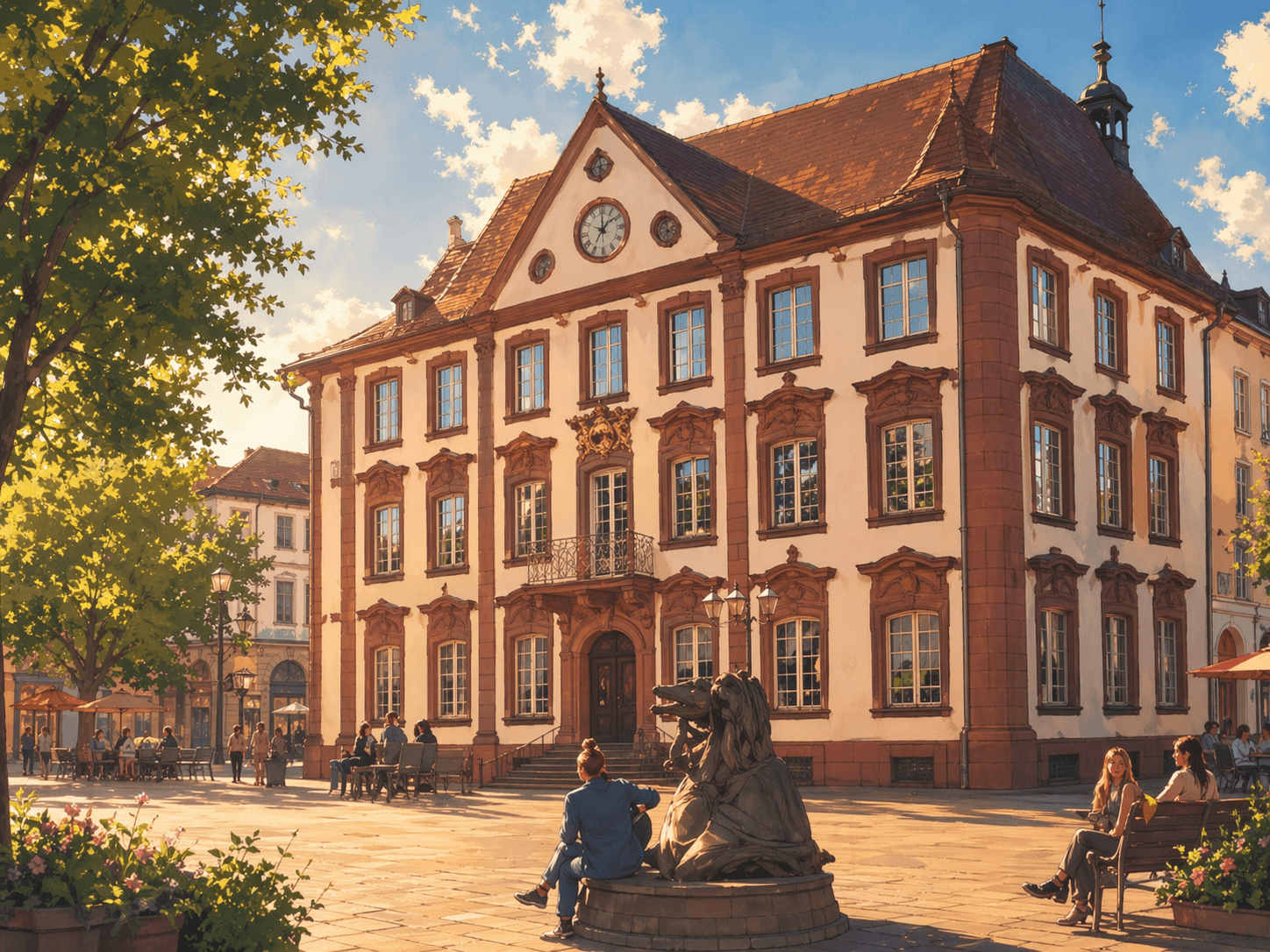
In March 2026, Offenburg set important milestones in urban development: From the introduction of the Bauturbo model to new housing projects and changes in the land use plan – the city is moving in line with the challenges of demographic change and climate protection strategies.
Offenburg's Urban Development: Dynamics, Sustainability, and Planning Security
Urban development in Offenburg proved to be a key topic for the region's future in March 2026. With the introduction of new legal instruments, the advancement of urban development projects, and the adaptation of planning structures, Offenburg set impulses that take both housing demand and climate goals into account. The political decisions demonstrate a clear will to shape urban development in a future-oriented and citizen-centered manner.
Bauturbo Model: Acceleration in the Building Process with Clear Guidelines
The introduction of the Bauturbo Model (§ 246e BauGB) marked a milestone in Offenburg's building planning. This new instrument enables the acceleration of building processes by granting municipal approval from the administration using guidelines defined by the political bodies. The goal is to remove bureaucratic hurdles while ensuring planning security.
The pilot phase is planned until 2027, with the administration providing regular reports. This approach underlines Offenburg's commitment to combining innovation and efficiency in building planning. At the same time, political control is maintained, creating a balance between administrative autonomy and parliamentary influence.
Housing in Focus: SEM "In den Matten II" and Land Strategy
The Urban Development Measure (SEM) "In den Matten II" in Bohlsbach is a central project for securing building land and creating housing. With an area of 8.3 hectares and the goal of building 200–250 residential units, the project is a step toward sustainable and affordable urban development.
The financial support from the German Housing and Home (DHH) with 3 million euros from the federal program is crucial for implementation. The focus is on rental housing, affordable housing, and ecological concepts such as plus-energy buildings and timber construction. This approach reflects Offenburg's strategy to meet the housing demand by 2035 with an additional 2,300 residential units, of which 20% will be subsidized and 20% price-controlled.
Land Use Plan: State Horticultural Show and South Sports Park
In March 2026, two important amendments to the land use plan were approved, shaping the city's future:
4th Amendment: The planning for the State Horticultural Show 2032 and the new construction of the South Sports Park received the necessary legal framework. The Sports Park is presented as a special building area with the designation "Sports Park." The Karl-Heitz Stadium will be relocated to the new Sports Park, allowing Offenburg to modernize and expand its sports infrastructure.
6th Amendment: The conversion of communal needs into residential building land in the area of Hohberg (Mühlberg) was approved. This reduces the residential building area "Geisbrunnen" by 0.33 hectares. Both amendments were unanimously approved by the Joint Committee on March 23, 2026.
These measures highlight how Offenburg creates planning security while also responding to future needs. The early involvement of the public and authorities also shows a transparent approach.
Land Strategy: Cooperative, Sustainable, Affordable
Offenburg's Land Strategy is another central element of urban development. With the "cooperative" land model and the pre-emption rights ordinance, the city aims to prevent late participation and land price speculation. In addition, the minimum quota of 30% municipal land for development and subsidized housing is being pursued.
The previous successes – such as the construction of 2,750 housing units by the end of 2024 – show that Offenburg is on the right track to meet the housing demand through growth (9.2% population increase from 2014 to 2023). At the same time, the city remains sensitive to ecological and social challenges.
Conclusion: Offenburg as a Model for Sustainable Urban Development
In March 2026, Offenburg has shown that it can master the challenges of urban development with clear decisions, innovative instruments, and transparent processes. The combination of housing promotion, climate protection, planning security, and citizen participation makes Offenburg a role model for other cities in the region.
The next few months will show how quickly and successfully pilot projects such as the Bauturbo model and the SEM "In den Matten II" are implemented. But one thing is already clear: Offenburg has the courage to set the course for the future – and that with care and responsibility.
NeoSearch analyses public council documents, committee minutes and municipal announcements. Source references appear automatically once verified meeting data is available.
What does this mean for businesses?
Schools, daycare centres and public buildings create early planning and construction opportunities. Following council agendas surfaces tenders for refurbishment, new builds and fit-out months before the official award — from shell construction to specialist planning to furnishing.
Track similar decisions in your region
Set up monitoring for education & public facilities in Baden-Württemberg — prefilled from this article.
Set up monitoring →More signals from Offenburg
Offenburg's Financial Policy in April 2026: Tax Reforms, Budget Planning, and Investments
In April 2026, Offenburg made important decisions in financial policy, including the introduction of an overnight stay tax, the adoption of the double budget for 2026/2027, and investments in education and heritage protection. This blog analyzes the background, impacts, and future perspectives of these measures.
Read more → Offenburg's Mobility Transformation: The Master Plan and its Implementation
Offenburg has set out on an ambitious path with its Traffic Master Plan 2035 to shape urban mobility in a climate-friendly and future-ready way. In April 2026, several decisions were made that set the direction – from the electrification of the bus fleet to the modernization of traffic light control.
Read more → Offenburg April 2026: Traffic, Finances, and Integration in Focus
In April 2026, Offenburg made key decisions on traffic, financial planning, and integration. The Traffic Committee laid the groundwork for 30 km/h zones and sidewalk parking concepts, the Municipal Council approved the overnight stay tax, and the Integration Advisory Board discussed language support and civic engagement.
Read more →