Heilbronn: Governance and Administration in March 2026 – Decisions, Structures, and Future Tasks
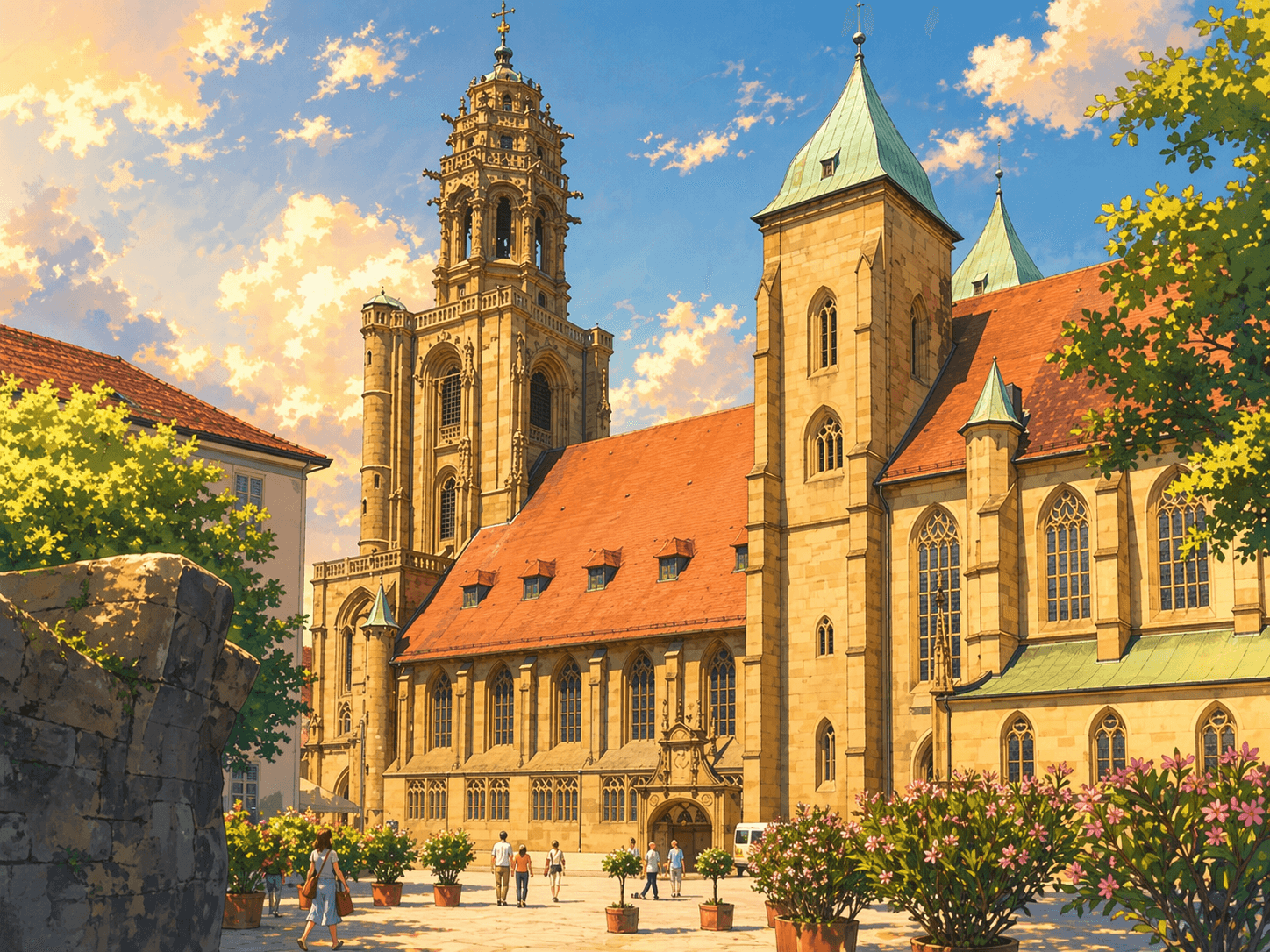
In an intense March 2026, the city of Heilbronn made numerous decisions in the areas of governance and administration. From budget planning and tax adjustments to climate protection measures and youth policy – the focus was on transparency, sustainability, and citizen-oriented administration.
Governance and Administration in Heilbronn: Structural Adjustments and Political Challenges in March 2026
The city of Heilbronn devoted significant attention to governance and administration in March 2026. A multitude of meetings were held, making decisions that influence both financial planning and the political structure. At the same time, topics such as climate protection, citizen participation, and youth policy were in the spotlight – with far-reaching implications for the city's future.
Budget Planning and Tax Policy
Budget planning for the years 2027 and 2028 was a central topic. The district advisory boards Neckargartach and Frankenbach, as well as the municipal council, discussed proposals intended to shape the city’s financial future. Special attention was paid to the dog tax. The administration proposed an increase, expected to generate an additional 94,600 EUR annually. Tax rates for first-time dogs, additional dogs, and dangerous dogs were adjusted to support budget consolidation.
In addition, there were proposals for tax exemptions for certain types of dogs, such as hunting dogs or shelter dogs. The administration rejected the expansion of exemptions, citing issues of equal treatment and administrative burden. However, suggestions for temporary exemptions for shelter dogs were discussed, with the administration emphasizing the need for careful review.
Governance Structure and Responsibilities
The clear delineation of responsibilities within the administration played an important role. It became evident that the municipal council does not have the authority to monitor political neutrality at schools – this is the responsibility of the school supervisory authority. Similarly, the council did not have the competence to create lists of school projects or regulate educational offerings.
Another focus was the digital organization of public meetings. The administration is using software such as „Sitzungsdienst Session“ to optimize procedures and ensure transparency. Public meetings took place in town halls and schools, with clearly defined schedules, including the municipal council meeting on March 26, 2026.
Climate Protection and Sustainable Governance
Heilbronn is increasingly committed to climate-neutral administration and climate adaptation. An Advisory Group on Climate Adaptation was established in the Department of Construction, and the goal of achieving a climate-neutral municipal administration by 2030 is firmly integrated into planning. The city is also part of the European Green City Accord, which entails international commitments regarding air quality and climate policy.
The administration has established a monitoring system for climate protection measures, and it is planned to submit a third-party funding application by April 2026. The implementation of the Climate Protection Master Plan 2035 and the Mobility Concept 2030 are central guiding principles. A particular focus is on reducing traffic-related emissions, which currently account for two-thirds of total emissions.
Citizen Participation and Youth Policy
The city of Heilbronn is relying on citizen-based governance. In March 2026, a meeting of the Inclusion Advisory Board took place, in which topics such as the European Green Capital 2027 and participation opportunities were discussed. Youth policy was also a central topic: The Free Voters submitted a proposal for additional gathering spaces for young people, which the administration rejected, citing that existing offers were already sufficient. Nevertheless, it is being examined whether areas can be used for calisthenics equipment.
Conclusion: Governance in Motion
The March sessions show that the city of Heilbronn is in a phase of transition. The governance structure is becoming more transparent, the administration is focusing on sustainability and citizen participation, and budget planning is closely linked to climate protection goals. Although there are challenges – such as the distribution of responsibilities or the implementation of tax adjustments – the decisions demonstrate a clear will to guide the city into a sustainable future.
In the coming months, it will be important to see how the planned measures are implemented and whether citizens are actively included in the decision-making processes. Heilbronn has shown itself to be a city of action – now it is time to turn the visions into concrete steps.
NeoSearch analyses public council documents, committee minutes and municipal announcements. Source references appear automatically once verified meeting data is available.
What does this mean for businesses?
Town halls, fire stations, depots and administrative buildings create early construction and refurbishment opportunities. Following council agendas reveals projects before they go to tender.
Track similar decisions in your region
Set up monitoring for public buildings & administration in Baden-Württemberg — prefilled from this article.
Set up monitoring →More signals from Heilbronn
Traffic Policy in Heilbronn: Analysis of the Traffic Advisory Board in April 2026
In April 2026, important decisions and discussions on traffic and mobility in Heilbronn were in focus. The Traffic Advisory Board met in a closed session and laid the foundation for future developments.
Read more → Sports Development in Heilbronn: Tartan Track and Sports Grounds in Focus
In April 2026, important measures for the renewal and improvement of sports facilities will be at the center of attention in Heilbronn. The focus will be on the Tartan track and the sports ground areas.
Read more → Heilbronn: Urban Development and Construction Projects in Focus for April 2026
In April 2026, Heilbronn saw key decisions on the city’s construction plan and energy policy. The Building and Environment Committee addressed the update of the Energy Guidelines, the development of the Klingenäcker residential area, and the renovation of a daycare center.
Read more →