Social Integration through Education: The Project "Integrated Parents – Strong Children" in Esslingen
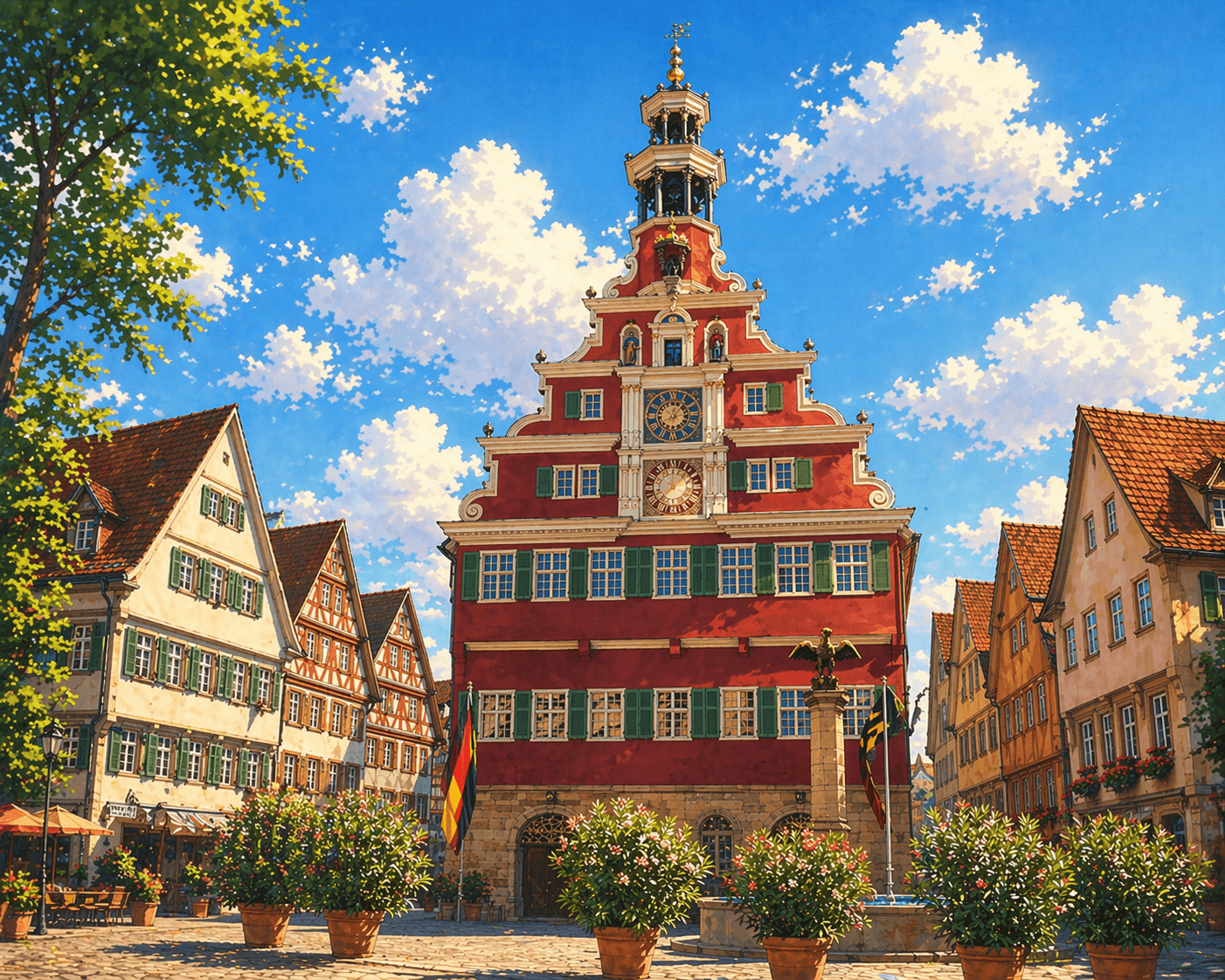
In Esslingen, the project "Integrated Parents – Strong Children" actively supports the integration of families with a migration background. The focus is on strengthening parental competencies and social participation. The emphasis is on practical experience, relationships, and trust rather than purely language instruction.
Integration through Relationships: The Holistic Approach of "Integrated Parents – Strong Children"
The integration of families with a migration background in Esslingen is a central topic in local social policy. In February 2026, the project "Integrated Parents – Strong Children" (IESK) was the focus of several municipal meetings. IESK is an example of the city's strategy to combine education, social services, and integration through a holistic approach. Unlike traditional language courses, the project emphasizes the importance of relationships, trust, and the role of parents in family, school, and society.
Practical Relevance and Everyday Experience: How the Project Works
A central aspect of the project is the practical engagement with German everyday and educational culture. Participants visit institutions such as the Mother's Center, the City Library, the City Museum, or the Active Playground. These excursions serve not only to provide information but also to build trust and convey offers within the city. Through school tours, visits to psychological counseling centers, or the job center, a comprehensive picture is given of how Esslingen as a city can become accessible for families with a migration background.
These practical experiences help to reduce fears and strengthen the feeling of belonging. The impact of the project often becomes apparent only after the course period, when participants independently use the services and pass on their knowledge to others. This multiplier effect is a key factor for success.
Participants and Structure: An Overview
Since the project's launch in spring 2022, more than 156 women from 23 different countries have participated. The main countries of origin are North African countries, the Balkans, and Ukraine. Initially, access to the project was facilitated through child-rearing support services, school social work, and integration management. In the meantime, cooperation partners and personal recommendations play an increasingly important role.
Currently, there are three active locations: Mettingen, Waisenhofschule (downtown), and Oberesslingen. The course in Mettingen is offered twice a week with childcare and is attended by 21 participants aged 26 to 59. The participants mainly come from Albanian, Arab, Kurdish, and Turkish communities. The course at Waisenhofschule is also offered twice a week and attended by 12 women aged 30 to 56.
The project is funded by the BW Foundation with a budget of 150,000 €. It is structured with a project management team and three course leaders. The funding and structure allow for long-term planning and development of the project.
Digital Support and Challenges: The Role of the Integreat App
Another important element in integration is the use of digital tools. The city administration uses the Integreat App, which offers translation services, appointment scheduling, and editorial support. With a setup fee of 1,900 € and ongoing costs of 6,000 € per year, the app is a valuable but also costly instrument.
However, in practice, it is often found that the free translation allowance of 50,000 words is not sufficient. In some cities, such as Schwäbisch Hall or Wertheim, the use of the app is low because translations are often done in-house. Open questions in the integration network include the administrative resources, the adaptability of platforms to target groups, and the need for surveys on participation and user needs.
Outlook: Integration as a Continuous Process
The project "Integrated Parents – Strong Children" in Esslingen makes it clear that integration is not only a matter of language or formalities but a deep process of relationships, trust, and social participation. Through practical offers, cooperative structures, and digital support, Esslingen is supported in creating an inclusive environment for all families.
The experiences of the past years show that integration does not only begin in the city administration but where people create encounters – in schools, institutions, parks, and everyday life. With projects like IESK and the use of digital tools like the Integreat App, Esslingen is relying on a sustainable, holistic approach.
NeoSearch analyses public council documents, committee minutes and municipal announcements. Source references appear automatically once verified meeting data is available.
What does this mean for businesses?
Municipal council decisions are early indicators: following the council agenda surfaces projects and tenders months before the official award — before they ever reach the procurement portals.
Track similar decisions in your region
Set up monitoring for kommunale Projekte in Baden-Württemberg — prefilled from this article.
Set up monitoring →More signals from Esslingen
Youth Politics in Esslingen: Highlights and Developments in April 2026
In April 2026, Esslingen focused on important milestones in youth politics, from the public meeting of the Youth Council to the preparations for the Youth Council elections in the fall. An overview of the developments.
Read more → Health Policy in Esslingen: Focus on Decisions and Challenges in April 2026
This month, fundamental decisions in the healthcare sector in Esslingen were in focus. The supervisory board of Klinikum Esslingen GmbH held a special session, which, however, was not open to the public. What topics were discussed, and what impact will these decisions have on healthcare in the region?
Read more → Heat Protection, Toilet Renovations, and Kindergarten Capacity Assessment: Education Policy in Esslingen, April 2026
In April 2026, Esslingen focused on key decisions related to education and public facilities. The Committee for Education, Care, and Childcare addressed heat protection at schools, the renovation of toilets in 30 school buildings, and the current registration status for kindergarten places. The blog provides a detailed overview of the discussions, background, and implications of these measures.
Read more →