Esslingen's Urban Development 2026: From Zoning Plans to Climate Protection
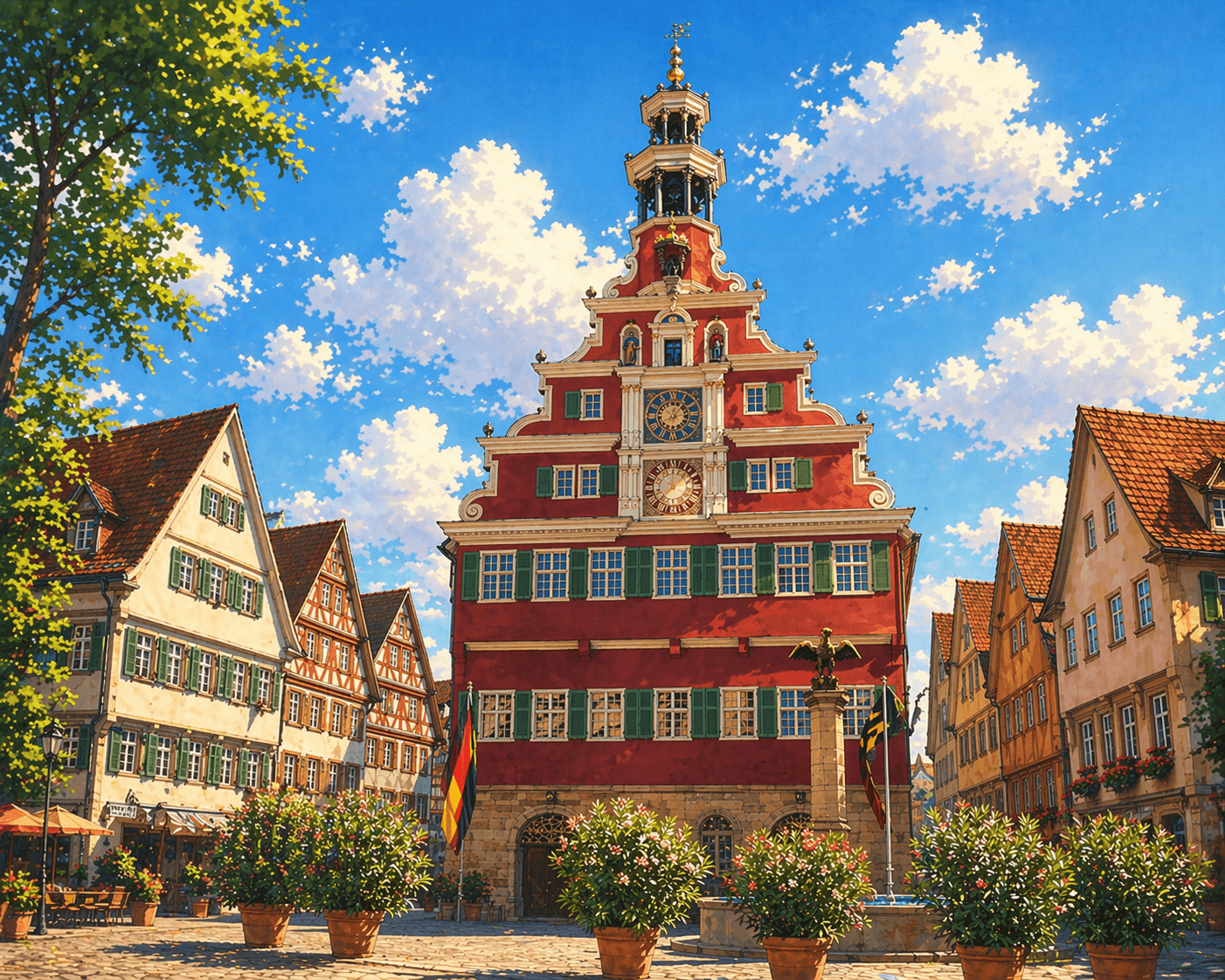
In February 2026, Esslingen was marked by numerous decisions on urban development, ranging from zoning plan adjustments to traffic optimizations and climate protection measures. An overview of the most important developments and their backgrounds.
Esslingen's Urban Development 2026: A Deep Dive
Urban development in Esslingen has once again emerged as a central focus of municipal politics in 2026. With a focus on zoning plan supplements, traffic optimizations, and climate protection measures, the Committee for Construction, Mobility, and Climate Protection made numerous forward-looking decisions during its meetings. Below, we analyze the most important developments and their significance for the city's development.
Zoning Plan Supplements: Strengthening the Local Economy
In the field of zoning planning, the city of Esslingen has recently focused on precise regulations to strengthen the local economy while ensuring quality of life. A central project was the supplementation of the zoning plan for the area Westliche Wilhelmstr./Hauptstraße in district 111 "Zell." Clear guidelines were set to strengthen local trade and crafts businesses. At the same time, disruptive uses such as accommodation businesses or entertainment venues were excluded.
Another project was the supplementation of the zoning plan for the Garden House Area Zinken in district 34 "Wäldenbronn." The zoning plan was continued using the simplified procedure under § 13 BauGB, which accelerated the process. Clear construction and ecological requirements were defined — from minimum plot sizes to planting obligations.
The city is thus pursuing a unified and sustainable zoning plan that takes into account both ecological and economic interests.
Traffic and Mobility: Pedestrian Zones and Parking Management
In the field of mobility, the focus in recent weeks has been on strengthening pedestrian zones and optimizing parking availability. A central topic was the CDU motion for the new regulation of cycling in pedestrian zones. This emphasized clear time windows, better signage, and the creation of sufficient bike parking spaces. Although some proposals were declared obsolete, the debate about a better balance between cyclists and pedestrians remains current.
Another project was the Dresdener Straße, where sidewalk parking is to be established by 2026. The goal is to reduce parking pressure in the city center while creating more order in the public space. The costs for markings and signage are approximately 8,000 euros, with annual follow-up costs covered by depreciation.
In addition, a parking garage project was discussed, which is not feasible due to financial constraints and geological risks. Instead, an alternative use of the Citizen-Boley-Area is being examined, such as an automated multiparking system in combination with housing.
Climate Protection and Sustainability: From Green Spaces to Flood Protection
Climate protection and sustainability played a central role in Esslingen's urban development in 2026. In the zoning plan supplements, insect-friendly lighting, scattered orchard meadows, bird protection, and flood protection were integrated. Particular emphasis should be placed on the inclusion of climate-resilient trees in the planting requirements as well as the consideration of heavy rain and flood scenarios.
Another important project is the renovation of Ritterstraße and Rossneckarplatz, which is to be implemented by 2029. The aim is to create an accessible, green, and multifunctional public space that is both climatically and socially sustainable. The total cost of the project amounts to 6.95 million euros, with 3.2 million euros covered by subsidies.
Conclusion: A City in Transition
Esslingen's urban development in 2026 shows how complex and multifaceted the tasks of a modern city are. From the precise planning of zoning plans through the optimization of the traffic system to the requirements of climate protection — Esslingen is pursuing a sustainable, future-oriented urban development that combines economic and ecological goals. The coming months will show how these measures perform in practice and what new challenges will arise.
NeoSearch analyses public council documents, committee minutes and municipal announcements. Source references appear automatically once verified meeting data is available.
What does this mean for businesses?
Urban development, zoning plans and commercial settlements create early construction and supply opportunities. Following council decisions reveals projects before they go to tender.
Track similar decisions in your region
Set up monitoring for economic development in Baden-Württemberg — prefilled from this article.
Set up monitoring →More signals from Esslingen
Youth Politics in Esslingen: Highlights and Developments in April 2026
In April 2026, Esslingen focused on important milestones in youth politics, from the public meeting of the Youth Council to the preparations for the Youth Council elections in the fall. An overview of the developments.
Read more → Health Policy in Esslingen: Focus on Decisions and Challenges in April 2026
This month, fundamental decisions in the healthcare sector in Esslingen were in focus. The supervisory board of Klinikum Esslingen GmbH held a special session, which, however, was not open to the public. What topics were discussed, and what impact will these decisions have on healthcare in the region?
Read more → Heat Protection, Toilet Renovations, and Kindergarten Capacity Assessment: Education Policy in Esslingen, April 2026
In April 2026, Esslingen focused on key decisions related to education and public facilities. The Committee for Education, Care, and Childcare addressed heat protection at schools, the renovation of toilets in 30 school buildings, and the current registration status for kindergarten places. The blog provides a detailed overview of the discussions, background, and implications of these measures.
Read more →