City Development in Bad Wurzach: What April 2026 Means for Construction and the Environment
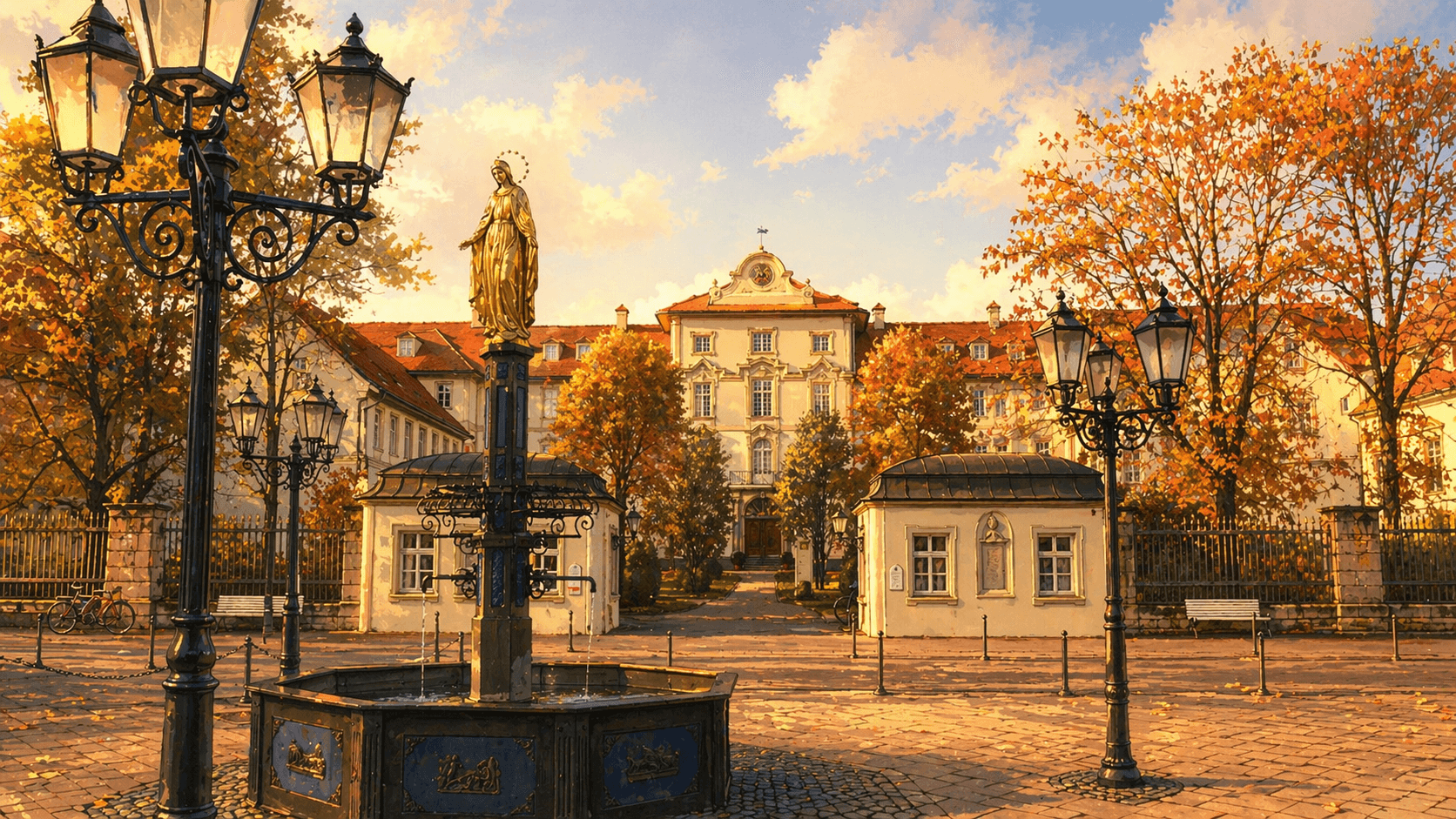
In April 2026, Bad Wurzach engaged in forward-looking planning for city development, construction, and ecology. The decisions made by the municipal council show how the expansion of the region is linked to ecological requirements and clear urban planning provisions.
City Development in Bad Wurzach: A Summary from April 2026
In April 2026, Bad Wurzach intensively engaged with the future of urban development. Numerous decisions made by the municipal council in April 2026 illustrate how the town is pursuing its urban and ecological goals. These plans are not only significant for the urban space but also for the future of its residents and investors.
Zoning Plan "Unterschwarzach Nord": Unanimously Approved
A central aspect of the developments was the zoning plan "Unterschwarzach Nord," which was unanimously adopted as a regulation on December 9, 2024. It affects approximately 3.04 hectares of land in the municipality of Unterschwarzach and defines clear urban and ecological framework conditions.
The plan, among other things, permits residential buildings, shops, and social facilities, while prohibiting, for example, accommodation businesses or gas stations. The planners from LARS consult GmbH, supported by Christian Wandinger and Monika Beltinger, ensured that the zoning plan is both legally secure and ecologically compatible.
Land Use Plan Amendment: Unanimously Approved
On April 20, 2026, the amendment to the land use plan was approved unanimously—with one abstention. The registration number 621.41 marks this important step. The amendment was based on already existing planning foundations, which is why no new public participation or environmental assessment was required. This demonstrates how transparent and efficient the planning processes can be in Bad Wurzach.
Urban Planning Regulations: Precise Guidelines for Developers
The urban planning regulations show that Bad Wurzach has a clear vision for future development. For example, row houses and twin homes are permitted, while freestanding plots are not. The floor area ratio (GRZ) is set at 0.40, and for underground garages, it is a maximum of 0.80. Parking spaces must be paved with permeable materials, and building boundaries are strictly defined.
These regulations help ensure that new buildings harmoniously integrate into the urban landscape, while sustainability and quality of life remain central.
Green Space Management: Ecological Guidelines for the Future
Special attention was given to green space management. Both public and private green areas must meet strict ecological requirements. Artificial turf is prohibited, and private plots must be planted with hedges covering at least 25%. Public green areas are to be used in an extensive manner, including hay transfer and without chemical fertilization.
The guidelines for orchard meadows—requiring a minimum of five tall-stemmed trees with regional varieties—are another example of how Bad Wurzach is promoting local biodiversity and traditional land use.
Ecological Compensation: More than 160,000 Eco-Points Covered
The implementation of the zoning plan created an ecological compensation requirement of 163,063 eco-points. This was covered by a combination of extensive greening and the use of the city’s eco account. The "Weihersystem im Stadtwald" (pond system in the city forest) is a central element of the ecological compensation.
Financial Planning: Transparent and Sustainable
The financial aspects of urban development in Bad Wurzach are as transparent as the urban planning decisions. The 2026 financial budget includes investments of approximately 82 million euros, with loan-taking kept within the limits of the medium-term financial plan. The debt level in 2026 stands at 223,206.90 thousand euros, with debt servicing expected to be well covered.
Outlook: Urban Development as a Central Process
The decisions of April 2026 show that Bad Wurzach is actively and forward-looking in its urban development. The combination of clear urban planning guidelines, ecological responsibility, and financial planning makes Bad Wurzach a model example of sustainable development in rural areas.
NeoSearch analyses public council documents, committee minutes and municipal announcements. Source references appear automatically once verified meeting data is available.
What does this mean for businesses?
Urban development, zoning plans and commercial settlements create early construction and supply opportunities. Following council decisions reveals projects before they go to tender.
Track similar decisions in your region
Set up monitoring for economic development in Baden-Württemberg — prefilled from this article.
Set up monitoring →More signals from Bad-Wurzach
Governance and Administration in Bad Wurzach: Transparency, Participation, and Structural Development in April 2026
In April 2026, the town of Bad Wurzach engaged intensively with governance and administration. Numerous meetings of the local councils in the municipalities of Ziegelbach, Unterschwarzach, Seibranz, and Haidgau demonstrated how the local level remains active – from preparing for the municipal elections to hosting citizen dialogues and future planning.
Read more → Childcare in Bad Wurzach: Preparing for Demand from 2027
In April 2026, Bad Wurzach engaged in an in-depth discussion about the future of childcare centers and school enrollments in Eintürnen. What does the demand planning mean for parents, kindergartens, and urban development?
Read more → April 2026 – Bad Wurzach: A Review and Developments
In April 2026, Bad Wurzach saw numerous decisions by the local council and municipal council. In particular, the planning of zoning regulations, village renewal projects, and preparations for the mayoral election brought issues such as infrastructure, sustainability, and citizen participation to the forefront.
Read more →